


 About SPORTIVO Network
Ami Paris: Inside the French Label Redefining Everyday Elegance
How a Small Café Show Became a Global Label
A handful of friends gathered around a Parisian café counter in January 2011 to watch Alexandre Mattiussi present his very first collection, and nobody in that room expected the moment to spark a global label. He had spent years mastering tailoring inside major fashion houses, yet he wanted his own venture to feel personal rather than polished for a runway crowd. That modest debut set the tone for everything that followed, favoring warmth over spectacle. Ami Paris grew out of that intimate gathering, carrying its café-born humility into every collection that came after, proving that great fashion does not always need a grand stage to begin.
The Designer Whose Friendships Shaped a Brand
Long before starting his own house, Mattiussi trained under some of the industry's biggest names, refining his understanding of cut, fabric, and proportion. Rather than replicate the exclusivity he witnessed at those luxury houses, he wanted to build something his own circle of friends could realistically wear and afford. That guiding idea never faded as the label expanded into new markets and categories. Every collection under Ami Paris still traces back to that original impulse: designing for people he actually knows rather than an abstract customer. This personal foundation gives the brand a sense of sincerity that larger, more corporate labels often struggle to replicate convincingly.
Unpacking the Story Behind the Brand's Name
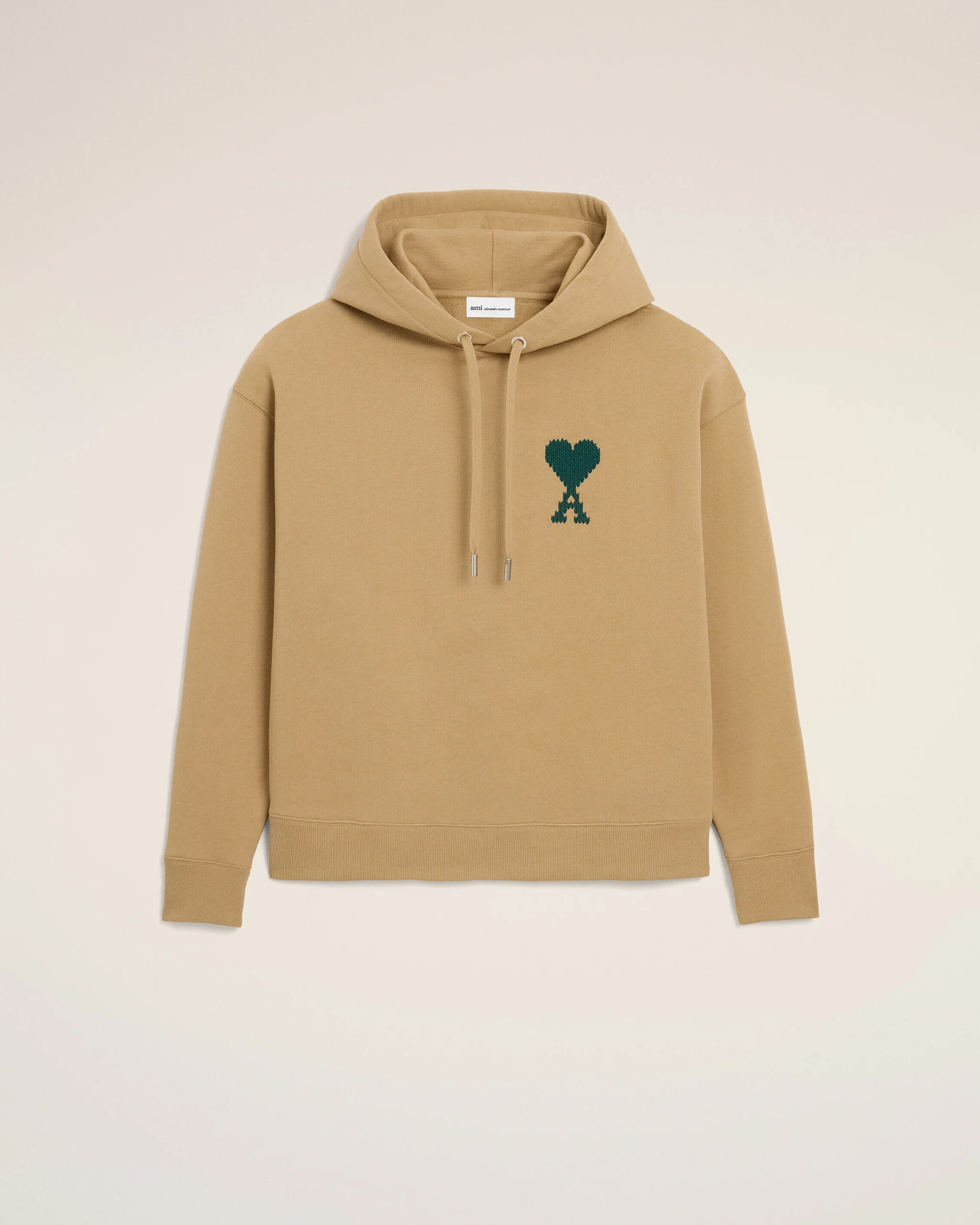
The name itself works on two levels, merging the founder's initials with the French word for "friend" in a clever bit of wordplay. This double meaning turned into a full brand philosophy centered on connection, loyalty, and shared experience rather than exclusivity. A heart-shaped emblem soon became shorthand for that message, appearing on sweatshirts, caps, and accessories worn far beyond Paris. Choosing sentiment over status gave the label a distinct emotional hook that competitors rarely matched. Today, mentioning Ami Paris often brings that heart logo to mind instantly, showing just how effectively a simple concept can travel across borders and cultures.
Building Collections Around Pieces That Actually Get Worn
Instead of chasing dramatic runway statements, the house concentrates on refining garments people reach for constantly, like structured blazers, soft knitwear, and well-cut denim. Materials are chosen for comfort and longevity rather than fleeting shock value, which keeps each season feeling coherent with the last. Customers frequently mention how easily these pieces slot into existing wardrobes without requiring a complete style overhaul. That practicality has become a defining trait rather than an afterthought. Shopping the house today, Ami Paris rewards buyers who prefer investment pieces over disposable trends, offering clothing built to remain relevant well past a single fashion cycle.
From Menswear Roots to a Fully Co-Ed Wardrobe
The label spent its early years focused exclusively on menswear before Mattiussi noticed how many women were already buying and wearing the pieces themselves. Rather than ignore that pattern, he launched a proper womenswear line that kept the same relaxed tailoring while introducing new silhouettes suited to different frames. This shift within Ami Paris felt organic rather than opportunistic, growing directly from real customer behavior instead of a boardroom strategy session. Expanding this way reinforced the label's founding belief that great clothing should not be confined by gender lines. That inclusive instinct remains central to how the brand designs, markets, and presents its collections each season.
Standout Pieces That Define the Label's Look
Certain items have become instantly recognizable, particularly wool overcoats, cotton oxford shirts, and slim-cut trousers that balance formality with genuine day-to-day comfort. The playful heart logo transformed otherwise simple basics into collectible statement pieces sought after by younger shoppers worldwide. What ties these garments together is restraint: no excessive branding, no unnecessary embellishment, just quality construction doing the talking. This minimal approach has aged remarkably well compared to louder, trend-driven competitors. Building an outfit around Ami Paris essentials tends to feel effortless, since the pieces are designed from the outset to mix and layer without much conscious effort.
Strategic Partnerships That Expanded the Brand's Reach
Collaborations with outdoor specialist Moncler, sportswear giant Puma, and casualwear retailer Gap each introduced new textures and functional details while staying true to the label's relaxed silhouette. A notable partnership with rugby star Antoine Dupont pushed the brand into sporting culture, reaching audiences who might never have encountered it through fashion channels alone. Rather than diluting the core identity, these collaborations consistently reinforced it, adding variety without sacrificing recognizability. Careful partner selection has clearly paid dividends for the company over time. Each project under Ami Paris demonstrates how a distinct aesthetic can survive collaboration when the underlying values stay consistent throughout.
Tracking the Brand's Rapid International Expansion
What started as a single showroom presentation has since grown into dozens of boutiques spanning Paris, New York, Tokyo, and Brussels, alongside hundreds of stockists across multiple continents. Reported revenue climbed sharply over recent years, reflecting surging demand for understated luxury among a new generation of shoppers. Flagship openings in major fashion capitals signal continued confidence in the brand's long-term growth trajectory. Despite this scale, leadership has worked to preserve the intimate tone that defined the label's earliest days. Few independent houses manage growth at the pace achieved by Pull Ami Paris while still maintaining a recognizably personal identity throughout their expansion.
Facing Modern Pressure Around Responsible Production
As the label scales internationally, shoppers increasingly expect transparency around sourcing, manufacturing conditions, and overall environmental impact. Industry conversations around accountability have pushed many contemporary houses, including this one, to reconsider supply chains and material choices more carefully. Designing timeless staples rather than disposable trend pieces naturally supports longer product lifespans, reducing unnecessary waste over time. That said, genuine progress on sustainability requires ongoing commitment rather than a single announcement or campaign. Balancing rapid commercial growth with real accountability remains a challenge every ambitious label faces, and this one is no exception as demand keeps climbing.
What Keeps Customers Coming Back Season After Season
Loyalty toward the brand ultimately comes down to consistency, wearability, and a distinctly French sense of ease that rarely feels forced or overdone. Shoppers return because the clothing fits actual routines, from office mornings to weekend errands, rather than existing purely for photographs. The founder's personal narrative, rooted in genuine friendship rather than manufactured branding, continues resonating with audiences tired of impersonal luxury marketing. Visible endorsements from public figures have only amplified organic word-of-mouth recommendations over the years. Choosing Ami Paris increasingly feels less like following a passing trend and more like joining a community built around shared taste, comfort, and quiet confidence.

 Czech
Czech
 Arabic
 French
 Spanish
 Portuguese
 Deutsch
 Turkish
 Dutch
Dutch
 Italiano
 Russian
 Romaian
 Portuguese (Brazil)
 Greek
Greek