


 About SPORTIVO Network
How Seasonal Activity Changes Affect Your Pet's Feeding Requirements
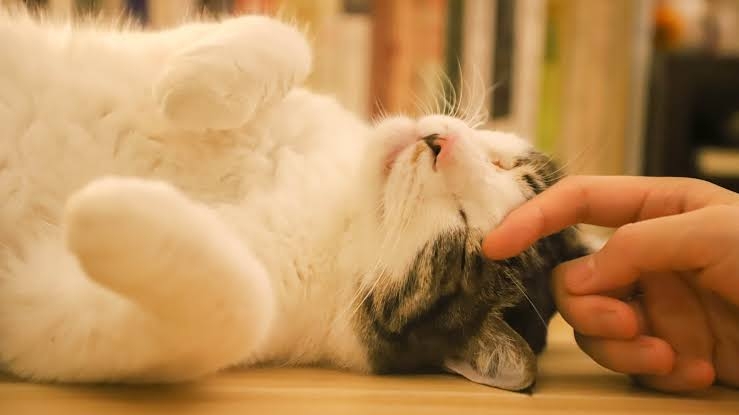
Ever watch your dog on a boiling hot summer afternoon? They usually flop right down on the cold floor and stay put for hours. Fast forward to a crisp autumn morning, and that same dog is practically bouncing off the walls, ready to chase every squirrel in sight.
Our pets react to the weather just like we do. Their daily energy moves up and down whenever the season shifts.
Yet, so many pet parents pour the exact same plastic cup of kibble into the food bowl every single day of the year. But here is the thing. Feeding the same amount of food when your pet's activity drops can cause sneaky weight gain. On the flip side, underfeeding a super active animal leaves them tired, grumpy, and hungry. Tweaking your pet's meal portion to match their seasonal movement is one of the easiest ways to keep them in great shape.
The Simple Rule: Calories In vs. Energy Out
Think of your pet's food like fuel in a gas tank. If you drive your car three hundred miles on a weekend road trip, you have to stop at the gas station and fill it back up. But if that same car sits parked in the driveway all week, the gas stays right where it is.
Your pet's body runs on that exact same principle.
Every bite of food provides calories. Physical movement burns those calories off. When your pet runs around, plays fetch, or trots along on long walks, their body burns through fuel fast. But when they sleep away a lazy afternoon, they barely burn anything. If you keep feeding them heavy, high-calorie meals while they rest, those unused calories turn straight into body fat.
Why Summer Heat Means Smaller Meal Portions
When summer sun rolls in, outdoor exercise gets tough for four-legged friends. Walking on hot asphalt burns sensitive paw pads, so outdoor strolls get cut short. A game of catch in the yard usually ends after five minutes because pets overheat quickly.
Less Exercise Drops Calorie Needs
During warm months, a few physical shifts happen all at once:
- Shorter walks: Exercise sessions get trimmed down to protect pets from heat stroke.
- Longer naps: Animals spend hours sleeping in shade or near fans just to stay comfortable.
- Slower burn: Resting indoors keeps pets cool, but it uses very few calories.
If your pet eats heavy winter portions during a lazy summer, those extra calories pile up fast. That extra weight puts painful pressure on their joints, heart, and lungs. Trimming their food back just a little bit in hot weather keeps their body light, lean, and safe.
Winter Feeding: Indoor Pets vs. Outdoor Pets
Cold weather affects pets in two completely different ways. It really depends on whether your animal spends their time inside or outside.
Outdoor Pets Need Extra Energy
Animals that spend long hours outdoors in chilly weather burn a lot of calories just to stay warm. Their bodies work nonstop to hold a safe internal body temperature. Because of this, active outdoor pets often need ten to twenty percent more food during cold months just to hold their normal weight.
Indoor Pets Need Smaller Servings
Indoor pets usually do the opposite. Short winter days and cool drafts make house pets extra sleepy. They curl up on blankets and snooze the day away. Unless you run around playing active indoor games with them, their daily movement drops. Giving them extra food in winter just because it feels cold outside usually leads to fat gain.
Special Care for House Cats Across the Seasons
Indoor cats stay inside climate-controlled homes, but they still feel the changing seasons. They notice shifts in daylight hours, shedding thick fur in spring and moving less during hot summer stretches.
If you care for felines in warm regions, keeping them hydrated takes extra thought. Picking a nutritious cat food saudi arabia option helps keep your cat's digestive system working smoothly while giving them solid nutrients through hot spells.
For daily feeding routines, hard kibble makes portion tracking really easy. Serving a top-quality dry cat food riyadh formula gives house cats the animal protein they need to protect lean muscle, even when they spend most of the day napping on the couch.
Easy Ways to Tell If Your Pet's Portion Needs a Tweak
Your pet cannot tell you in plain words when their stomach feels too full or when they feel hungry. Luckily, their physical body gives off clear warning signs when food portions do not match their exercise.
Watch out for these everyday clues:
- Hard-to-find ribs: You ought to feel your pet's ribs under a thin layer of fur. If you have to dig your fingers in to find them, your pet is eating too much for their current movement level.
- Poking bones: If your pet's hip bones or spine start sticking out during active seasons, they are burning more fuel than you are putting in the bowl.
- Constant begging: If your pet licks the bowl clean and immediately begs for extra snacks every single day, their meal sizes might be too small for their workload.
- Sudden laziness: A drop in playfulness during mild weather can mean your pet is not getting enough total calories to power their day.
Simple Action Steps for Pet Parents
Adjusting your pet's daily food does not have to be hard work or stressful. Following a few simple habits will help you manage their bowl all year long.
1. Do a Monthly Rib Check by Hand
Don't trust just your eyes. Thick winter coats hide weight shifts easily. Place your hands gently on both sides of your pet's chest once a month. You should feel their ribs under a light touch, and you should see a clear waist behind their ribs when looking down from above.
2. Measure Meals with a Real Cup
Guessing food amounts by eye almost always leads to overfeeding. Always use an actual measuring cup or a small kitchen scale. When cutting back food for a low-activity season, drop portions down by a small amount—about five to ten percent—rather than making huge cuts.
3. Keep Fresh Water Flowing
Water is just as important as solid food. Pets eat less and feel sluggish when they get even slightly dehydrated. Make sure clean, cool water sits nearby at all times, especially during summer.
4. Talk with Your Local Vet
If you plan to switch your pet to a brand-new diet or make big changes to their portions, check in with your vet. They can give you exact calorie goals based on your pet's age, breed, and medical background.
Final Thoughts
Your pet's food needs do not stay the same forever. As outdoor temperatures shift and daily exercise goes up or down, their meal portions should move right along with them.
By checking their body shape every month, measuring meals carefully, and matching food portions to seasonal activity, you protect your pet from obesity and keep their energy steady. Pay attention to how much your pet moves each season, and adjust their bowl so they stay happy and healthy year-round.

 Czech
Czech
 Arabic
 French
 Spanish
 Portuguese
 Deutsch
 Turkish
 Dutch
Dutch
 Italiano
 Russian
 Romaian
 Portuguese (Brazil)
 Greek
Greek