


 About SPORTIVO Network
The Role of Temperature Monitoring in Protecting Food Quality
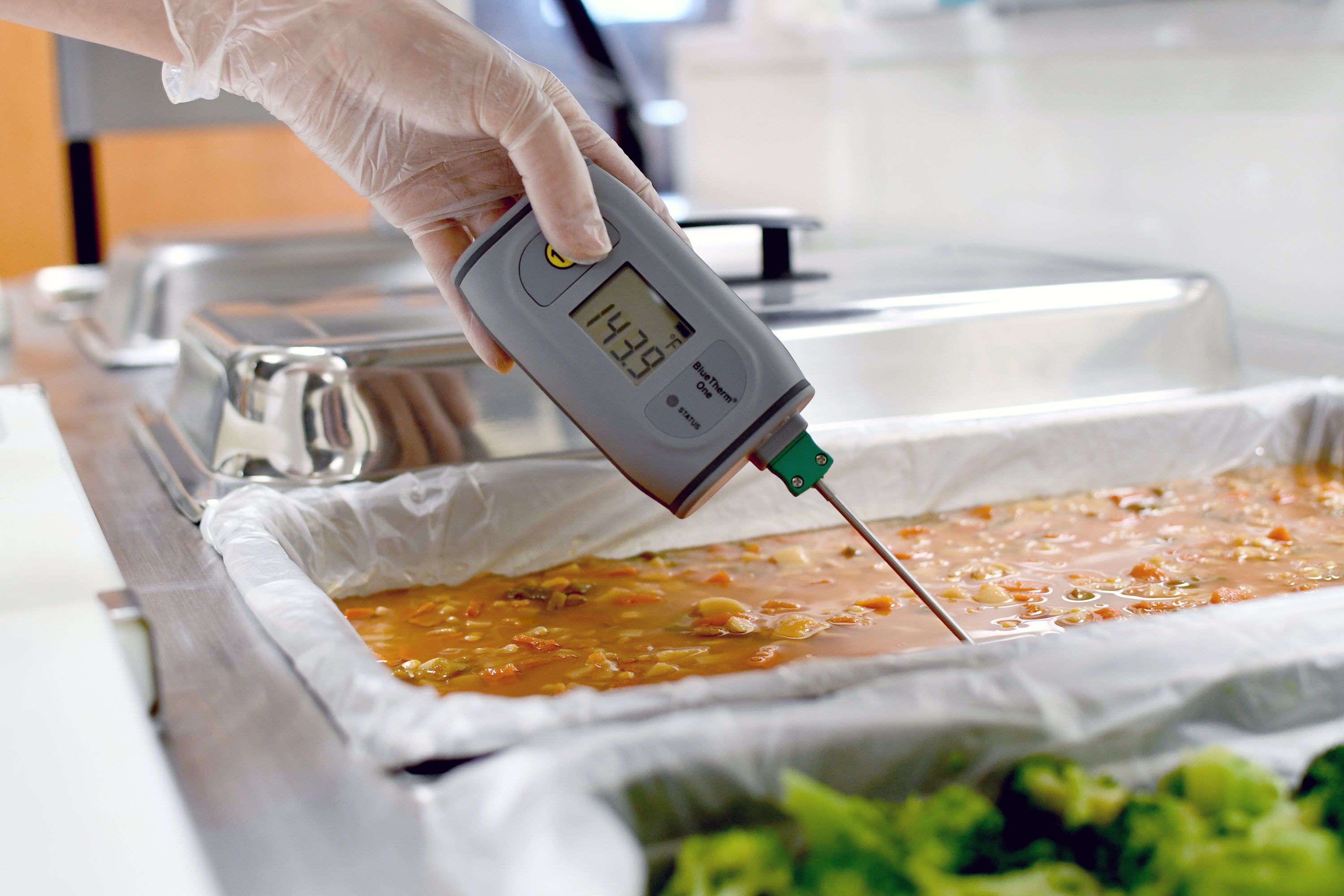
Ever think about how fresh food makes its way to your plate? Tomatoes picked on a farm miles away still taste fresh at dinner. Milk stays good for days after you buy it. This does not happen by luck. It takes constant effort, smart planning, and strict temperature control.
Heat spoils food fast. If meat, dairy, or fresh produce gets warm while moving from place to place, bad bacteria take over. That leads to bad smells, ruined goods, and sick people. Let's look at how checking temperatures keeps our food fresh and safe to eat.
Why Food Needs to Stay Cold
Fresh food carries tiny natural germs. When food sits in warm air, these germs wake up and feed. They multiply quickly and turn good food bad in just a few hours.
Food safety workers talk a lot about the danger zone. That means any temperature between 40°F and 140°F (4°C to 60°C). When fresh food sits inside this range, harmful bugs like Salmonella and E. coli go crazy. Their numbers can double every twenty minutes.
What Happens When Things Get Warm?
When cooling fails, problems pile up fast:
- Quick spoilage: Milk turns sour, meat goes dark, and fruit turns soft and mushy.
- Health dangers: Germs reach high levels that make people sick.
- Lost money: Stores have to throw out tons of ruined stock.
- Ruined names: One bad meal can ruin a business's name for good.
Understanding the Cold Chain
The cold chain is just a line of cold spaces. It stretches from the farm right to your local store display case. Think of it like a team running a relay race. Every runner holds a cold box. If one runner drops it, the food inside gets warm and spoils.
Steps in the Cold Chain
Keeping food chilled takes work at every turn:
- Farm cooling: Farmers chill fresh crops and meat right after harvest to strip off field heat.
- Cold trucks: Big trucks with built-in fridges carry goods down long highways.
- Storage hubs: Products sit in cold warehouses while waiting for local store orders.
- Store fridges: Supermarkets put items straight into chilled display cases for shoppers.
Smart Tools Used Today
Years ago, workers walked through cold rooms with clipboards and wrote down temperatures on paper twice a day. That old way caused big trouble. If a fridge broke down at midnight, no one knew until morning. By then, thousands of dollars in food was ruined.
Today, simple digital tools handle tracking automatically and keep managers posted day and night.
Wireless Sensors
Small battery-powered sensors sit inside cold rooms, shipping boxes, and trucks. They check air temperature and moisture every few minutes. They send that info straight to phone apps so teams can check conditions from anywhere.
Quick Phone Alerts
If a truck fridge stops working or a warehouse door stays open by accident, smart systems send quick text alerts. Workers can jump in, close the door, or fix the cooling unit before any food actually goes bad.
Digital Trip Logs
When a truck arrives at a warehouse dock, workers check its digital log. The logger shows a full history of the trip's temperature. If the food stayed cold the whole time, the manager accepts the order without worry.
Keeping Things Cold in Hot Places
Keeping food cold in hot parts of the world is a real test. When outside heat rises past 100°F (38°C), truck fridges must work twice as hard to keep cold air inside.
Moving milk, chicken, and frozen items across warm desert roads takes heavy-duty cooling gear and strict rules.
Working with trusted local supply partners is key here. For example, hiring an experienced food distributor in saudi arabia helps make sure imported shipments stay in cold rooms without breaking safety rules.
When ordering large shipments for hotel chains or big supermarkets, picking a Top food distributor KSA ensures that cold chain steps follow local health laws and international rules.
Common Weak Spots in the Chain
Even with modern sensors and smart software, cold chains break down now and then. Spotting where mistakes happen helps companies fix problems fast.
Broken Gear and Power Cuts
Truck engines break down, belts snap, and power grids flicker during hot summer days. Good shipping companies keep backup power generators ready and check their fridges often to stop sudden heat spikes.
Delays on Loading Docks
Cold chains break most often while workers move boxes between trucks and cold rooms. If boxes sit on warm docks while drivers fill out paperwork, the food inside warms up fast. Fast loading habits matter just as much as good fridges.
Simple Mistakes
Sometimes workers forget to shut freezer doors tight, or they forget to check sensor readings before driving off. Good staff training helps stop these costly mistakes.
Practical Rules for Food Businesses
Any business that handles fresh food can protect its stock by following a few simple habits:
- Test your tools: Check digital thermometers often to ensure they read temperatures right.
- Leave room for air: Never pack cold rooms so tight that cold air cannot move around boxes.
- Train your team: Make sure all workers know about the danger zone and know what to do when alerts ring.
- Check new shipments: Always check food temperatures before signing receipts at the dock.
Summary
Checking temperatures might seem like a small detail, but it affects all of us every day. It protects our health, cuts down on wasted food, and ensures the food on our tables tastes fresh.
By using wireless sensors, setting up quick phone alerts, and training workers well, food companies protect their goods from farm to table. Keeping an eye on temperature is smart, simple business, and it stays the best way to guard food quality every step of the way.

 Czech
Czech
 Arabic
 French
 Spanish
 Portuguese
 Deutsch
 Turkish
 Dutch
Dutch
 Italiano
 Russian
 Romaian
 Portuguese (Brazil)
 Greek
Greek