


 About SPORTIVO Network
Seiko: Inside the Watchmaker That Changed How the World Tells Time
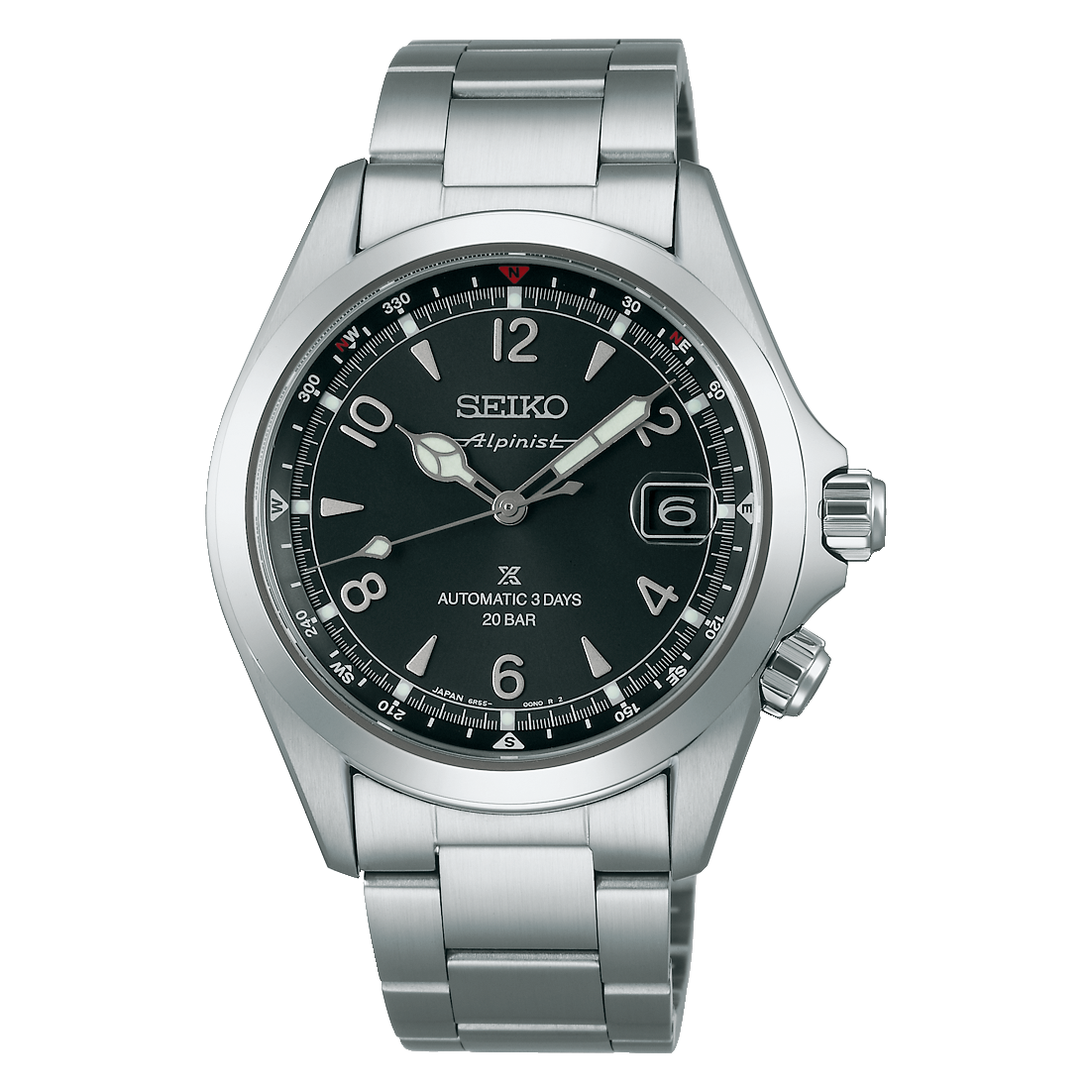
Few companies can claim to have fundamentally altered an entire industry, but Seiko is one of them. More than a century after its founding, the Japanese watchmaker remains one of the most influential and widely respected names in horology, admired equally by casual wearers, serious collectors, and rival watchmakers. Understanding what makes Seiko unique means looking beyond the watches themselves and into the philosophy, engineering, and history that built the brand.
From a Tokyo Repair Shop to a Global Powerhouse
Seiko's origins are surprisingly modest. In 1881, a 21-year-old Kintaro Hattori opened a small shop in Tokyo's Ginza district selling and repairing clocks and watches. Within a decade, Hattori had expanded into manufacturing, founding a factory called Seikosha to produce clocks domestically rather than relying on imports. This decision to build rather than import would become a defining characteristic of the company for generations to come.
By 1913, Seiko had produced Japan's first wristwatch, the Laurel. It was a modest but symbolically important achievement, marking Japan's entry into a field that had, until then, been dominated almost entirely by European manufacturers. Over the following decades, the company steadily expanded its expertise, surviving economic upheaval, wartime disruption, and fierce international competition to emerge as one of the twentieth century's most important watchmakers.
The Astron and the Quartz Revolution
If there's one moment that defines Seiko's place in watchmaking history, it's the release of the Astron in December 1969. At the time, virtually every watch in the world relied on a mechanical movement, a delicate system of springs, gears, and escapements that had been refined over centuries but remained inherently limited in accuracy. Seiko's Astron changed that overnight by introducing a quartz movement to the wristwatch, using a battery-powered oscillating crystal to regulate timekeeping with far greater precision than mechanical alternatives.
The impact was seismic. Quartz technology was not only more accurate, but also cheaper and easier to mass-produce, which meant reliable, affordable watches suddenly became accessible to millions of people who previously couldn't afford precision timekeeping. This shift devastated much of the traditional Swiss watch industry during what historians now call the "Quartz Crisis," as many manufacturers unable to adapt to the new technology went out of business. Seiko, meanwhile, had permanently reshaped what the world expected from a wristwatch.
Not Just Quartz: Seiko's Mechanical Mastery
It would be a mistake to think of Seiko purely as a quartz innovator. In fact, the brand has continued to push the boundaries of traditional mechanical watchmaking, and its achievements in this space are just as significant. Grand Seiko, originally launched in 1960 and spun off as an independent luxury brand in 2017, is widely regarded by collectors and industry experts as rivaling, and in some cases surpassing, the finest Swiss manufacturers in terms of finishing quality and mechanical precision.
One of Grand Seiko's most celebrated innovations is Spring Drive, a hybrid movement technology that took nearly three decades to perfect. Spring Drive combines the mechanical energy source of a traditional automatic watch with an electronic regulator, resulting in the smooth, continuous sweep of a mechanical hand paired with quartz-level accuracy. It represents a distinctly Seiko approach to problem-solving: rather than treating mechanical and quartz technology as opposing philosophies, the company found a way to combine their strengths.
A Watch for Every Purpose
Seiko's product range is remarkably broad, spanning nearly every category of watch imaginable. The Seiko 5 collection offers approachable, affordable automatic watches that have introduced countless newcomers to mechanical watchmaking. Seiko Prospex, the brand's professional sports and dive watch line, has earned a global reputation for durability, having accompanied divers, mountaineers, and scientists into some of the most extreme environments on Earth. Seiko Presage, meanwhile, showcases the brand's more artistic side, drawing on traditional Japanese craftsmanship techniques such as enamel work and textile-inspired dial patterns to create elegant dress watches.
This breadth allows Seiko to serve an unusually wide range of customers, from first-time watch buyers to seasoned collectors seeking a serious mechanical investment, all under one brand umbrella.
A Culture of Independent Innovation
What ultimately distinguishes Seiko from many of its competitors is a consistent willingness to solve problems in its own way, rather than simply following established industry conventions. From building Japan's first domestically produced wristwatch, to inventing the quartz movement, to developing entirely new hybrid technologies like Spring Drive, Seiko has repeatedly demonstrated a preference for original engineering over imitation.
This philosophy has also made Seiko a favorite among watch enthusiasts who appreciate transparency and technical substance. The brand is known for being relatively forthcoming about its manufacturing processes and movement specifications, which has helped cultivate a passionate, well-informed community of collectors and hobbyists worldwide.
Conclusion
Seiko's story is ultimately one of quiet, persistent innovation. While flashier marketing campaigns and centuries-old Swiss heritage often dominate conversations about luxury watchmaking, Seiko has built its reputation the harder way, through genuine technical achievement and consistent quality across generations. From the revolutionary Astron to the artistry of Grand Seiko, Seiko continues to prove that meaningful innovation and accessible craftsmanship are not mutually exclusive, a legacy that keeps the brand firmly at the center of watchmaking's ongoing evolution.

 Czech
Czech
 Arabic
 French
 Spanish
 Portuguese
 Deutsch
 Turkish
 Dutch
Dutch
 Italiano
 Russian
 Romaian
 Portuguese (Brazil)
 Greek
Greek