


 About SPORTIVO Network
CPVC Butterfly Valve for Chemical Plant Upgrade Projects
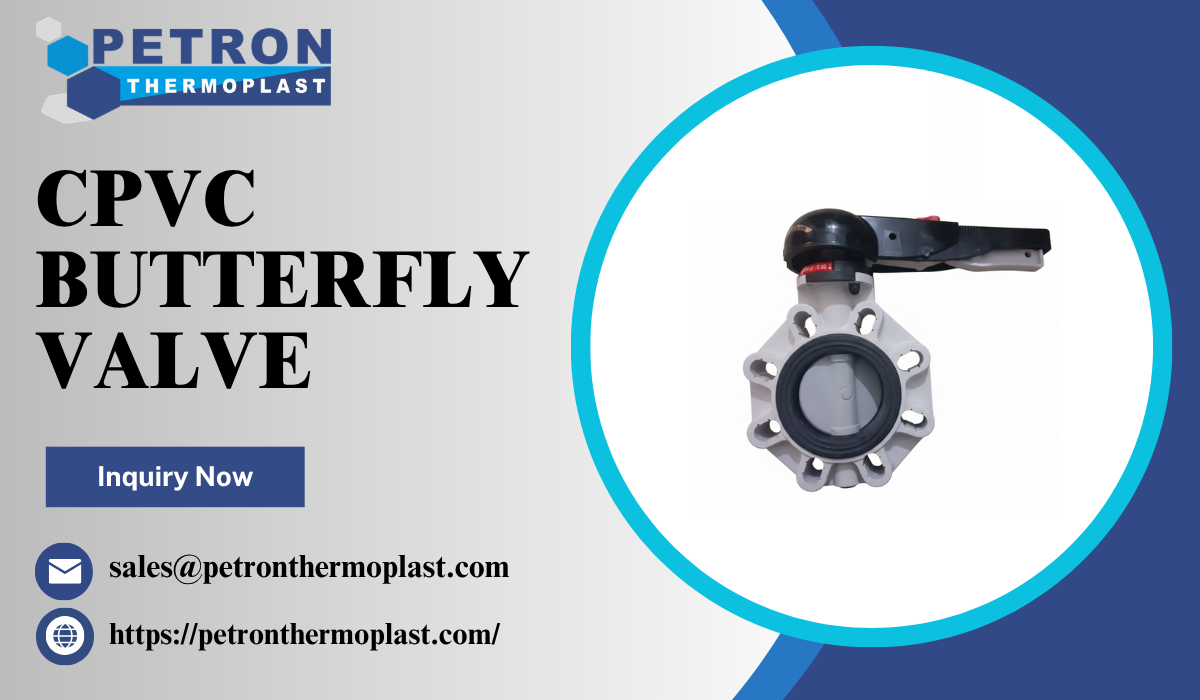
A CPVC Butterfly Valve for Chemical Plant Upgrade Projects is a practical flow control solution for modernizing industrial piping systems, replacing aging valves, and improving the reliability of chemical handling operations. Manufactured using chlorinated polyvinyl chloride (CPVC), these thermoplastic butterfly valves are designed for compatible applications where corrosion resistance, lightweight construction, compact installation, and efficient on-off flow isolation are required.
Chemical plants operate complex piping networks that transport process chemicals, acids, alkalis, treated water, wastewater, and other industrial fluids. Over time, existing valve systems may become outdated, suffer from corrosion, require frequent maintenance, or no longer meet the operational requirements of an upgraded production facility. Replacing conventional valves with appropriately selected CPVC butterfly valves can be part of a broader plant modernization strategy.
A successful chemical plant upgrade requires more than simply replacing an old valve with a new one. Engineers must evaluate the process fluid, pressure, temperature, pipeline size, connection arrangement, operating frequency, and chemical compatibility of all valve components. When these factors are correctly assessed, CPVC butterfly valves can provide reliable flow isolation and contribute to efficient industrial piping performance.
What Is a CPVC Butterfly Valve?
A CPVC butterfly valve is a quarter-turn valve designed to control and isolate fluid flow in a piping system. The valve uses a circular disc positioned inside the pipeline. Rotating the disc changes the valve from an open position to a closed position.
The basic operating principle includes:
- Open position: The disc is aligned with the fluid flow path.
- Closed position: The disc rotates across the pipeline to stop flow.
- Quarter-turn operation: The valve can move between open and closed positions with approximately 90 degrees of rotation.
Why Upgrade Chemical Plant Valves?
Industrial valves are exposed to continuous mechanical and chemical operating conditions. Over time, an existing valve may become unsuitable for the plant's current requirements.
Common reasons for upgrading valves include:
- Corrosion or material degradation
- Frequent leakage
- Difficult manual operation
- High maintenance requirements
- Outdated valve technology
- Changes in process chemicals
- Expansion of production capacity
- Pipeline modification
- Automation requirements
- Replacement of obsolete components
- Improved process isolation requirements
Corrosion Resistance for Chemical Plant Applications
Chemical exposure is one of the most important considerations when selecting valves for process industries. Conventional metal valves may be susceptible to corrosion depending on the chemical composition, concentration, temperature, and exposure duration.
CPVC is a thermoplastic material that provides resistance to corrosion in many compatible chemical environments. This makes it suitable for selected chemical processing and industrial fluid handling applications.
CPVC butterfly valves may be considered for systems handling compatible:
- Chemical solutions
- Acids
- Alkalis
- Process water
- Treated water
- Wastewater
- Industrial effluents
- Chemical dosing fluids
CPVC Butterfly Valve for Plant Modernization
Plant modernization projects often involve replacing individual components without completely rebuilding the entire piping network. A butterfly valve can be a practical option when space, weight, and operational efficiency are important considerations.
The compact design of a butterfly valve can simplify installation in existing industrial facilities. This is particularly useful when working within restricted equipment areas or congested pipe racks.
The relatively lightweight construction of thermoplastic valves can also make transportation and handling easier. Compared with many conventional metal valve alternatives, CPVC valves may reduce the weight associated with certain piping components.
During a plant upgrade, engineers should verify the dimensions and connection requirements of the existing piping system before selecting replacement valves. Proper alignment is essential to prevent mechanical stress and ensure reliable operation.
Reliable On-Off Flow Isolation
One of the primary applications of a CPVC butterfly valve is on-off flow isolation. Chemical plants contain multiple process sections that may need to be isolated during routine operation, maintenance, inspection, or emergency shutdown procedures.
Butterfly valves can be installed to isolate:
- Chemical storage tanks
- Pumps
- Process equipment
- Treatment units
- Filtration systems
- Chemical dosing systems
- Transfer pipelines
- Utility systems
Manual and Automated Valve Upgrades
Modern chemical plants increasingly use automation to improve process control and reduce manual intervention. A valve replacement project can provide an opportunity to upgrade manual valves to automated systems where required.
Manual Operation
Manual CPVC butterfly valves can be operated using handles or gear mechanisms. They may be suitable for pipelines that require occasional isolation.
Automated Operation
Where remote or automatic control is required, the butterfly valve can be equipped with a suitable actuator.
Automated valve systems can be integrated with:
- PLC control systems
- SCADA systems
- Process automation platforms
- Remote monitoring systems
- Automated chemical dosing systems
- Industrial control panels
Applications During Chemical Plant Upgrades
CPVC butterfly valves can be considered for several areas of a chemical plant modernization project.
Chemical Transfer Lines
During pipeline replacement or modification, CPVC butterfly valves may be installed in compatible chemical transfer lines to provide reliable isolation.
Storage Tank Systems
Chemical storage tanks require valves for filling, discharge, transfer, and maintenance isolation. A suitable CPVC butterfly valve can be incorporated into compatible tank piping systems.
Water Treatment Systems
Chemical plants often operate water treatment systems for process water and utility requirements. CPVC butterfly valves can be considered for compatible water and chemical treatment applications.
Effluent Treatment Plants
Upgraded effluent treatment systems may require corrosion-resistant valves for compatible wastewater and chemical handling applications.
Chemical Dosing Systems
Chemical dosing lines require dependable isolation and flow management. The valve and sealing materials should be selected according to the chemical being dosed.
Important Factors for Valve Selection
Selecting the correct CPVC butterfly valve is critical to achieving reliable performance after a plant upgrade.
Chemical Compatibility
The valve body and all wetted components must be compatible with the process medium.
Pressure Rating
The valve should be capable of handling the maximum operating pressure and relevant system conditions.
Temperature
The operating temperature must remain within the valve manufacturer's specified limits.
Pipeline Size
The valve size should match the existing or newly designed pipeline and process requirements.
Connection Configuration
The valve's connection arrangement must be compatible with the existing piping system.
Sealing Materials
Liners, seats, and seals should be selected according to chemical exposure and operating temperature.
Operating Frequency
If the valve will be operated frequently, the design and actuator should be selected to withstand the expected number of operating cycles.
Installation Considerations During Plant Upgrades
Installation quality plays an important role in long-term valve performance. Before replacing an existing valve, the pipeline should be inspected for alignment, support conditions, and connection compatibility.
The installation process should include:
- Verifying the valve size and specifications.
- Confirming chemical compatibility.
- Inspecting the existing piping system.
- Cleaning the pipeline before installation.
- Ensuring correct alignment.
- Following the manufacturer's installation instructions.
- Checking all connections for leakage.
- Testing the valve before commissioning.
CPVC Butterfly Valve for Chemical Plant Upgrade Projects
A CPVC Butterfly Valve for Chemical Plant Upgrade Projects can provide an effective solution for modernizing compatible industrial piping systems. Its corrosion-resistant thermoplastic construction, compact design, lightweight characteristics, and quarter-turn operation make it suitable for various chemical plant applications.
From chemical transfer lines and storage tank systems to water treatment and effluent handling, CPVC butterfly valves can support reliable pipeline isolation when properly selected and installed. They can also be configured for manual or automated operation to meet different plant modernization requirements.
The success of a valve upgrade depends on proper engineering evaluation. Chemical compatibility, pressure, temperature, pipeline size, sealing materials, connection type, and operating conditions should all be considered before selecting a replacement valve.
For industrial chemical plant modernization and piping upgrade projects, Petron Thermoplast provides thermoplastic valve and piping solutions designed for a range of compatible fluid handling applications. By choosing the right CPVC butterfly valve based on actual process requirements, chemical plants can improve pipeline isolation, support efficient maintenance, and enhance the reliability of their upgraded flow control systems.

 Czech
Czech
 Arabic
 French
 Spanish
 Portuguese
 Deutsch
 Turkish
 Dutch
Dutch
 Italiano
 Russian
 Romaian
 Portuguese (Brazil)
 Greek
Greek