


 About SPORTIVO Network
Product Registration Dubai: The Ultimate 2026 Guide to UAE Product Approval

If you’re planning to sell a physical product in the UAE - whether it’s cosmetics, food, consumer electronics, or general retail goods - there’s a step many first-time business owners underestimate: product registration. It’s not optional, and skipping it can mean your products never legally reach store shelves or online marketplaces in the first place.
This guide breaks down what product registration in Dubai actually involves, why it matters, and how to get it right the first time, explained in simple, easy-to-follow language.
What Is Product Registration in Dubai?
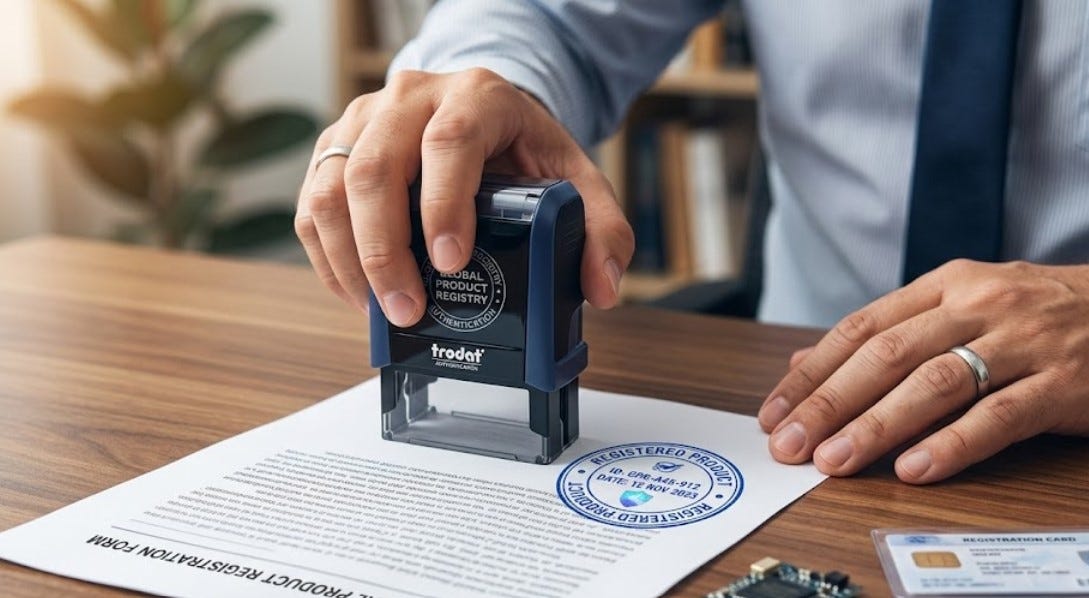
Product registration is the official approval process required before certain goods can be legally imported, distributed, or sold within the UAE market. It’s primarily overseen by Dubai Municipality, which reviews products against safety, quality, composition, and labeling standards before granting approval.
The goal isn’t just bureaucratic box-ticking - it protects consumers from unsafe or non-compliant goods, while also giving registered businesses a credibility advantage with retailers, distributors, and online marketplaces that often require proof of registration before listing a product.
Which Products Actually Need Registration?
Not every product category requires the same level of scrutiny, but many common categories are subject to mandatory registration, including:
-
Cosmetics and personal care items - skincare, makeup, haircare, and similar products
-
Food products - whether locally manufactured or imported
-
Pharmaceutical and healthcare products - subject to additional regulatory oversight
-
General consumer goods - including many household and retail items
Each category typically has its own dedicated approval pathway and documentation requirements, so it’s important to identify exactly which category your product falls under before starting the process.
Step-by-Step: How Product Registration Works

1. Confirm your business eligibility Before applying, your company needs a valid UAE trade license that specifically covers the relevant business activity - whether that’s trading, distribution, or manufacturing for your product category.
2. Identify the correct registration category Different product types follow different regulatory pathways, so confirming the right category early prevents wasted time on an incorrect application.
3. Prepare your documentation This generally includes product details, labeling information (often required in both Arabic and English), ingredient or composition data where applicable, and manufacturer certificates.
4. Submit your application through the relevant portal Most product categories are submitted through Dubai Municipality’s dedicated online systems, where applications, documents, and supporting files are uploaded for review.
5. Respond to any additional requests promptly Authorities may request clarification, additional lab testing, or further documentation during the review - responding quickly helps avoid unnecessary delays.
6. Receive your registration certificate Once approved, your product receives an official registration certificate, which is typically required for customs clearance, retail listings, and continued market access.
7. Track renewal timelines Registration certificates are usually valid for a set period, after which renewal is required to keep your product legally compliant for continued sale.
Why Product Registration Cost in Dubai Varies So Much
One of the most common questions business owners ask is about product registration cost in dubai - and the honest answer is that it depends heavily on your specific product category, the number of products being registered, and whether additional testing or documentation is required.
A single cosmetic item, for example, generally involves a different cost structure than a pharmaceutical product requiring extensive safety and efficacy testing. Businesses registering multiple products across different categories should expect costs to scale accordingly, rather than assuming a flat, one-size-fits-all fee.
Should You Use a Product Registration Agent in Dubai?
Given how much documentation, category-specific requirements, and portal navigation is involved, many businesses choose to work with a product registration agent Dubai rather than managing the process independently. A good agent doesn’t just submit paperwork on your behalf - they help identify the correct category from the start, prepare compliant labeling and documentation, and respond efficiently to any authority queries during review.
This becomes especially valuable for businesses registering multiple products across different categories, where even small documentation errors can lead to significant delays across an entire product line.
Common Mistakes That Delay Approval
-
Applying under the wrong product category due to unclear classification
-
Submitting incomplete or incorrectly formatted labeling documentation
-
Assuming free zone companies can register directly without a local distributor arrangement, when this isn’t always the case
-
Underestimating timelines, especially for categories requiring additional testing
-
Letting registration certificates lapse without planning for renewal in advance
Why Choose Takween Advisory
Navigating product registration in Dubai involves more than just filling out an online form - it requires understanding which category your product genuinely falls under, preparing documentation that meets exact labeling and compliance standards, and knowing how to respond effectively when authorities request additional information. This is precisely where Takween Advisory adds real value. With hands-on experience guiding businesses through registration across multiple product categories, the team helps identify the correct regulatory pathway from the outset, prepares accurate and complete documentation, and manages communication with the relevant authorities on your behalf. The result is a smoother, faster path to approval - allowing business owners to focus on launching and growing their product line, rather than getting caught up in administrative back-and-forth.
Tips for a Smoother Registration Process
-
Confirm your product category and trade license alignment before starting any application
-
Prepare bilingual labeling (Arabic and English) in advance, since this is a common requirement
-
Build in extra time for categories that may require lab testing
-
Keep digital copies of every submitted document and certificate for future reference
-
Track renewal deadlines well ahead of expiry to avoid a lapse in compliance
Frequently Asked Questions
1. What is product registration in Dubai? It’s the mandatory approval process, primarily overseen by Dubai Municipality, that confirms a product meets UAE safety, quality, and labeling standards before it can be legally sold or distributed.
2. Which products need registration in the UAE? Common categories include cosmetics, food products, pharmaceuticals, and many general consumer goods, though specific requirements vary by product type.
3. How long does product registration typically take? Timelines vary depending on the product category and documentation accuracy, with some categories processed within a few weeks and others requiring additional review time for testing.
4. What affects product registration cost in Dubai the most? The product category, number of products being registered, and whether additional testing or documentation is required all significantly influence the overall cost.
5. Do I need a product registration agent in Dubai? It’s not mandatory, but many businesses choose to work with an experienced agent to avoid category misclassification, documentation errors, and unnecessary delays.
6. Can free zone companies register products directly? In many cases, free zone companies register products through a local distributor or representative, depending on the specific product category and regulatory requirements.
Conclusion
Product registration in Dubai is a mandatory step that protects both consumers and businesses, ensuring products meet the UAE’s safety, quality, and labeling standards before reaching the market. While the process can feel detailed - especially for businesses managing multiple product categories - breaking it down into clear steps makes it far more manageable.
Whether you choose to handle registration independently or work with an experienced partner such as Takween Advisory, taking the time to prepare accurate documentation and understand your specific category requirements is the key to a smooth, delay-free approval process.

 Czech
Czech
 Arabic
 French
 Spanish
 Portuguese
 Deutsch
 Turkish
 Dutch
Dutch
 Italiano
 Russian
 Romaian
 Portuguese (Brazil)
 Greek
Greek