


 About SPORTIVO Network
VPN Server Locations: A Key Part of a Reliable Connection
Every VPN service relies on a network of servers that securely transfer internet traffic between users and online services. Although privacy features often receive the most attention, the server infrastructure is equally important. The number of available locations, their geographic distribution, and the ability to switch between them all contribute to the overall user experience.
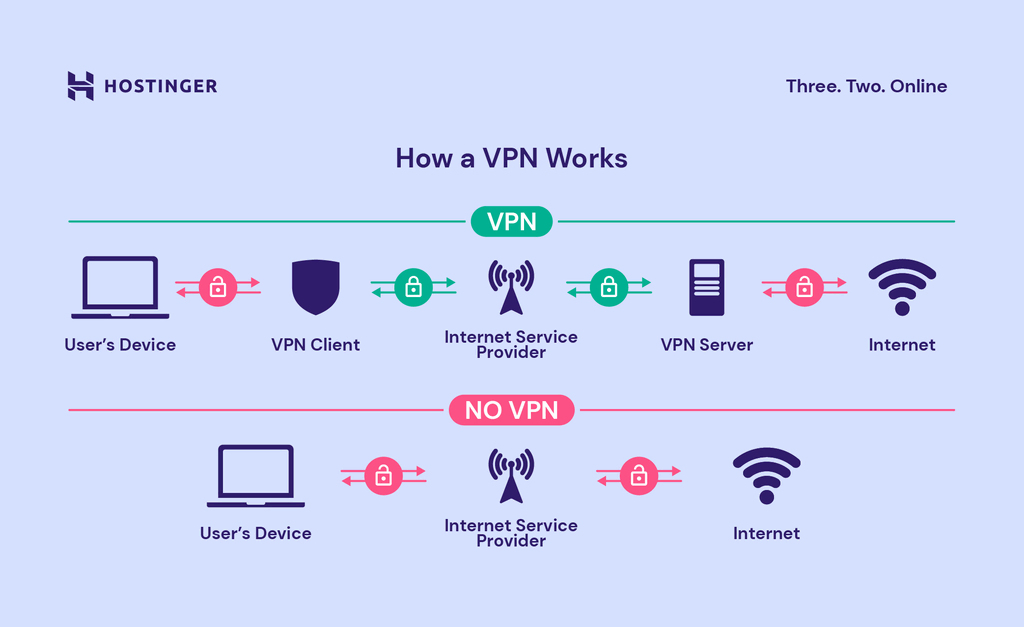
How a VPN Server Works
When a VPN connection is established, internet traffic is encrypted and sent through a selected server before reaching its destination. This creates a secure communication channel while allowing users to choose where their connection appears to originate.
Because servers are available in different countries, users can select the location that best matches their current needs.
The Importance of Server Availability
A large server network provides flexibility that can benefit many types of internet users.
Some of the advantages include:
- Access to a wider selection of regions.
- More nearby servers for reduced latency.
- Better distribution of network traffic.
- Convenient alternatives if one server becomes unavailable.
- Greater flexibility for international travel.
Having multiple servers within the same country can also improve consistency by balancing user connections across the network.
Selecting the Right Location
There is no single location that is ideal for every situation.
For routine browsing and online communication, nearby servers often deliver faster response times because data travels a shorter distance. Users performing different tasks may experiment with several locations to determine which provides the most stable performance.
The ability to switch servers quickly allows users to respond to changing network conditions without making major adjustments.
Performance Depends on More Than Geography
Although distance is important, several additional factors influence VPN performance.
These include server capacity, internet provider routing, local Wi-Fi quality, available bandwidth, and temporary network congestion. Even two nearby servers may deliver different results depending on current demand.
Testing multiple locations is often the simplest way to identify the best connection.
Supporting Modern Digital Activities
People use VPN connections for many everyday tasks.
Streaming media, browsing websites, participating in virtual meetings, synchronizing cloud storage, and accessing online services all require stable internet connectivity. Because each activity places different demands on the network, having multiple server options provides additional flexibility.
A well-balanced server network allows users to choose connections that suit their specific requirements.
Privacy Through Secure Connections
VPN servers encrypt transmitted data before it leaves the user's device. This encryption helps reduce exposure while using home internet connections as well as public wireless networks.
Even with encrypted communication, maintaining software updates, using unique passwords, and protecting online accounts remain important elements of digital security.
Benefits of a Global Network
A server network that spans multiple regions allows users to maintain secure connections from different parts of the world. Whether connecting from home, working remotely, or traveling, users can choose locations that offer a suitable balance between stability and responsiveness.
The ability to move between servers also helps maintain reliable connectivity if one location experiences temporary performance issues.
Evaluating a Server Network
When reviewing a VPN service, users often look beyond the total number of servers. Geographic coverage, regional diversity, connection stability, and ease of switching between locations all contribute to the overall quality of the network.
Considering these factors provides a more complete understanding of how a VPN may perform under different circumstances.
Conclusion
A VPN server list https://toggle.org/servers is much more than a directory of countries. It represents the infrastructure that supports secure, flexible, and reliable internet connections. By understanding how server locations affect speed, stability, and connectivity, users can make informed choices and select the servers that best match their everyday online activities.

 Czech
Czech
 Arabic
 French
 Spanish
 Portuguese
 Deutsch
 Turkish
 Dutch
Dutch
 Italiano
 Russian
 Romaian
 Portuguese (Brazil)
 Greek
Greek