


 About SPORTIVO Network
Resin 3D Printer: A Complete Guide to High-Detail 3D Printing
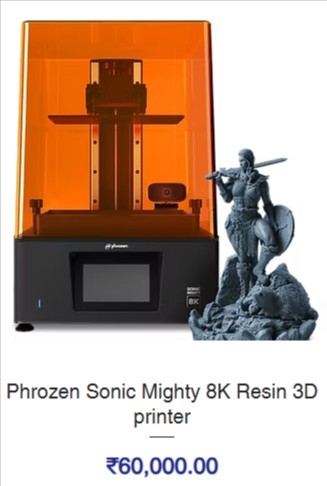
A Resin 3D printer is an advanced additive manufacturing solution designed for producing highly detailed objects with smooth surface finishes and excellent precision. Unlike filament-based 3D printing, which uses plastic filament, resin printing works with liquid photopolymer material that is cured layer by layer using a light source.
This technology has become increasingly popular among designers, engineers, hobbyists, artists, jewellers, and professionals who require intricate models and accurate prototypes. Whether you are creating miniatures, product prototypes, artistic models, or detailed components, understanding how resin printing works can help you decide whether it is suitable for your needs.
How Does a Resin 3D Printer Work?
The printing process begins with a digital 3D model created using computer-aided design software or another compatible application. The model is prepared using specialised slicing software, which divides the object into hundreds or thousands of thin layers.
During printing, a controlled light source selectively cures the liquid resin according to the shape of each layer. The platform moves gradually as the object is built layer by layer.
Once printing is complete, the model is removed from the machine and generally requires post-processing. This may involve washing the object to remove uncured resin and then curing it further to achieve the required material properties.
The complete workflow is therefore more than just printing. Material selection, printer settings, washing, curing, and safe handling all contribute to the final result.
Why Choose Resin 3D Printing?
One of the main reasons users choose resin printing is the level of detail it can provide.
The technology is particularly useful when models include small features, intricate textures, fine lettering, or complex shapes. Resin printing can also produce smooth surfaces that may require less finishing compared with some other printing methods.
For designers and professionals, this can make the technology valuable for creating accurate visual prototypes and detailed models.
Applications of Resin Printing
Resin-based additive manufacturing has applications across several industries.
Miniatures and Figurines
Hobbyists and artists often use resin printing to create detailed miniatures and figurines. Small facial features, textures, and decorative elements can be reproduced with a high level of precision.
Product Prototyping
Designers can use resin printing to create prototypes before moving towards final manufacturing. Physical prototypes allow teams to evaluate the shape, appearance, and proportions of a design.
Jewellery Design
Detailed resin printing can be useful in jewellery design and prototyping. Complex patterns and intricate shapes can be produced from digital designs for further development.
Engineering Models
Professionals may use resin printing for detailed components and visual models where precision is important.
Creative Projects
Artists, makers, and hobbyists can explore unique designs and create customised objects that would be difficult to produce using traditional techniques.
Choosing the Right Resin
The material used in printing plays an important role in determining the final characteristics of a model.
Different resin formulations are available for different applications. Standard resin may be suitable for general-purpose models, while specialised formulations can offer properties such as increased toughness, flexibility, durability, or high detail.
Before selecting a material, consider how the finished object will be used.
A decorative model may have different requirements from a functional prototype. Similarly, a miniature may prioritise fine detail, while an engineering component may require greater durability.
Always check the printer manufacturer's recommendations to ensure that the selected material is compatible with your equipment.
Understanding Resolution
Resolution is an important factor when evaluating a resin printer.
Higher resolution can allow a machine to reproduce smaller details more accurately. However, the final print quality is influenced by several factors, including printer settings, material characteristics, model orientation, support placement, and post-processing.
For this reason, it is important to consider the complete printing workflow rather than focusing only on a single technical specification.
Post-Processing Requirements
One of the key differences between resin and filament printing is the post-processing involved.
After printing, the model generally needs to be cleaned to remove uncured resin. It may then require additional curing to reach its desired properties.
Depending on the model, supports may also need to be carefully removed.
Users should have an appropriate workspace for these processes and follow the manufacturer's recommendations for handling and disposing of materials.
Safety and Proper Handling
Liquid resin should be handled responsibly.
Users should follow safety instructions provided by the material and equipment manufacturers. Appropriate protective equipment and suitable ventilation may be required depending on the specific products being used.
It is also important to store resin correctly and protect it from unsuitable environmental conditions.
Following proper procedures can help create a safer and more consistent printing environment.
Resin Printing for Professionals
Businesses can benefit from resin printing when developing detailed prototypes or visual models.
The ability to quickly produce a physical representation of a digital design can help teams identify issues and make changes earlier in the development process.
This can support faster design iterations and reduce the need to rely entirely on traditional prototyping methods.
For professionals working with intricate designs, resin printing can provide a valuable combination of detail, precision, and flexibility.
Is Resin Printing Right for You?
A resin-based printer may be an excellent choice if your projects require detailed models, smooth surfaces, or intricate designs.
However, it may not be suitable for every application.
If you need to produce very large functional components or require specific mechanical properties, another printing technology may be more appropriate.
The best solution depends on your application, expected print volume, required detail, material preferences, and available workspace.
Explore Resin Printing Solutions with Hydrotech
Hydrotech provides 3D printing solutions for professionals, businesses, designers, engineers, educators, and hobbyists.
If you are considering a Resin 3D printer, understanding your specific requirements is an important first step.
Think about the type of models you want to create, the level of detail required, the materials you plan to use, and the post-processing facilities available to you.
With the right equipment, compatible materials, and suitable printing practices, resin technology can help transform detailed digital designs into high-quality physical models.
Whether you are working on prototypes, miniatures, jewellery designs, artistic creations, or professional projects, resin-based additive manufacturing can open up new possibilities for creativity and innovation.
Explore suitable solutions with Hydrotech and discover how advanced resin printing technology can support your next project.
For more details please visit the website - https://www.hydrotech3dchennai.com/
Call us: +91-9445390912
Email: hydrotech3dps@gmail
Address: Valasaravakkam, Chennai 600087

 Czech
Czech
 Arabic
 French
 Spanish
 Portuguese
 Deutsch
 Turkish
 Dutch
Dutch
 Italiano
 Russian
 Romaian
 Portuguese (Brazil)
 Greek
Greek