


 About SPORTIVO Network
How Professional Digitizing Improves Embroidery Quality
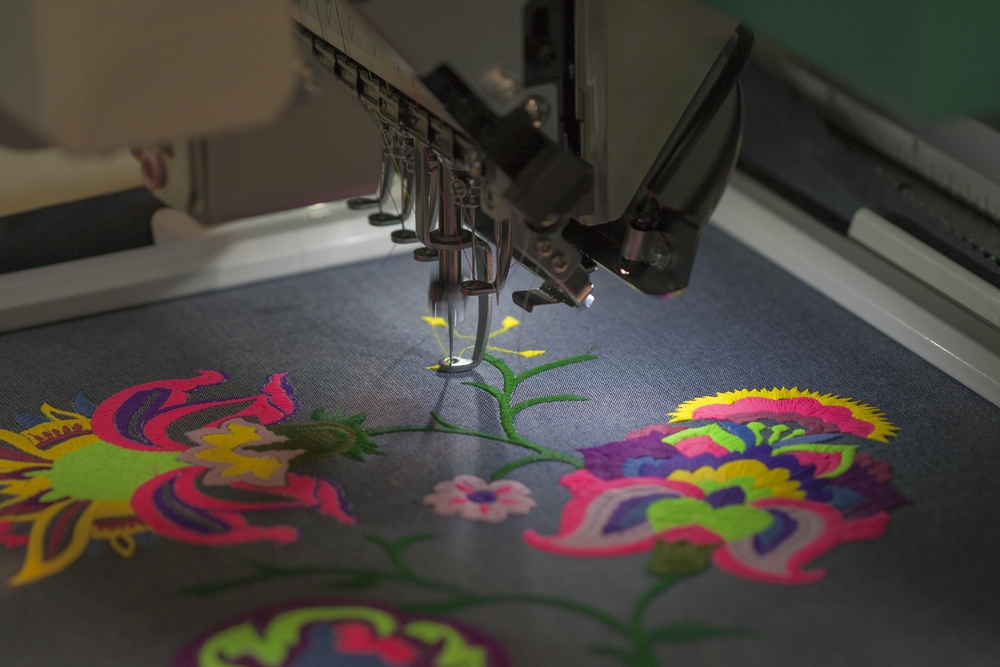
Embroidery digitizing solutions can make a major difference when a design looks perfect on a computer but fails to produce the same quality on fabric. Many embroidery problems are not caused by the machine itself. They often begin with an improperly prepared embroidery file. A design may have too many stitches, incorrect stitch directions, unsuitable underlay, or details that are too small for the selected fabric. Professional digitizing helps convert artwork into a stitch-ready format that is easier for an embroidery machine to understand and reproduce accurately.
Why Artwork Cannot Simply Be Used for Embroidery
A common mistake is assuming that a JPG, PNG, or other image can be directly uploaded to an embroidery machine. Standard image files contain pixels, while embroidery machines require instructions about stitches, thread paths, colors, density, and sequencing. Digitizing bridges this gap by transforming artwork into a machine-readable embroidery file.
During this process, a digitizer determines how different sections of the design should be stitched. They may use satin stitches for lettering, fill stitches for larger areas, and running stitches for outlines or fine details. The goal is not simply to trace the artwork but to rebuild it according to the physical behavior of thread and fabric.
This is particularly important for logos and branded artwork. A small mistake in stitch planning can change the appearance of letters, borders, shapes, and other important elements.
Common Problems Caused by Poor Digitizing
Poor digitizing can create several frustrating problems. One of the most noticeable is excessive thread density. When too many stitches are placed in a small area, the fabric can become stiff, puckered, or distorted. In contrast, insufficient density can leave gaps where the fabric becomes visible through the embroidery.
Thread breaks are another common issue. If stitch paths are unnecessarily complicated or contain excessive jumps and trims, the machine may require more frequent interruptions. Incorrect stitch direction can also affect the appearance of a design, particularly when light reflects differently from various thread angles.
Small lettering presents another challenge. Text that appears readable on a computer screen may become unclear when embroidered. Tiny letters need appropriate stitch types, spacing, and dimensions. A professional digitizer knows when certain details should be simplified rather than reproduced exactly.
Choosing the Correct Stitch Type
Different parts of an embroidery design require different stitch structures. Using the same stitch type throughout a design can produce an unattractive or unstable result.
Satin stitches are commonly suitable for borders, lettering, narrow columns, and smooth shapes. Their closely arranged stitches can create a clean and slightly raised appearance. Fill stitches are generally more appropriate for larger areas because they can cover broad sections efficiently. Running stitches are useful for outlines, fine details, and elements where a lighter appearance is required.
The choice also depends on the design's size and the fabric being used. A design intended for a structured cap may need a different approach from one intended for a soft T-shirt. Understanding these differences is one of the main reasons professional digitizing is valuable.
Fabric Should Influence the Digitizing Process
The same embroidery file may not perform equally well on every material. Fabric has different levels of stretch, thickness, stability, and texture, and these characteristics influence how stitches behave.
For example, stretchy garments may require additional consideration for stabilization and underlay. Without proper planning, the embroidery can pull the fabric and create puckering. Caps also require specialized digitizing because their curved surfaces make stitch placement more challenging.
Heavy fabrics may tolerate stronger stitch structures, while delicate materials may require lighter coverage. A good digitizer considers the final application before creating the stitch file instead of treating every project identically.
The Importance of Underlay
Underlay stitches are often hidden beneath the visible embroidery, but they play an important structural role. They help stabilize the fabric, provide a foundation for top stitches, and can improve the overall shape of the finished design.
Without appropriate underlay, top stitches may sink into the fabric or fail to maintain their intended shape. Excessive underlay, however, can contribute to unnecessary bulk and density. The correct balance depends on the material, design, stitch type, and size.
This is one area where experience matters. A digitizer must understand how the foundation stitches will interact with the visible stitching rather than simply adding them automatically.
Why Design Testing Matters
Even a carefully prepared embroidery file should be tested when quality is important. A test sew-out can reveal issues that are difficult to identify while viewing the design digitally.
Testing can show whether lettering remains readable, whether the design is properly centered, whether the fabric puckers, and whether thread colors provide sufficient contrast. It can also reveal unnecessary jumps, thread breaks, gaps, or areas where stitch density needs adjustment.
For business logos and large production orders, testing is especially useful because correcting a file before production can prevent repeated mistakes across dozens or hundreds of garments.
How to Prepare Artwork Before Sending It
Customers can make the digitizing process easier by providing clear and useful artwork. A high-resolution logo or vector file is generally preferable because it gives the digitizer a clearer understanding of the original shapes.
It is also helpful to provide the intended embroidery size and the type of product being embroidered. Mentioning whether the design will be placed on a cap, jacket, polo shirt, bag, patch, or another item gives the digitizer important information.
If exact brand colors are important, provide the required color references as well. These details reduce unnecessary revisions and help the digitizer create a file that is better suited to the final application.
Selecting a Reliable Service
When choosing a digitizing provider, do not focus only on price. A very cheap file may appear attractive initially but become expensive if it causes repeated thread breaks, poor-quality embroidery, wasted garments, or additional editing work.
Look for a provider that understands different fabrics, embroidery applications, stitch types, and machine requirements. Reviewing sample work can help determine whether the provider consistently produces clean lettering, smooth curves, balanced density, and accurate details.
It is also useful to ask about revisions. A reliable service should be willing to address reasonable issues discovered during testing. Fast communication can be equally important when production deadlines are involved.
Better Files Lead to Better Production
Good embroidery starts before the machine begins stitching. A properly digitized design can help reduce production problems, improve visual quality, and make the embroidery process more efficient. Instead of treating digitizing as a simple conversion from image to stitch file, it should be viewed as a technical preparation stage that connects artwork with real-world embroidery.
Whether the project involves company logos, custom clothing, caps, patches, uniforms, or promotional products, careful digitizing can help ensure that the final embroidery represents the original artwork as accurately as possible.
The most effective approach is to consider the artwork, fabric, size, machine, thread, and intended application together. With the right preparation and testing, many common embroidery problems can be identified before production begins. This saves time, reduces material waste, and creates a more consistent finished product.

 Czech
Czech
 Arabic
 French
 Spanish
 Portuguese
 Deutsch
 Turkish
 Dutch
Dutch
 Italiano
 Russian
 Romaian
 Portuguese (Brazil)
 Greek
Greek