


 About SPORTIVO Network
The Importance of Proper Surgical Tool Selection in Clinical Practice
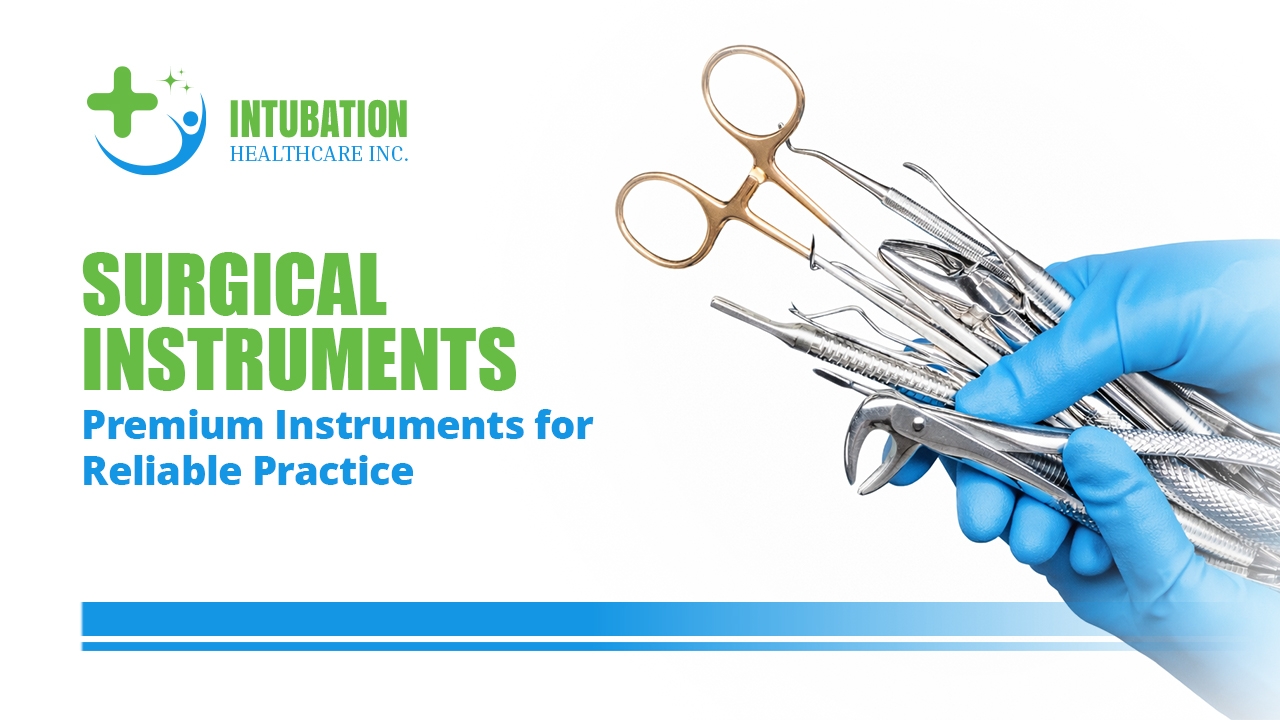
Selecting the right surgical tools is a critical part of safe, efficient clinical practice. Every procedure requires instruments that match its purpose, technique, and level of precision. From routine examinations to complex operations, proper surgical instrument selection supports controlled handling, smoother workflows, and consistent performance. For hospitals, clinics, dental practices, ophthalmic centers, and surgical facilities, purchasing dependable medical equipment is therefore a clinical and operational priority.
Why Surgical Tool Selection Matters
Surgical instruments are designed for specific functions, including cutting, grasping, retracting, dissecting, clamping, suturing, and airway management. Using an instrument that is poorly suited to a task can reduce control, interrupt the procedure, or create unnecessary strain for the clinician. A correctly selected tool should fit the intended procedure, provide reliable grip and movement, and allow the healthcare professional to work accurately.
Procedure-specific selection is especially important when choosing forceps, scissors, retractors, cannulas, laryngoscopes, intubation stylets, electrosurgical instruments, and ophthalmic tools. The size, shape, tip design, and working length should match the clinical application. Healthcare teams should also review the manufacturer’s instructions for use, facility protocols, and applicable regulatory requirements before introducing any instrument into practice.
Key Factors When Choosing Surgical Instruments
Material quality is one of the most important considerations. High-quality stainless steel surgical instruments are valued for strength, corrosion resistance, and suitability for repeated cleaning and sterilization when labeled as reusable. Instruments should have smooth finishes, aligned jaws, secure joints, and precise working ends.
Ergonomics also affects clinical performance. Well-balanced surgical tools may help reduce hand fatigue during lengthy or repetitive procedures. Handles should feel secure, while hinges and ratchets should operate smoothly. For delicate specialties such as ophthalmology or plastic surgery, fine control and accurate tip alignment are particularly important.
Compatibility should be checked before purchase. Accessories, cables, handles, blades, electrodes, and other connected components must be suitable for the intended system. Clinical teams should confirm sizing, connection type, electrical requirements, and sterilization limitations. Routine inspection and preventive maintenance are equally important because damaged, loose, dull, or misaligned instruments should be removed from service and assessed promptly.
Facilities must also decide between reusable and single-use surgical instruments. Reusable tools may offer long-term value when proper reprocessing systems are available. Single-use instruments can support convenience and standardized readiness in appropriate settings. The best choice depends on the procedure, infection prevention policy, budget, storage, and staff capacity.
Supporting Workflow, Safety, and Cost Control
Reliable surgical supplies contribute to an organized clinical workflow. When teams have the correct instruments available, inspected, and prepared, they can reduce delays caused by missing or unsuitable equipment. Standardized surgical kits and procedure trays can also simplify setup, inventory management, and staff training.
Price should be considered alongside quality, durability, and intended use. Choosing the cheapest option without evaluating construction or performance may lead to frequent replacement and higher long-term costs. A trusted surgical instrument supplier should provide clear product descriptions, dimensions, usage information, and responsive customer support so buyers can make informed decisions.
Choose Surgical Tools from a Reliable Medical Equipment Shop
Intubation Healthcare Inc. offers surgical instruments and medical supplies for healthcare professionals, clinics, hospitals, and students. Its online range includes anesthesia instruments, ophthalmic instruments, plastic surgery tools, electrosurgical products, surgical sutures, dental instruments, and student practice kits.
When you buy surgical instruments online, compare the product specifications with your clinical requirements rather than selecting by price alone. Explore Intubation Healthcare’s collection to find quality surgical tools designed for precision, reliability, and practical use. Proper selection begins with understanding the procedure and continues with choosing equipment from a dependable medical equipment supplier.

 Czech
Czech
 Arabic
 French
 Spanish
 Portuguese
 Deutsch
 Turkish
 Dutch
Dutch
 Italiano
 Russian
 Romaian
 Portuguese (Brazil)
 Greek
Greek