


 About SPORTIVO Network
Understanding Biomarkers Used in Metabolic Research
Did you know that two people can eat the exact same meal and have completely different internal chemical reactions? Metabolism is far more than just how fast you burn calories - it is a complex web of chemical signals that dictate how your body stores energy, repairs tissue and manages aging. By looking at specific substances in the blood or tissues, known as biomarkers, researchers can see exactly how these processes are functioning in real time.
Researchers use these markers to move beyond guesswork - Instead of just looking at body weight, they look at the molecular signatures that tell the story of your cellular health - these indicators are essential for anyone trying to understand why some individuals maintain high energy levels while others struggle with fatigue or weight gain despite similar lifestyles.
The Basics of Metabolic Health
Metabolism is the sum of all chemical reactions that sustain life. It involves two main paths - breaking down molecules to get energy and building up all the components cells need. Biomarkers are the measurable signs of the activities. They serve as a roadmap for scientists who are investigating how different interventions, from diet to new laboratory compounds, affect the body's internal balance.
When you look at metabolic research, you are usually looking at how the body handles "fuel" If the body is efficient, it switches between burning sugar and burning fat without much trouble. If there is a problem, the biomarkers will show "clogs" in the system - these clogs often appear as elevated sugar or fat levels in the blood because the cells are not taking them in properly.
Common categories of biomarkers include
- Hormonal signals Chemicals like insulin that tell cells what to do with energy.
- Metabolites Small molecules like glucose or amino acids that are the products of metabolism.
- Enzymatic activity Proteins that speed up chemical reactions in the body.
Glucose & Insulin Sensitivity
Glucose is the primary sugar found in your blood and comes from the food you eat. It is your body's main source of energy. Too much of it staying in the blood is toxic - this is where insulin comes in. Insulin is the "key" that opens the door of your cells to let the sugar in. Researchers spend a huge amount of time measuring how well these keys work, a concept known as insulin sensitivity.
If your cells stop responding to insulin, your body has to pump out more and more of it to get the same result - this state is a precursor to many long term health issues. In recent years, scientists have looked at various ways to support this process. For instance, some scientific discussions on mitochondrial peptides suggest that improving the health of our "cellular powerhouses" can make cells more responsive to insulin signals again.
Measuring fasting blood sugar is a start but researchers also look at HbA1c - this marker shows the average blood sugar levels over the past three months. It gives a much clearer picture of long term metabolic control than a single finger prick test ever could. By tracking these numbers, we can see if a specific lifestyle change is actually making a difference at the cellular level.
Lipid Profiles & Fat Metabolism
Fat is not just something the body stores - it is an active tissue that sends out its own signals. When researchers look at lipids, they are looking at cholesterol and triglycerides. While "high cholesterol" is a common phrase, the reality is more nuanced. Scientists look at the size and density of the particles carrying the fats through your blood.
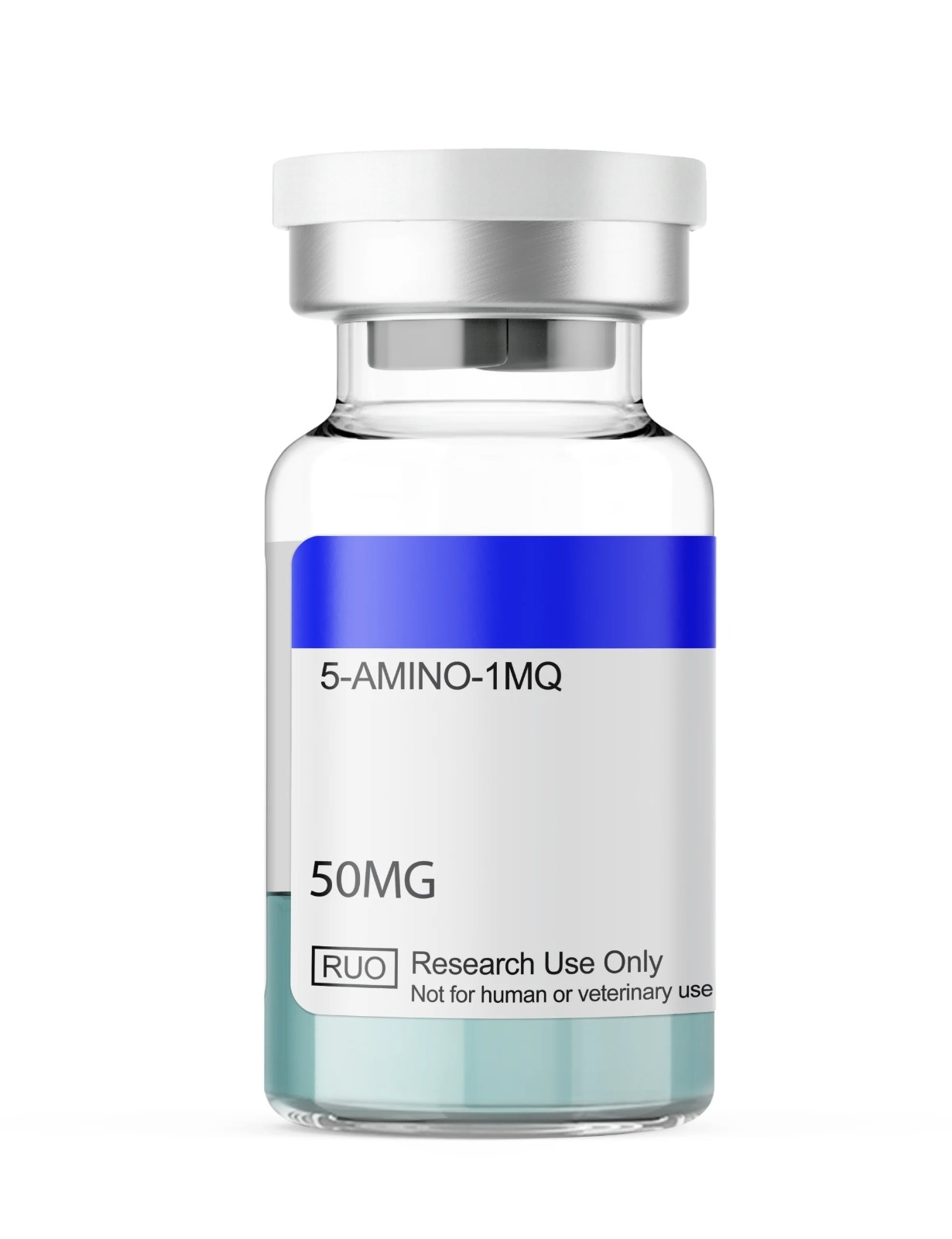
Triglycerides are a type of fat found in your blood - When you eat, your body converts any calories it doesn't need to use right away into triglycerides. High levels often point to a diet too high in simple sugars or an inactive lifestyle. Improving how the body handles these fats is a major goal of metabolic science. Some researchers are currently investigating the potential role of NNMT inhibitors in helping the body manage fat cells more effectively - altering how they use energy.
We can summarize the key lipid markers as follows
- HDL (High-Density Lipoprotein) Often called "good" cholesterol because it carries fat away from arteries.
- LDL (Low-Density Lipoprotein) Often called "bad" because it can build up in vessel walls.
- Triglycerides The storage form of energy that can become problematic if levels stay high.
Peptides in Modern Research
Peptides are short chains of amino acids that act as signaling molecules in the body. They tell your organs how to behave. In metabolic research, peptides are becoming a central focus because they are very specific in their actions. Compared to broad medications that might affect many systems, a peptide often targets just one type of receptor.
One area of great interest is how these signals help with tissue repair and energy regulation. As an example, some people use specific compounds to address physical changes after a significant metabolic shift. You might find a detailed overview of copper peptides useful if you are looking into how the body manages skin elasticity after losing a lot of weight - this shows that metabolism isn't just about what happens inside the liver or muscles but also how the surface of the body responds to change.
The beauty of studying peptides is that they are natural to the body. Researchers are simply finding ways to "up-regulate" or "down-regulate" the signals that are already there - this makes them a very precise tool for fine tuning metabolic health in a laboratory or clinical setting.
Inflammatory Markers & Longevity
Inflammation is the body's response to stress or injury - In the short term, it is helpful. In the long term, "smoldering" or chronic inflammation acts like a slow moving fire that damages healthy tissues and disrupts metabolism. C-Reactive Protein (CRP) is the most common biomarker used to measure this internal heat.
When CRP levels are high, it usually means the metabolism is under significant stress - this could be because of poor sleep, a diet of processed foods or even chronic psychological stress. Reducing this marker is often a sign that the body is returning to a state of balance. Longevity researchers pay close attention to this because low inflammation is one of the most consistent attributes found in individuals who live past one hundred years.
Keeping your metabolic biomarkers in a healthy range is a lifelong journey. It requires a mix of
- Consistent physical movement to keep insulin working well.
- Nutrient-dense foods to keep lipid profiles stable.
- Adequate recovery to keep inflammatory markers low.
- Potential use of targeted research compounds to address specific signaling gaps.
FAQ
What is the most important biomarker for metabolism?
There is no single "most important" marker but insulin sensitivity is often considered the foundation. If your body cannot manage insulin, it affects almost every other system, including how you store fat and how much inflammation you have.
How often should I check my metabolic markers?
For most healthy adults, an annual blood panel is a good standard. If you are making major lifestyle changes or testing research grade protocols, you might check specific markers every three to six months to track your progress.
Can peptides really change my metabolism?
Peptides act as messengers - They don't "do" the work for you but they can provide the signal your cells need to burn fat more efficiently or repair tissue faster. They are best used as a supplement to a solid foundation of diet and exercise.
Is "metabolic age" a real scientific biomarker?
Metabolic age is more of a simplified term used by consumer health companies. Real researchers look at specific data points like VO2 max, blood glucose and lipid ratios rather than a single "age" number.

 Czech
Czech
 Arabic
 French
 Spanish
 Portuguese
 Deutsch
 Turkish
 Dutch
Dutch
 Italiano
 Russian
 Romaian
 Portuguese (Brazil)
 Greek
Greek