


 About SPORTIVO Network
Food Packaging for Gourmet Gift Sets: Presentation That Matches the Price
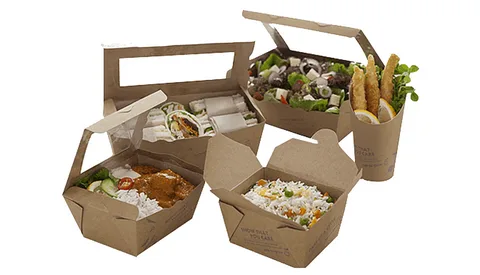
Gourmet and specialty food gifts occupy a different space than everyday grocery products. A curated cheese board, an artisanal chocolate collection, or a premium olive oil set isn't just sold on flavor, it's sold on the experience of giving and receiving something that feels genuinely special. Packaging carries an outsized share of that emotional weight, since the unboxing moment often happens in front of the person the gift is meant to impress.
Food packaging built for gifting has to solve a different problem than everyday retail packaging. It needs to protect delicate or perishable contents, present multiple items cohesively, and create a reveal moment that justifies a premium price point, all while still meeting the same food-safety requirements every other food product has to satisfy.
Why Gift-Focused Food Packaging Behaves Differently
A handful of factors separate gourmet gift packaging from standard grocery or snack packaging.
The unboxing moment carries emotional weight. Unlike a bag of chips grabbed off a shelf, gourmet gift sets are often opened in a social setting, at a holiday gathering, a housewarming, a corporate event, which means the reveal itself needs to feel considered rather than purely functional.
Multiple components need cohesive presentation. A gift set often combines several distinct food items, cheeses, crackers, preserves, chocolates, that each have their own handling and freshness requirements while still needing to look like one unified, thoughtfully curated collection.
Price expectations shift the packaging math. Customers paying a premium for a curated gift set expect packaging that visually justifies that price, which changes the calculus around structural investment compared to a lower-margin everyday food product.
Seasonal timing concentrates demand. Gourmet food gifts see sharp seasonal spikes around holidays, which creates production planning challenges around lead time that everyday food brands with steady year-round demand don't face in the same way.
Structural Formats Worth Considering
A few food packaging structures show up repeatedly across the gourmet food gifting category, each suited to different presentation goals.
Compartmentalized boxes with dividers keep multiple food items separated and organized, preventing cross-contamination of flavors while creating a clean, curated visual layout when the box is opened.
Rigid gift boxes deliver the weight and substance that reinforces a premium price point, since the tactile heft of rigid construction signals quality before a customer even sees what's inside.
Book-style rigid formats take this further with a distinctive reveal. Book rigid boxes work particularly well for curated gourmet collections, since the hardcover-style opening creates a memorable, almost ceremonial unboxing moment that suits multi-item sets built specifically around gifting occasions rather than everyday purchases.
Insulated or temperature-managed inserts matter for gift sets including perishable items like cheese or charcuterie, requiring structural planning that goes beyond what a shelf-stable snack gift box would need.
Balancing Presentation With Food Safety Requirements
Gourmet gift food packaging still has to meet the same food-contact safety and labeling requirements as any other food product, even while prioritizing premium presentation. Nutrition information, allergen warnings, and ingredient lists need to be planned into the design from the start rather than squeezed in as an afterthought once the visual concept is already finalized.
The strongest gourmet packaging treats compliance elements as part of the overall design system, integrating required information cleanly rather than letting it look like a sticker slapped onto an otherwise polished box. This approach protects both legal compliance and the premium feel the packaging is working to create.
Branding Considerations for Gift-Focused Food Products
Gourmet food gifts benefit from a few specific branding choices that everyday grocery packaging doesn't need to prioritize as heavily.
Clear storytelling around sourcing and craftsmanship resonates strongly in this category, since customers paying a premium often want to understand what makes the product special, a specific region, an artisanal process, a limited production run. Seasonal or limited-edition packaging variations also perform well here, giving repeat gift-givers a reason to return each year for a refreshed presentation rather than the identical box from the previous season.
Comparing Real Packaging Options
Reviewing structural and material options built specifically for food products, like the range available through BoxBaba's food packaging, makes it easier to compare gift-focused formats alongside standard retail options before committing to a production run. Working with a supplier experienced in custom packaging boxes across both everyday and premium gift formats specifically helps avoid the common mismatch that comes from applying standard grocery packaging logic to a product meant to feel like a genuine gift.
Planning Around Seasonal Production Cycles
Gourmet food packaging concentrates heavily around specific calendar windows, holidays, Mother's Day, corporate gifting season, which creates a production planning challenge most everyday food brands don't face at the same intensity. Ordering packaging too close to peak season risks running out of stock during the exact weeks when demand is highest, while ordering too early ties up capital and warehouse space for months before the product actually sells.
Brands that succeed in this category typically plan packaging orders several months ahead of major gifting seasons, building in buffer time for sample approval, production, and shipping delays that become more common as suppliers face their own seasonal capacity crunches. This lead time planning matters even more for rigid or book-style formats specifically, since these structures generally require longer production timelines than simpler folding cartons, making early ordering even more critical for brands relying on premium presentation during peak gifting windows.
Cost Tiers Across Gift Packaging Formats
Format choice affects food packaging cost significantly in this category, and understanding these tiers helps brands price gift sets realistically. Simple compartmentalized folding cartons represent the most cost-efficient option, offering organized presentation without the material and assembly costs rigid construction requires. This format works well for accessible gift sets positioned at a lower price point, where cost efficiency matters more than maximum tactile weight.
Rigid gift boxes sit at a higher cost tier, reflecting both material thickness and a more involved assembly process, but this investment typically makes sense for gift sets priced to support that added cost. Book-style rigid formats represent the premium end of the spectrum, best reserved for flagship gift collections or limited seasonal releases where the elevated presentation genuinely matches an elevated price point customers already expect to pay. Many gourmet food brands use a tiered approach across their gift catalog, offering multiple price points with packaging formats matched accordingly, rather than forcing every gift set into the same structural tier regardless of its actual price position.
Final Thoughts
Food packaging built for gourmet gifting has to do more work than standard grocery packaging, balancing food safety compliance, multi-item presentation, and an emotional unboxing moment that justifies a premium price point. Getting structure, compliance integration, and seasonal planning right helps gourmet food brands deliver the kind of memorable gifting experience that keeps customers, and the people they're buying for, coming back year after year.

 Czech
Czech
 English
 Arabic
 Spanish
 Portuguese
 Deutsch
 Turkish
 Dutch
Dutch
 Italiano
 Russian
 Romaian
 Portuguese (Brazil)
 Greek
Greek