


 About SPORTIVO Network
Brake Line Repair: Why Healthy Brake Lines Matter for Every Driver
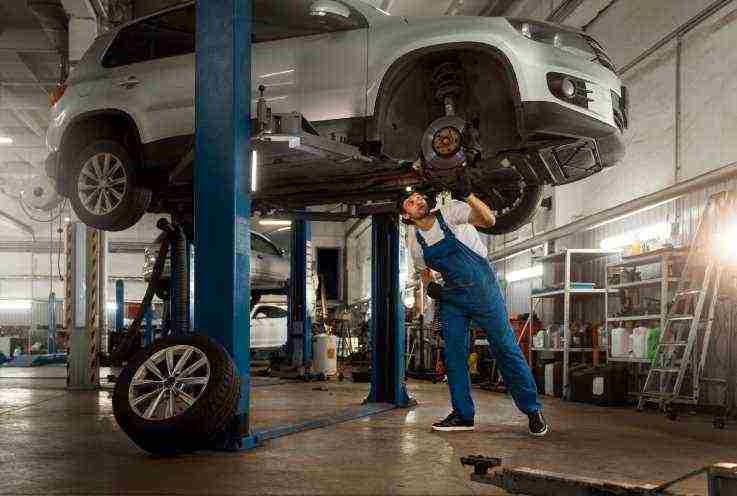
Your vehicle's braking system depends on many connected parts working together, and brake line repair becomes important when those parts can no longer safely deliver hydraulic pressure. Brake lines carry brake fluid from the master cylinder to each wheel, allowing your brakes to respond when you press the pedal. Even a small leak, corrosion, or damaged section can reduce braking performance and increase stopping distance. Understanding how brake lines work and recognizing early warning signs can help drivers avoid more serious problems.
Brake lines are built to handle high pressure, but they are still exposed to moisture, road salt, debris, and changing temperatures. Over time, metal lines may corrode while flexible rubber hoses can develop cracks or wear. These issues often develop gradually, making routine inspections an important part of vehicle maintenance.
Several warning signs may indicate brake line trouble. A soft or spongy brake pedal is one of the most common symptoms. Drivers may also notice brake fluid beneath the vehicle, a brake warning light on the dashboard, or reduced stopping power during normal driving. Ignoring these signs can allow the problem to worsen and affect the overall braking system.
Regular maintenance helps identify brake line concerns before they become serious. During inspections, technicians check for corrosion, leaks, loose fittings, damaged hoses, and proper brake fluid levels. Replacing worn components early helps maintain consistent hydraulic pressure and supports reliable braking performance in different driving conditions.
Environmental factors also influence brake line lifespan. Vehicles driven in areas with heavy rain, snow, or salted roads often face faster corrosion than those operating in milder climates. Dirt and road debris can also wear protective coatings, leaving brake lines more vulnerable to damage. Keeping the underside of a vehicle clean and following the recommended maintenance schedule can help reduce unnecessary wear.
Brake systems are designed with safety as the highest priority, and every component plays a critical role. Even a minor fluid leak can affect how effectively the brakes respond during sudden stops. Paying attention to unusual pedal feel, warning lights, or visible leaks allows problems to be addressed before they become larger safety concerns. Staying proactive with inspections and timely brake repair helps keep the entire braking system operating as intended and supports safer driving for everyone on the road.

 Czech
Czech
 English
 Arabic
 French
 Spanish
 Portuguese
 Deutsch
 Turkish
 Dutch
Dutch
 Italiano
 Russian
 Portuguese (Brazil)
 Greek
Greek