


 About SPORTIVO Network
9 Common Painting Problems That Proper Preparation Can Prevent
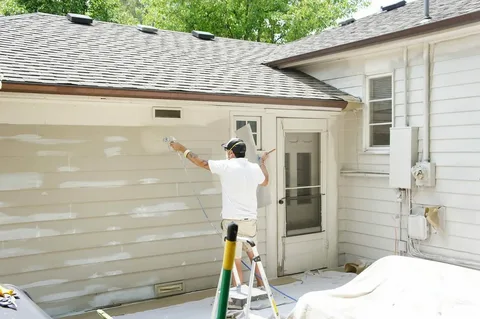
A lasting paint job begins long before the first coat reaches the wall. Surface condition, moisture levels, cleaning methods, and repair work all affect the final result. Homeowners searching for Professional Painters Service in North Plains OR often focus on paint colors, yet preparation has a much greater influence on durability. Paint applied over unstable surfaces can fail within months, while properly prepared walls may maintain their appearance for years with routine care.
1. Peeling Paint Caused by Poor Surface Bonding
Peeling usually begins when paint cannot attach securely to the surface beneath it. Dust, grease, chalky residue, or loose paint create weak points that separate after temperature changes or everyday wear.
Preparation should include scraping loose material, sanding rough edges, washing contaminants away, and allowing every surface to dry completely before primer is applied. These steps create a stable foundation that improves adhesion.
2. Blistering That Develops from Trapped Moisture
Blisters appear as raised bubbles beneath dried paint. Moisture is often responsible. Water can enter through leaking windows, damaged siding, plumbing issues, or excessive indoor humidity.
Before painting begins, experienced contractors inspect for moisture problems rather than covering them with fresh paint. Moisture meters, ventilation checks, and repairs prevent new coatings from trapping water inside walls.
3. Cracking After Seasonal Expansion
Paint naturally expands and contracts with changing temperatures. Existing cracks in drywall, trim, or exterior siding become more noticeable when movement continues beneath fresh paint.
Flexible fillers, quality caulking, and proper sanding help absorb small movements while creating a smoother finish. I Know A Guy Handyman Services LLC evaluates damaged areas before painting instead of relying on thicker paint to hide imperfections.
4. Flashing That Makes Repairs Stand Out
Flashing occurs when patched areas reflect light differently than surrounding walls. Even matching paint colors cannot hide inconsistent surface texture or absorption.
Proper preparation often includes:
-
Priming every repaired section
-
Feather sanding around patches
-
Matching existing wall texture
-
Allowing repairs to cure fully
These simple preparation measures help create a more consistent finish across the entire surface.
5. Stains Bleeding Through Fresh Paint
Water stains, smoke damage, wood tannins, and ink marks often return through standard paint coatings.
Instead of applying multiple finish coats, professionals first identify the source of staining. Specialized stain-blocking primers seal contaminants before decorative paint is applied. This process saves both labor and material while producing cleaner results.
6. Rough Surfaces That Remain Visible
Fresh paint rarely hides dents, nail holes, sanding scratches, or uneven drywall joints. In many cases, glossy finishes make these flaws even easier to notice.
Preparation includes careful inspection under bright lighting. Every repair is sanded smooth before primer is applied. Small imperfections become much less noticeable after proper surface correction compared with relying on extra coats of paint.
7. Mold and Mildew Returning Quickly
Bathrooms, laundry rooms, basements, and shaded exterior walls often develop mold or mildew when moisture remains untreated.
Painting directly over biological growth creates only a temporary improvement. Cleaning with appropriate mildew removal products, correcting ventilation issues, and allowing surfaces to dry completely reduce the chance of recurring discoloration.
Paint formulated for humid environments performs better when applied to properly cleaned surfaces.
8. Uneven Color Across Large Walls
Many homeowners assume uneven color comes from poor paint quality. In reality, inconsistent absorption frequently causes the problem.
Drywall patches, bare wood, repaired plaster, and previously painted sections absorb coatings differently unless they receive uniform priming. Applying primer across repaired areas creates a consistent surface that allows finish coats to dry with a more even appearance.
Lighting also affects color consistency. Professional painters often inspect walls under natural daylight and interior lighting before considering the project complete.
9. Premature Paint Failure Around Trim and Edges
Corners, window trim, baseboards, and door frames receive frequent contact. Dirt accumulation, old caulk, and damaged edges reduce paint adhesion in these high-use areas.
Preparation involves removing loose caulk, cleaning accumulated residue, repairing damaged wood fibers, and applying fresh sealant where movement occurs. These details help prevent early chipping around areas that experience regular use.
Preparation Methods That Influence Long-Term Results
Professional painting projects typically spend a significant portion of the schedule preparing surfaces before finish coats begin. Depending on the condition of the property, preparation may include drywall repair, moisture correction, sanding, pressure washing, wood replacement, patching, and priming.
Skipping even one preparation stage increases the likelihood of visible defects appearing long before repainting would normally be necessary. Careful preparation reduces unexpected maintenance costs because the finished coating performs as intended throughout changing seasons.
Proper preparation is especially important for exterior house painting in North Plains, OR, where siding, trim, and outdoor surfaces face seasonal weather changes that can affect paint performance.
Surface Evaluation Before the First Coat
Every room and exterior surface presents different conditions. Kitchens often contain grease buildup. Bathrooms experience repeated humidity cycles. Exterior siding may have ultraviolet damage after years of sun exposure.
Instead of following one routine for every project, painters inspect the condition of each surface before selecting preparation methods. Many homeowners choose residential paint preparation services to address cleaning, repairs, sanding, and priming needs before the final coating process begins.
That approach produces more consistent results across different materials including drywall, wood trim, fiber cement, brick, and previously painted masonry.
Professional interior painting services in North Plains, OR often begin with a detailed surface assessment to identify repairs, moisture concerns, and preparation requirements before applying new coatings.
Preparation Makes Every Coat Count
Most visible paint failures begin beneath the surface rather than within the paint itself. Cleaning, repairing damage, correcting moisture, sealing stains, and priming appropriate materials create conditions that support a durable finish. Careful preparation often requires additional time, yet it reduces repainting frequency and helps maintain consistent appearance throughout the life of the coating.
Common Questions About Paint Preparation
Why does paint peel even after a recent project?
Peeling usually results from poor surface preparation, moisture intrusion, or painting over loose existing coatings instead of a properly prepared surface.
Can primer replace surface preparation?
No. Primer improves adhesion but cannot compensate for dirt, grease, loose paint, or damaged materials beneath it.
How long should repaired drywall dry before painting?
Drying time depends on repair size and product type, though many patching compounds require at least 24 hours before sanding and priming.
Is pressure washing necessary before exterior painting?
Many exterior surfaces benefit from pressure washing because it removes dirt, mildew, and loose contaminants that interfere with paint adhesion.
Why do patched areas appear different after painting?
Repairs absorb paint differently than surrounding surfaces unless they are properly primed and blended before finish coats are applied.
How often should painted exterior surfaces be inspected?
A visual inspection once each year helps identify moisture damage, cracked caulk, or early coating failure before larger repairs become necessary.

 Czech
Czech
 Arabic
 French
 Spanish
 Portuguese
 Deutsch
 Turkish
 Dutch
Dutch
 Italiano
 Russian
 Romaian
 Portuguese (Brazil)
 Greek
Greek