


 About SPORTIVO Network
Is Hormone Therapy Right for Women in Chesterfield, MO?
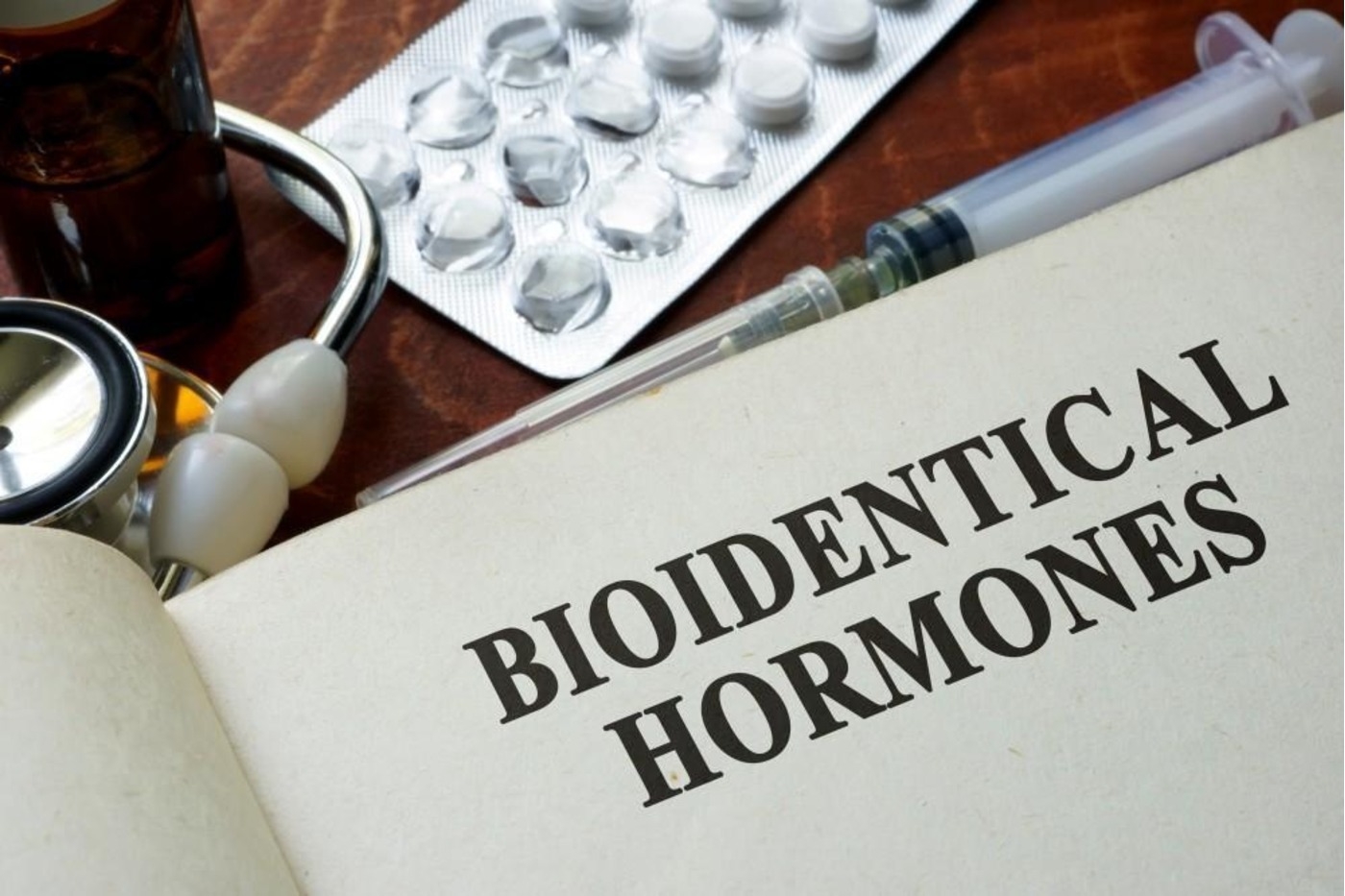
What Is Hormone Therapy and How Can It Help?
Hormone therapy is a medical treatment used to help manage symptoms that may occur when hormone levels change during perimenopause, menopause, or after menopause. Estrogen and progesterone are the primary hormones involved in many menopause-related changes, and a healthcare provider may recommend hormone therapy when symptoms are bothersome and treatment is appropriate. Common concerns include hot flashes, night sweats, sleep disruption, vaginal dryness, mood changes, and other symptoms that can affect everyday comfort and quality of life. The Menopause Society identifies hormone therapy as an effective treatment for bothersome vasomotor symptoms such as hot flashes and night sweats, while also recognizing its role in treating genitourinary symptoms associated with menopause.
Why Do Hormone Levels Change During Menopause?
Menopause is a natural stage of aging in which ovarian hormone production changes and menstrual periods eventually stop. The transition leading to menopause, known as perimenopause, can last several years and may bring symptoms that vary significantly from one woman to another. Some women experience occasional hot flashes or changes in sleep, while others notice more persistent changes in mood, energy, vaginal comfort, or menstrual patterns. Understanding these changes can make it easier to recognize when symptoms may be related to menopause and when a medical evaluation could be useful. Align Health and Menopause focuses on personalized hormone and menopause care designed around the individual rather than assuming every patient will experience the transition in the same way.
When Should Someone Consider Hormone Therapy in Chesterfield?
Hormone Therapy Chesterfield MO may be worth discussing with a qualified healthcare professional when menopause symptoms are persistent, disruptive, or affecting sleep, work, relationships, physical comfort, or overall quality of life. A consultation can help determine whether hormone therapy is appropriate or whether another treatment approach would be more suitable. Treatment decisions should consider a person's age, time since menopause, symptoms, medical history, current medications, and individual risk factors. Hormone therapy is not automatically appropriate for everyone, so a personalized evaluation is an important part of responsible menopause care. Current guidance emphasizes individualized assessment of benefits and risks, particularly when treatment is being considered later in life.
What Symptoms May Improve With Hormone Therapy?
Menopause symptoms can affect several areas of physical and emotional well-being. Hot flashes and night sweats are among the most recognizable symptoms, but menopause may also involve vaginal dryness, sleep disturbances, mood changes, and changes in sexual comfort. Hormone therapy can be particularly effective for bothersome vasomotor symptoms, while certain hormone treatments can also address symptoms affecting the genitourinary system. The appropriate treatment depends on the symptoms being treated and the patient's overall health. A healthcare professional can help determine whether systemic treatment or a localized option is more appropriate for a particular concern.
Does Menopause Cause Weight Gain?
Many women notice changes in body composition and weight during the menopause transition, but the relationship is more complex than simply saying that menopause directly causes weight gain. Aging, changes in muscle mass, activity levels, sleep, appetite, metabolism, and hormonal changes can all contribute. Abdominal weight gain is particularly common during midlife, and recent research has continued to examine the relationship between abdominal obesity and menopause symptoms. Hormone therapy itself should not be viewed as a weight-loss treatment. The Menopause Society notes that hormone therapy is not associated with weight gain, while the American College of Obstetricians and Gynecologists explains that hormone therapy alone does not produce weight loss.
Can Hormone Replacement Therapy Support Weight Management?
Hormone Replacement Therapy Weight Loss is a commonly searched phrase, but it is important to understand what treatment can and cannot do. Hormone therapy is primarily used to manage appropriate menopause symptoms rather than directly reduce body weight. ACOG explains that estrogen therapy may influence where body fat is stored, but hormone therapy by itself does not cause weight loss. Better sleep from improved management of night sweats may indirectly support healthier weight management because poor sleep can contribute to weight gain over time. Sustainable weight management still depends on nutrition, physical activity, sleep, behavioral habits, and appropriate medical support when needed.
What Is Hormonal Testing For Women?
Hormonal Testing For Women may be considered when symptoms suggest a possible hormonal change or when a healthcare professional needs additional information during an evaluation. Depending on the individual's circumstances, testing may involve hormones such as estrogen, progesterone, follicle-stimulating hormone, thyroid-related markers, or other laboratory measures. However, hormone levels can fluctuate considerably during perimenopause, so test results should not be interpreted in isolation. A complete assessment may include symptoms, menstrual history, age, medical history, medications, and other relevant health information. Align Health provides hormone testing and evaluation as part of its broader approach to personalized hormone care.
Why Is My Menstrual Cycle Getting Longer?
A menstrual cycle that becomes longer can occur during perimenopause as ovarian hormone production becomes less predictable. Some women experience shorter cycles, longer cycles, skipped periods, heavier bleeding, or changes in the duration of their periods during this transition. However, not every menstrual change should automatically be attributed to menopause. Significant, persistent, unusually heavy, painful, or unexpected bleeding should be discussed with a healthcare professional because other gynecological or medical conditions can also affect menstrual patterns. Tracking cycle changes can provide useful information during a healthcare appointment and help identify patterns that may require further evaluation.
What Is Pellet Hormone Therapy?
Pellet Hormone Therapy involves small hormone pellets placed beneath the skin, where they gradually release hormones over time. This method is different from other forms of hormone delivery, such as pills, patches, gels, creams, or vaginal products. Because hormone therapy has potential benefits as well as risks, the choice of delivery method should be based on an individualized medical assessment rather than popularity or convenience alone. Patients considering pellet treatment should discuss the expected benefits, potential side effects, monitoring requirements, available alternatives, and whether the treatment is appropriate for their specific health profile before making a decision.
Can Hormone Therapy Help With Vaginal Symptoms?
Menopause-related hormonal changes can contribute to vaginal dryness, irritation, discomfort during sexual activity, and other genitourinary symptoms. These symptoms can continue after menopause and may affect comfort and quality of life. Depending on the specific concern, a healthcare provider may discuss local vaginal treatments, systemic hormone therapy, nonhormonal options, or other approaches. Vaginal estrogen is among the localized hormone treatments used for certain menopause-related genitourinary symptoms, while the broader treatment plan should be selected according to the individual's symptoms and health history.
What Is Vaginal Rejuvenation Treatment?
Vaginal Rejuvenation Treatment is a broad term that can describe procedures or therapies intended to address concerns such as vaginal dryness, tissue changes, discomfort, or changes in vaginal wellness. Because the term covers different technologies and approaches, patients should understand exactly what treatment is being offered, what evidence supports it, what results can realistically be expected, and what risks may exist. Align Health's services information describes vaginal health and future rejuvenation services as part of its focus on comfort, wellness, and individualized care. Vaginal symptoms should also be evaluated medically because dryness, irritation, pain, or urinary symptoms can have several possible causes.
Can a Woman Get Pregnant After Menopause?
Can a Woman Get Pregnant After Menopause? Under natural circumstances, pregnancy is not possible after menopause because ovulation has ended. However, assisted reproductive technology can create pregnancy options for some postmenopausal women. Hormone therapy alone does not restore ovarian function or restart natural ovulation. Align Health explains that hormone therapy may prepare the uterine lining for an embryo in certain fertility treatments, but it does not make the ovaries begin producing eggs again. Women who are considering pregnancy after menopause should receive individualized care from appropriate reproductive and medical specialists because pregnancy at an older age can involve additional health considerations.
Is Hormone Therapy For Men Also Available?
Hormone Therapy For Men may be considered when a man has clinically significant symptoms associated with low testosterone and an appropriate medical evaluation supports treatment. Symptoms can include low energy, changes in sexual function, reduced muscle strength, or changes in mood, although these concerns can have many causes that are unrelated to testosterone. Testing and clinical evaluation are important before treatment begins. Hormone therapy for men should never be based solely on symptoms or a single laboratory result. Align Health lists hormone therapy for women and men among its personalized hormone health services, with care intended to be tailored to individual needs.
How Can a Medical Weight Management Program Fit Into Menopause Care?
A Medical Weight Management Program can provide structured support for people who are struggling with weight changes during midlife. Weight management may involve nutrition, physical activity, behavioral strategies, sleep, medical evaluation, and other appropriate interventions. The goal should be sustainable improvement rather than relying on hormone therapy alone to produce weight loss. Align Health describes its weight management program as a personalized approach combining medical guidance, nutritional support, and lifestyle coaching. A coordinated approach can be particularly useful when weight concerns occur alongside menopause symptoms, although each person's treatment plan should be based on individual health needs.
How Is Hormone Therapy Personalized in Chesterfield?
Hormone Therapy Chesterfield MO should never be approached as a one-size-fits-all treatment. The right approach can depend on whether a person is in perimenopause, menopause, or postmenopause, as well as the type and severity of symptoms. A healthcare professional may consider medical history, family history, medications, previous treatments, cardiovascular risk factors, reproductive history, and other relevant information before recommending therapy. The Menopause Society emphasizes that the benefits and risks of hormone therapy can vary depending on factors such as age, timing, treatment type, and individual health circumstances.
What Should You Discuss During a Hormone Therapy Consultation?
A productive consultation should provide an opportunity to discuss symptoms openly and understand the reasoning behind any recommended treatment. Patients may want to explain changes in periods, sleep, mood, energy, hot flashes, vaginal comfort, sexual health, and weight. It is also useful to discuss current medications, previous hormone treatments, personal medical history, and any concerns about potential side effects. A healthcare provider can then explain available options, expected benefits, possible risks, and monitoring requirements. This shared decision-making approach helps patients understand that hormone care is not simply about replacing hormones but about choosing an appropriate treatment based on the complete health picture.
Why Choose Align Health and Menopause for Personalized Care?
Align Health and Menopause is focused on personalized hormone and menopause care for women and LGBTQ+ individuals, with services that include hormone therapy, hormone testing and evaluation, menopause management, hormone replacement therapy plans, and weight management support. The practice emphasizes individualized care and aims to provide a welcoming environment where patients can discuss hormone health concerns openly. For people searching for Hormone Therapy Chesterfield MO, understanding the treatment process and having access to individualized medical guidance can be an important part of making an informed healthcare decision.
What Should You Know Before Starting Hormone Therapy?
Hormone therapy can be an effective option for appropriate patients, but it is not a universal solution for every menopause symptom or health concern. Treatment should be based on an evaluation of the individual's symptoms, health history, goals, and potential risks. Hormone therapy may provide meaningful relief from bothersome hot flashes, night sweats, and certain genitourinary symptoms, while other concerns may require lifestyle changes, nonhormonal treatment, weight management, or additional medical evaluation. Patients should also understand that treatment needs can change over time, making follow-up and ongoing communication an important part of care.
How Can Women Make Informed Decisions About Hormone Health?
Understanding the difference between menopause symptoms, hormonal changes, weight concerns, vaginal health issues, and unrelated medical conditions is an important first step toward informed care. Search terms such as Hormone Therapy Chesterfield MO, Pellet Hormone Therapy, Hormonal Testing For Women, and Hormone Replacement Therapy Weight Loss may lead people toward many different treatment claims online, but reliable healthcare decisions should be based on evidence and personalized medical guidance. Align Health and Menopause provides a range of hormone and menopause services intended to help patients understand their options and make decisions that fit their individual health needs.

 Czech
Czech
 Arabic
 French
 Spanish
 Portuguese
 Deutsch
 Turkish
 Dutch
Dutch
 Italiano
 Russian
 Romaian
 Portuguese (Brazil)
 Greek
Greek