


 About SPORTIVO Network
How to Choose the Right Brass Adapter Fittings for Your Application
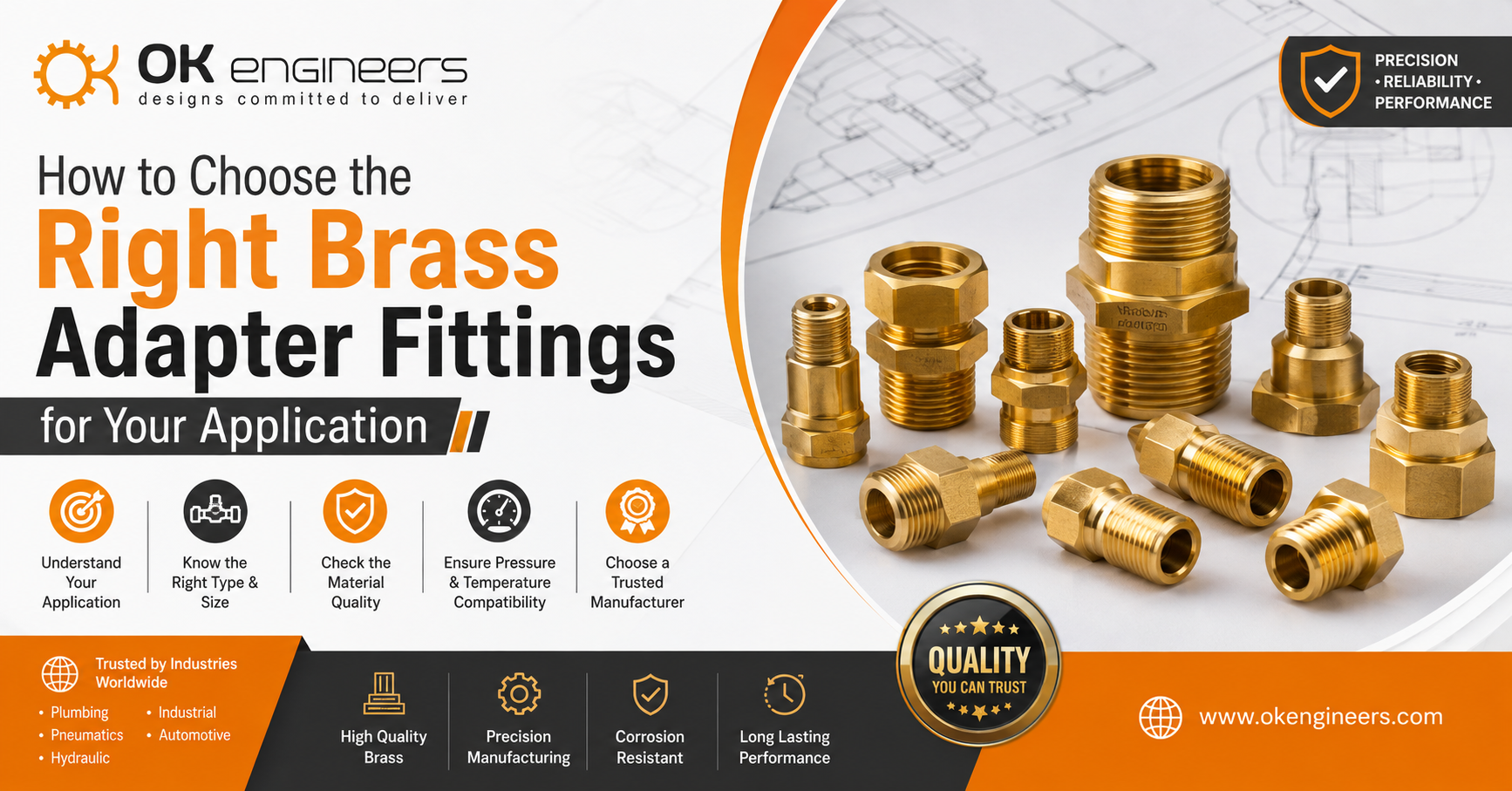
Choosing the right fitting is essential for creating secure, reliable, and long-lasting connections in plumbing, HVAC, automotive, hydraulic, pneumatic, and industrial systems. Brass Adapter Fittings are widely used because they can connect pipes, tubes, hoses, or components with different thread types, sizes, or connection configurations. However, selecting the correct adapter requires more than simply matching the fitting diameter.
The right choice depends on factors such as material grade, thread type, dimensions, pressure, temperature, application environment, and required customization. In this guide, we explain the key factors you should consider when selecting brass adapter fittings for your specific application.
What Are Brass Adapter Fittings?
Brass adapter fittings are precision-engineered connection components designed to join pipes, tubes, hoses, or equipment with different connection sizes or thread configurations. Depending on the design, an adapter can convert male threads to female threads, connect different pipe diameters, or provide compatibility between different components.
Brass is commonly selected for these applications because it offers a useful combination of mechanical strength, machinability, corrosion resistance, and durability. OK Engineers manufactures brass adapter fittings for applications including plumbing, HVAC, automotive, and industrial systems.
1. Identify Your Application
The first step is to understand where the fitting will be installed. Different applications have different performance requirements.
For example:
- Plumbing: Water lines, sanitary systems, and domestic or commercial piping.
- HVAC: Connections used in heating, ventilation, and air-conditioning systems.
- Automotive: Fuel, cooling, hydraulic, and other vehicle systems.
- Hydraulic and pneumatic systems: Applications involving pressurized fluids or compressed air.
- Industrial equipment: Machinery, manufacturing equipment, process lines, and customized assemblies.
Identifying the application helps determine the appropriate material, dimensions, thread specification, pressure rating, and finish.
2. Select the Correct Brass Material Grade
Not all brass alloys have exactly the same properties. The appropriate alloy should be selected according to the application's mechanical, environmental, and regulatory requirements.
For general-purpose applications, commonly used free-cutting brass grades can provide excellent machinability and dimensional accuracy. For specialized applications, a manufacturer may recommend a particular alloy based on corrosion resistance, strength, temperature, or other requirements.
OK Engineers states that its brass plumbing fittings are available in grades including IS 319 and BS/CZ121-related materials, along with special brass compositions according to customer requirements.
For critical applications, ask the manufacturer for material specifications and, where required, material test documentation.
3. Check the Thread Type Carefully
Thread compatibility is one of the most important considerations when choosing an adapter.
Common thread specifications can include:
- BSP
- BSPT
- NPT
- Metric
- UN/UNF
- Other customer-specific thread profiles
Before ordering, confirm both the thread standard and size. Two threads may appear similar but may not provide a correct or safe connection if their profiles or standards differ.
Also determine whether you need a:
- Male-to-male adapter
- Male-to-female adapter
- Female-to-female adapter
- Thread-to-tube connection
- Customized threaded adapter
Providing a technical drawing or sample to your manufacturer can significantly reduce the possibility of incorrect thread selection.
4. Match the Size and Dimensions
Correct dimensions are essential for proper installation and reliable performance. Check:
- Outside diameter
- Inside diameter
- Overall length
- Thread diameter
- Thread pitch
- Wall thickness
- Hex or wrench size
- Connection configuration
Even a small dimensional error can create installation difficulties or affect sealing performance. Precision machining is therefore particularly important for custom and high-volume applications.
OK Engineers highlights dimensional accuracy and customized sizes, thread types, and connection types as part of its brass fitting manufacturing capabilities.
5. Consider Pressure and Temperature Requirements
The operating conditions of your system should always be considered before selecting an adapter.
Determine:
- Normal operating pressure
- Maximum operating pressure
- Operating temperature
- Possible pressure fluctuations
- Type of fluid or gas being handled
Pressure capability depends on factors such as alloy, fitting geometry, wall thickness, thread engagement, temperature, and design. Increasing temperature can reduce the allowable working pressure of brass fittings, so the manufacturer's specifications should always be checked for demanding applications.
Avoid choosing a fitting based only on nominal pipe size. The adapter must be suitable for the actual operating conditions of the complete system.
6. Check Compatibility With the Fluid or Medium
The fluid or gas passing through the fitting can influence material selection.
For example, applications involving:
- Water
- Air
- Hydraulic fluids
- Fuel
- Gas
- Refrigerants
- Industrial fluids
may have different material and sealing requirements.
For potable water or specialized chemical environments, additional material and regulatory requirements may apply. Always communicate the exact medium to your supplier before finalizing the fitting specification.
7. Choose the Right Surface Finish
The surface finish can affect both appearance and environmental resistance.
Depending on the application, brass adapter fittings may be supplied with:
- Natural brass finish
- Nickel plating
- Other protective coatings
Nickel-plated brass can be useful where a particular appearance or additional surface protection is required. The finish should be selected according to the environment, functional requirements, and customer specifications.
OK Engineers offers natural, nickel-plated, and other surface treatments according to customer requirements for its brass fitting products.
8. Consider Sealing Requirements
A properly selected adapter must work effectively with the sealing method used in your system.
Depending on the connection, sealing may involve:
- Thread sealant
- PTFE tape
- O-rings
- Washers
- Gaskets
- Compression mechanisms
The sealing method should be compatible with the thread design, pressure, temperature, and medium. Correct installation is equally important because over-tightening can damage threads or the fitting, while insufficient tightening can result in leakage.
9. Look for Precision Manufacturing
Precision becomes especially important when fittings are manufactured for OEM equipment, automated machinery, or high-volume industrial applications.
A reliable manufacturer should be able to maintain consistency in:
- Thread dimensions
- Bore diameter
- Overall dimensions
- Surface finish
- Material composition
- Machining quality
OK Engineers manufactures turned parts, fittings, and assemblies and offers custom production according to customer drawings and specifications. Its stated competency includes more than 60 years of experience in brass parts manufacturing and a fourth-generation family-run operation.
10. Choose a Manufacturer That Supports Custom Requirements
Standard fittings may not always meet the requirements of specialized equipment. In such cases, custom brass adapter fittings can provide a better solution.
A manufacturer may be able to customize:
- Dimensions
- Thread specifications
- Brass alloy
- Connection type
- Surface treatment
- Tolerances
- Packaging
- Production quantities
Providing a detailed technical drawing, sample, or specification sheet allows the manufacturer to understand your exact requirements and produce a fitting designed for your application.
Why Choose OK Engineers for Brass Adapter Fittings?
OK Engineers is an experienced manufacturer and exporter of brass and copper alloy components, supplying precision-engineered products for a variety of industries. The company identifies itself as an ISO 9001:2015 certified manufacturer and offers turned parts, fittings, assemblies, and customized components.
When sourcing Brass Adapter Fittings, OK Engineers can support customers with:
- Precision-machined brass components
- Customized dimensions and thread configurations
- Different brass material options
- Natural and plated finishes
- Applications across plumbing, HVAC, automotive, and industrial sectors
- Production based on drawings, samples, or specifications
- Manufacturing and export support
The company's adapter fitting range is specifically positioned for applications requiring reliable connections between different pipe, tube, or hose configurations.
Final Thoughts
Choosing the right Brass Adapter Fittings requires careful consideration of application, material, thread type, dimensions, pressure, temperature, fluid compatibility, sealing method, and manufacturing quality. Selecting the correct specifications from the beginning can help improve connection reliability, reduce installation problems, and support long-term system performance.
Whether you need standard adapters or customized components, working with an experienced manufacturer can make the sourcing process easier and more dependable.
For high-quality and customized brass adapter fittings, explore the Brass Adapter Fittings range from OK Engineers or visit OK Engineers to discuss your specific requirements.
Frequently Asked Questions
1. What are brass adapter fittings used for?
Brass adapter fittings are used to connect pipes, tubes, hoses, or components with different sizes, thread types, or connection configurations. They are commonly used in plumbing, HVAC, automotive, hydraulic, pneumatic, and industrial applications.
2. How do I select the correct brass adapter fitting?
Consider the application, pipe or tube size, thread standard, material grade, pressure, temperature, fluid or gas, sealing method, and required dimensions before selecting an adapter.
3. Can brass adapter fittings be customized?
Yes. Depending on the manufacturer's capabilities, brass adapter fittings can be customized according to drawings, samples, dimensions, thread specifications, materials, finishes, and other technical requirements.
4. Why is brass commonly used for adapter fittings?
Brass provides a combination of strength, machinability, durability, and corrosion resistance, making it suitable for many connection and fluid-handling applications.
5. Where can I buy customized brass adapter fittings?
Businesses can source customized brass adapter fittings directly from experienced manufacturers such as OK Engineers, which manufactures brass components according to customer specifications.

 Czech
Czech
 English
 Arabic
 French
 Spanish
 Portuguese
 Deutsch
 Turkish
 Dutch
Dutch
 Russian
 Romaian
 Portuguese (Brazil)
 Greek
Greek