


 Android App
 About SPORTIVO Network
Can Unstable Support Really Cause Dangerous Camping Accidents?
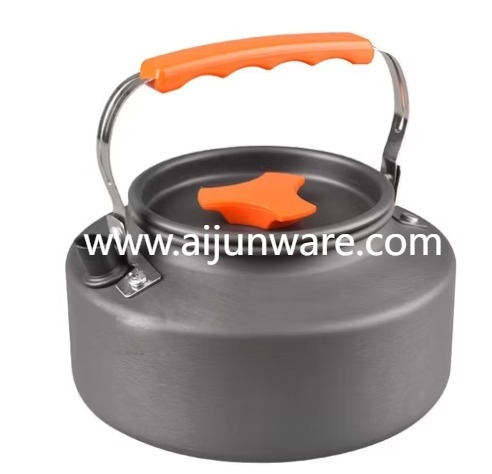
Open fire cooking connects modern campers to ancient traditions, yet many overlook fundamental principles that prevent equipment damage and safety hazards. Positioning your Aijun Camping Water Pot directly in flames without consideration for heat distribution, stability, or appropriate support creates problems ranging from scorched food to tipped containers spilling boiling water. Understanding common errors allows outdoor enthusiasts to avoid painful lessons while preserving both their gear and their safety during backcountry adventures.
Placing vessels directly on burning logs represents one of the frequent missteps that damages equipment and creates instability. Logs shift as they burn, causing containers to tip unexpectedly. The concentrated heat from direct wood contact can warp metal bottoms or create hot spots that burn contents unevenly. Instead, allowing flames to die down to established coals provides more consistent, controllable heat. Building a proper coal bed takes patience but delivers reliable cooking temperatures without the unpredictability of active flames.
Failing to create stable support structures leads to dangerous spills and ruined meals. Balancing pots precariously on two logs across a fire pit seems convenient but invites disaster when logs burn through or shift. Proper technique involves arranging three or more support points using rocks or dedicated fire grates. The tripod configuration provides inherent stability that prevents tipping even when support points settle. Taking time to establish secure platforms before cooking begins prevents accidents that endanger people and waste precious food supplies.
Ignoring wind direction causes smoke and ash to contaminate food while making fire management difficult. Positioning yourself upwind forces constant exposure to smoke and allows ash to blow directly into open containers. Observing wind patterns before establishing cooking areas and adjusting position accordingly keeps smoke away from both the cook and the food. This awareness also improves fire control, as wind can intensify flames unexpectedly or blow embers beyond intended boundaries.
Overfilling containers creates boiling hazards and extinguishes fires simultaneously. Liquids expand when heated, and vigorous boiling causes contents to foam and overflow. Spilled water douses flames, requiring fire rebuilding and wasting time. Overflows also waste food and create mess in cooking areas. Filling vessels only two thirds full allows room for expansion and vigorous boiling without overflow risks. This simple precaution prevents frustration and maintains fire integrity.
Neglecting to clean soot accumulation between uses causes several problems. Accumulated carbon insulates pot bottoms, reducing heat transfer efficiency and increasing cooking times. The black residue transfers to hands, clothing, and pack contents, creating pervasive mess. Regular wiping of exteriors with sand, ash, or designated scrubbers keeps surfaces reasonably clean and maintains efficient heat absorption. While some discoloration proves inevitable with fire cooking, excessive buildup indicates maintenance neglect.
Using handles without protection results in painful burns that could be easily prevented. Metal handles conduct heat rapidly, becoming too hot to touch within minutes over fire. Leather gloves, thick cloth, or dedicated pot grippers provide necessary insulation. Improvising with thin fabric or assuming handles stay cool enough to grab bare-handed leads to dropped containers and burned fingers. Keeping protective gear accessible near cooking areas ensures it gets used rather than forgotten until too late.
Leaving containers unattended invites multiple problems. Fires fluctuate in intensity based on wind and fuel consumption, causing temperature swings that burn food or boil liquids dry. Wildlife attracted to food smells may investigate or knock over unattended pots. Even brief absences can result in ruined meals or damaged equipment. Maintaining consistent attention allows prompt response to changing conditions and prevents avoidable mishaps.
Adding cold water to already heated vessels creates thermal shock that can crack or warp metal. The sudden temperature differential stresses material structure, potentially causing permanent damage. When additional water becomes necessary, removing the pot from heat and allowing slight cooling before adding liquid reduces stress. Alternatively, warming supplemental water separately before combining prevents extreme temperature contrasts.
Choosing inappropriate fire sizes wastes fuel and creates control difficulties. Massive blazes generate excessive heat that overwhelms cooking needs while consuming firewood rapidly. Small, well-managed fires provide adequate cooking temperatures with better control and conservation of resources. Building fires proportional to cooking requirements demonstrates skill and environmental awareness. Adjusting fire size based on cooking stage—larger for bringing water to boil, smaller for simmering—optimizes fuel efficiency.
Positioning containers too close to flame tips wastes heat and creates soot. The hottest part of fire exists in the coal bed, not the visible flames above. Flames represent rising hot gases that have already released most thermal energy. Placing pots in or just above coals captures maximum heat while minimizing soot deposition. Understanding fire structure improves cooking efficiency and equipment cleanliness.
Failing to establish flat, level surfaces causes uneven heating and tipping risks. Sloped ground naturally causes instability, yet many campers accept whatever terrain exists without modification. Taking moments to level cooking areas or build up low sides creates safer, more functional spaces. This preparation prevents frustration and allows focus on cooking rather than constantly adjusting precarious setups.
Rushing the heating process leads to burned exteriors and cold interiors. Open fire cooking requires patience and attention that differs from controlled stove use. Allowing gradual, even heating produces better results than attempting to force rapid temperature increases. Accepting the slower pace of fire cooking as part of the outdoor experience reduces stress and improves outcomes.
Forgetting to plan for pot removal before cooking begins creates awkward, dangerous situations. Having tools and protective gear ready before contents reach boiling prevents scrambling when removal becomes urgent. This preparation includes clearing paths to safe resting surfaces and ensuring stable landing spots exist nearby.
For those seeking cooking equipment designed to withstand the demands of open fire use while maintaining functionality across various heat sources, quality options await at https://www.aijunware.com/product/ where thoughtful construction meets practical outdoor requirements.

 Czech
Czech
 English
 French
 Spanish
 Portuguese
 Deutsch
 Turkish
 Dutch
Dutch
 Italiano
 Russian
 Romaian
 Portuguese (Brazil)
 Greek
Greek