


 About SPORTIVO Network
From Totaled to Timeless: The Unexpected Comeback Stories of Salvaged Cars
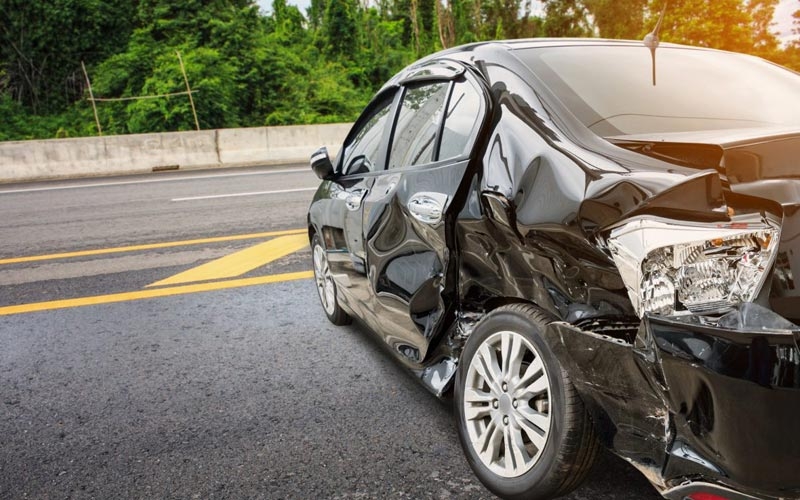
A smashed bumper. A bent frame. A soaked interior.
For many people, this image marks the end of a car’s life. Insurers call it a write-off. Owners move on. The vehicle disappears from daily roads.
Yet some of these cars return. They come back with fresh paint, rebuilt parts, and a legal place on Australian streets. These are salvaged cars, and their stories often surprise even long-time drivers.
This article looks at how salvaged cars move from damage to renewal. It explains the facts, the laws, the risks, and the reasons behind these comebacks. Every section stays focused on this journey alone.
What Does “Salvaged” Really Mean?
A salvaged car is a vehicle that an insurer has written off due to damage. This damage may come from a crash, flood, fire, hail, or theft recovery.
In Australia, write-offs fall into two groups.
Statutory Write-Offs
These cars have damage that makes them unsafe to repair. Structural harm, fire damage, or heavy water exposure often leads to this label. These vehicles can never return to the road. They are used only for parts or scrap.
Repairable Write-Offs
These cars have damage that can be fixed under strict rules. Once repaired and inspected, they may be registered again. Most comeback stories come from this group.
Both types appear on the Written-Off Vehicle Register, known as the WOVR.
Why Cars Get Written Off Even When They Look Fixable
Many people think a car is written off only when it looks destroyed. That belief misses key facts.
Insurers decide based on repair cost versus market price. If repair costs reach a set percentage of the car’s worth, the insurer writes it off. This can happen even when damage looks minor.
Airbags, sensors, and modern body panels raise repair bills. A low-speed crash can trigger high costs. Flood water can damage wiring hidden deep inside the car. Hail can damage hundreds of panels at once.
A car may still start and drive. Yet on paper, it becomes a write-off.
The Legal Path Back to the Road in Australia
A salvaged car does not return by chance. Australia has firm steps that must be followed.
Registration Rules
Each state and territory manages its own process. Still, the core steps remain similar.
The car must be repaired to meet safety standards. After repairs, it must pass a detailed inspection. This inspection checks structure, identity, and safety items.
If the car passes, authorities may allow registration. The WOVR record stays, so future buyers can see its history.
Skipping steps leads to fines and loss of registration.
The Human Side of Salvaged Car Comebacks
Behind every salvaged car is a person who made a choice.
Some are mechanics who see potential where others see loss. Some are owners who have emotional ties to their vehicles. Others restore cars as a learning path or side project.
One common story involves older models with low market prices but solid engineering. Owners choose repair because replacement costs more than repair work.
Another story comes from rare models. Limited editions or discontinued cars often return because parts and skill still exist.
These choices are not about shortcuts. They involve time, money, and patience.
Common Myths About Salvaged Cars
Many myths surround written-off vehicles. Clearing them helps readers understand reality.
Myth One: Salvaged Cars Are Always Unsafe
Safety depends on repair quality and inspection results. A repairable write-off that passes inspection meets legal safety rules.
Myth Two: They Can Never Be Registered
Repairable write-offs can return to the road if rules are followed.
Myth Three: They Have No Use at All
Even statutory write-offs supply parts. Engines, gearboxes, and panels often live on in other cars.
Risks That Buyers Must Understand
A comeback story does not erase risk.
Repaired cars may cost more to insure. Some insurers place limits or charge higher premiums.
Resale prices may be lower due to the write-off record. Buyers must read inspection reports and service history with care.
Hidden damage can appear if repairs were rushed. That risk rises when proper inspections are skipped.
Knowledge reduces risk. Ignorance increases it.
Environmental Impact of Salvaged Cars
Salvaged cars play a role in waste reduction.
Each repaired vehicle means fewer raw materials used for new cars. Steel, aluminium, and plastics require energy to produce.
Parts reuse also lowers landfill waste. Even when cars do not return to roads, their components support other vehicles.
This impact adds meaning to many restoration choices.
When Letting Go Makes Sense
Not every salvaged car should return.
Severe structural damage raises safety concerns. Flood damage may affect electronics for years. Repair costs can exceed long-term worth.
At this point, many owners decide to sell rather than repair. This choice still fits within the salvaged car story. It marks the final chapter rather than a return.
For owners thinking, Sell My Car Brisbane this moment often arrives after repair quotes and inspection advice.
A Logical Role for Vehicle Buyers in the Salvage Cycle
When repair no longer suits the situation, selling the vehicle supports the wider salvage process. This is where services such as Cash for Car Brisbane fit naturally into the story.
Such buyers take written-off or damaged vehicles and direct them into recycling, parts recovery, or lawful resale paths. This keeps unsafe cars off roads while allowing materials to be reused. For owners, this step closes the loop without leaving vehicles idle or abandoned. It forms part of the same journey that begins with damage and ends with either renewal or responsible disposal.
What These Comeback Stories Teach Us
Salvaged cars challenge fixed ideas about loss and worth.
They show how decisions depend on facts, not appearances. They highlight the role of law, inspection, and skill. They remind owners to weigh emotion against cost and safety.
From workshops to inspection bays, each comeback follows rules and effort. Some cars return to daily use. Others serve future vehicles through parts.
Either way, their story does not end at the crash scene.
Final Thoughts
From totaled to timeless, salvaged cars reflect second chances shaped by law, care, and choice. Their journeys are not shortcuts. They are structured paths with clear limits.
Understanding these stories helps buyers, sellers, and owners make informed decisions. It also builds respect for the systems that protect road users across Australia.

 Czech
Czech
 Arabic
 French
 Spanish
 Portuguese
 Deutsch
 Turkish
 Dutch
Dutch
 Italiano
 Russian
 Romaian
 Portuguese (Brazil)
 Greek
Greek