


 About SPORTIVO Network
Best Artificial Grass for Landscaping: A Complete Guide
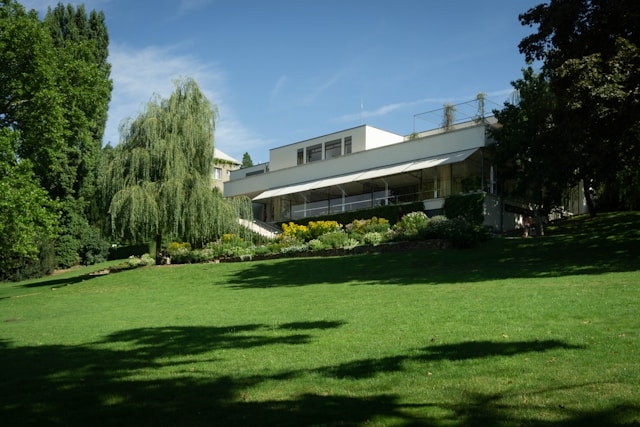
Landscaping plays a vital role in enhancing outdoor spaces, making them more functional, attractive, and enjoyable. In recent years, artificial grass has become one of the most popular landscaping solutions for homeowners and businesses alike. Designed to replicate the look and feel of natural grass, artificial turf offers a lush green appearance without the ongoing maintenance challenges of traditional lawns. This complete guide explores how to choose the best artificial grass for landscaping, its benefits, types, installation considerations, and long-term care.
Why Artificial Grass Is a Smart Landscaping Choice
Artificial grass for landscaping is widely chosen for its practicality and aesthetic appeal. One of its biggest advantages is low maintenance. Unlike natural lawns, artificial turf does not require mowing, watering, fertilizing, or weed control, saving time and ongoing costs.
Durability is another key benefit. High-quality artificial grass is designed to withstand heavy foot traffic, pets, and varying weather conditions while maintaining its appearance year-round. It is also an excellent solution for water conservation, as it eliminates the need for regular irrigation. This makes it particularly valuable in areas affected by drought or water restrictions.
Artificial grass performs well in all weather conditions, remaining green and intact regardless of heat, rain, or cold. It also reduces exposure to pests and eliminates the need for chemical treatments, creating a cleaner and more controlled outdoor environment.
Types of Artificial Grass for Landscaping
Choosing the right type of artificial grass is essential for achieving the desired balance between appearance, comfort, and durability.
Nylon turf is the most durable option and is well-suited for high-traffic areas. It maintains its shape under pressure and resists heat effectively, making it ideal for commercial spaces and active zones.
Polyethylene turf is the most popular choice for residential landscaping. It offers a soft, natural look and feel while being durable enough for moderate foot traffic. This type of turf is commonly used in home lawns, patios, and play areas.
Polypropylene turf is a more affordable option and is best suited for decorative landscaping or low-traffic areas. While it provides a neat appearance, it is less durable compared to nylon and polyethylene.
Some artificial grass products combine grass blades with thatch layers. This combination enhances realism by adding depth and texture, closely mimicking natural grass.
Key Features to Consider When Choosing Artificial Grass
Several features play a critical role in determining the quality and performance of artificial grass.
Pile height refers to the length of the grass blades. Shorter pile heights are suitable for decorative areas and walkways, while medium pile heights are ideal for general landscaping. Longer pile heights create a lush appearance but may require more maintenance to maintain shape.
Density and stitch rate determine how full and durable the turf looks. Higher density means more fibers per square inch, resulting in a thicker and more realistic lawn.
The backing material supports the grass blades and affects drainage. A high-quality backing with perforations allows water to flow through easily, preventing pooling and damage.
UV protection is essential to prevent fading and breakdown from sun exposure. High-quality artificial grass includes UV stabilizers to maintain color over time.
Color variation and texture also influence realism. Natural-looking turf typically includes multiple shades of green and subtle brown tones for a more authentic appearance.
Choosing Artificial Grass for Different Landscaping Needs
Different landscaping applications require different turf characteristics.
For residential lawns, medium pile height polyethylene turf offers a balance of comfort, durability, and natural appearance. It is suitable for families and everyday use.
Pet-friendly landscaping benefits from turf with excellent drainage and antimicrobial backing. Shorter pile heights make cleaning easier and help control odors.
Playgrounds and sports areas require durable turf that can handle constant activity. High-density nylon or reinforced polyethylene grass is ideal for these settings.
Balconies and rooftop gardens work best with lightweight turf and low pile height. Proper drainage is especially important in these areas to avoid water buildup.
Commercial landscaping requires strong backing, high durability, and UV resistance to maintain appearance under frequent use and exposure.
Installation Considerations for Long-Lasting Results
Proper installation is essential for ensuring artificial grass performs well over time. The process begins with clearing and leveling the ground, followed by installing a compacted base layer to provide stability and drainage.
A weed barrier helps prevent unwanted growth beneath the turf. Once the grass is laid out, it should be trimmed carefully to fit the space and secured along the edges. Some installations include infill materials such as sand to add weight, support the blades, and improve durability.
Brushing the turf after installation helps the fibers stand upright and enhances the natural look.
Maintenance Tips for Artificial Grass
Although artificial grass for lawns requires minimal upkeep, regular care helps extend its lifespan. Brushing the surface keeps the blades upright and prevents flattening. Removing leaves and debris maintains cleanliness and appearance.
Occasional rinsing with water helps remove dust and pollen. For pet areas, mild cleaning solutions can be used to prevent odors. Periodic inspection of edges ensures the turf remains securely in place.
Advantages and Limitations of Artificial Grass
Artificial grass offers many advantages, including year-round greenery, reduced maintenance, water conservation, and long-term durability. However, it does come with a higher initial cost and may feel warmer than natural grass in direct sunlight. Proper installation is essential to avoid drainage issues.
Environmental Impact
Artificial grass supports environmental sustainability by reducing water usage and eliminating chemical lawn treatments. Choosing high-quality products with recyclable components can further reduce environmental impact over time.
Conclusion
Artificial grass has transformed modern landscaping by offering a practical, attractive, and low-maintenance alternative to natural lawns. Selecting the best artificial grass involves understanding your landscaping needs, evaluating product features, and ensuring professional installation. When chosen and installed correctly, artificial grass provides a consistently green, durable, and visually appealing outdoor space that enhances both residential and commercial environments for years to come.

 Czech
Czech
 Arabic
 French
 Spanish
 Portuguese
 Deutsch
 Turkish
 Dutch
Dutch
 Italiano
 Russian
 Romaian
 Portuguese (Brazil)
 Greek
Greek