


 About SPORTIVO Network
Why Most Cannabis Tech Companies Ignore Print—and Why That’s a Mistake
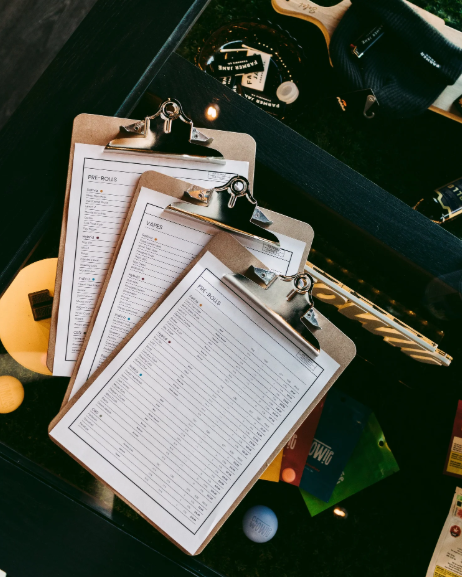
Let’s be totally honest for a second. The tech world is obsessed with the "next big thing." Everyone is chasing VR, AI-driven kiosks, and apps for everything. But in a dispensary? Sometimes all those pixels just become background noise. We’ve all been there—standing in a lobby, looking at a wall of flickering TVs, and feeling more confused than when we walked in. This is exactly why the shift toward high-quality cannabis retailers on their first look at BudSense has highlighted a glaring blind spot in the industry: most tech companies have completely ignored the power of print. It isn't just about being old-school; it’s about a standard of craft that fits into the actual, physical experience of shopping.
The Digital Fatigue is Real
If you’ve been in a shop lately, you know that not all menus are created equal. Not even close. There is a specific kind of frustration that comes with a digital screen that flips pages right when you’re trying to read the terpene profile of a strain. Tech companies love screens because they’re "flashy," but they often forget about the customer actually standing there.
But what’s the real difference with print? It’s the intentionality. A paper menu doesn't time out. It doesn't glare. It’s a tactile, "lean-in" experience that makes the ritual of choosing feel less like a "task" and more like a highlight of the day. We think that if you’re going to spend time picking out a product, the menu should actually be helpful. No squinting at small fonts across a room. No waiting for a slide to loop back. Just a clean, easy-to-read layout that respects your time.
The Manual Labor Trap
Most tech platforms treat print as an afterthought. They might give you a clunky PDF export that looks like a 1990s grocery store flyer. This leads to the "spreadsheet grind." You know the drill—inventory changes at noon, and by 1:00 PM, your paper menu is a graveyard of crossed-out items and Sharpie marks. It looks messy. It feels unprofessional.
We think the human approach to this is just being smart about automation. You shouldn't have to choose between "digital" and "up-to-date." You need your paper menus to sync directly to your POS. When you sell out of a flower, it should disappear from the next print run. Period. It’s about staying grounded and organized when the shop is moving way too fast. It turns a logistical nightmare into a five-minute task.
Why Tactile Marketing Still Wins
There is something deeply satisfying about a budtender handing you a physical menu. It creates a moment of connection that a screen just can't mimic. For many customers—especially those who might feel overwhelmed by the sheer volume of products—a curated paper list acts as a guide.
Think about the process. The clipboards. The binders. The "Staff Picks" section you can actually circle. It’s a moment of intentionality. For many shops, these small habits are what keep the gears turning smoothly. When the design is right, you don't need a lot of marketing fluff to prove it. The clarity speaks for itself. It helps the customer feel confident, and a confident customer is a happy customer.
Consistency: The Only Secret That Actually Matters
Ever walk into a store you love, only to find the menu is a total disaster compared to last week? We hate that. Consistency is how a brand shows it actually respects the person walking through the door.
-
No more manual data entry errors.
-
No more "I think we have this in the back" moments.
-
Just honest, real-time information on every page.
We prioritize the integrity of the menu because that’s what creates a customer who actually wants to come back. If the information isn't right, the trust is ruined. It’s that simple. By using automated print, you ensure that every guest gets the same high-level experience, whether it's their first visit or their fiftieth.
Conclusion: Bridging the Gap
Look, at the end of the day, your customer's time is your most valuable resource. How they spend those five minutes in your lobby matters. Most tech companies will tell you that the future is 100% digital, but they aren't the ones standing on the sales floor. Whether you’re a massive multi-state operator or a local shop just starting to refine your strategy, there is something deeply satisfying about a menu done the right way. If you’re ready to see what happens when real craft meets actual modern automation, it’s time to take a closer look at BudSense. Come see why everyone is talking about BudSense.
FAQs
Why is print still relevant in 2026?
Because people have digital fatigue. A physical menu allows for a focused, relaxed browsing experience that screens just can't replicate in a busy retail environment.
Is paper more work than digital?
Not with automation. If your menus sync to your inventory, printing a fresh batch takes less time than making a pot of coffee.
Can I customize the design?
Definitely. Your menu should look like your brand, not a generic template. You can change fonts, colors, and layouts to match your shop's vibe perfectly.
Does this work with my current POS?
Integration is the key to everything we do. By syncing with your Point of Sale, your menus stay accurate without any manual data entry.

 Czech
Czech
 Arabic
 French
 Spanish
 Portuguese
 Deutsch
 Turkish
 Dutch
Dutch
 Italiano
 Russian
 Romaian
 Portuguese (Brazil)
 Greek
Greek