


 About SPORTIVO Network
Addressing Common Legal Billing Errors With Technology
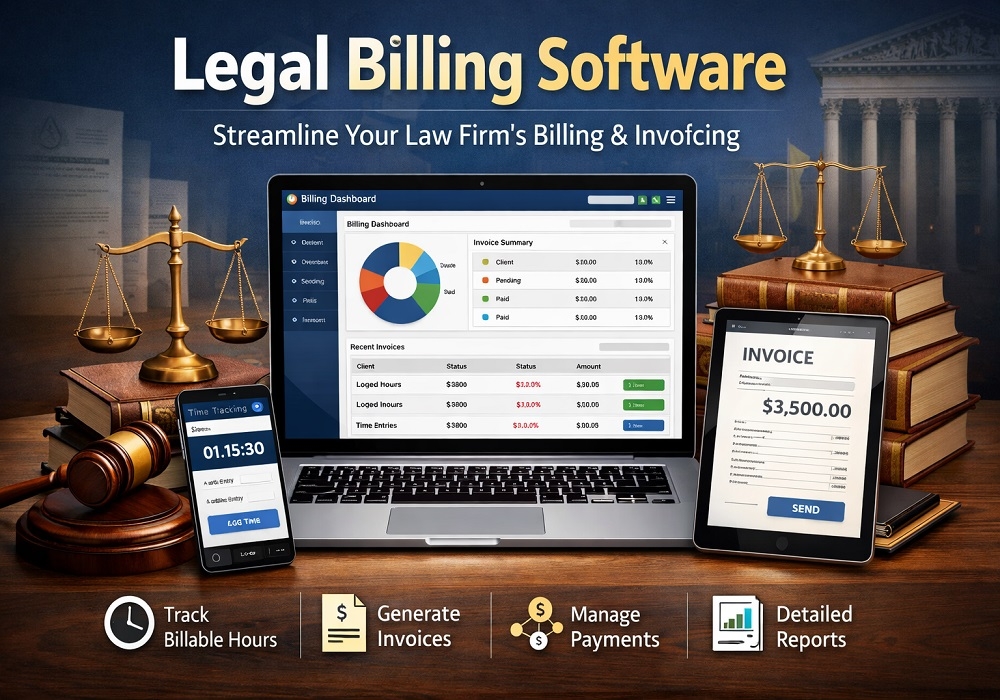
Billing errors are one of the fastest ways for law firms to lose client trust—and revenue. Even well-run firms struggle with inaccurate time entries, inconsistent invoices, and compliance issues that can trigger write-offs or disputes. As firms grow and matters become more complex, manual billing processes simply can’t keep up.
The good news? Modern legal billing software is designed specifically to eliminate these pain points. By combining automation, transparency, and compliance safeguards, technology helps firms bill accurately, ethically, and efficiently.
Why Legal Billing Errors Are So Common
Legal billing is uniquely complex. Firms must track time precisely, comply with client-specific billing guidelines, and ensure invoices meet ethical and regulatory standards outlined by organizations like the American Bar Association.
Common challenges include:
-
High administrative workload on attorneys and staff
-
Manual time tracking that relies on memory
-
Complex client billing rules (LEDES, rate caps, task codes)
-
Lack of real-time visibility into billing data
Without the right systems in place, small mistakes compound quickly.
The Most Common Legal Billing Errors—and How Technology Fixes Them
1. Inaccurate or Incomplete Time Tracking
Relying on handwritten notes or end-of-day reconstructions often leads to underbilling or overbilling. Missed minutes add up, while vague entries frustrate clients.
How technology helps:
Legal billing software offers real-time time tracking, mobile timers, and automated reminders. Attorneys can log work as it happens, resulting in more accurate, defensible billing entries.
Real-world example: A mid-sized litigation firm recovered thousands in previously unbilled time after switching to automated timers integrated with their case management system.
2. Duplicate or Missed Charges
Manual data entry increases the risk of duplicated line items or forgotten expenses—both of which can damage credibility.
How technology helps:
Automated billing systems flag duplicates and ensure all billable activities are captured. Expense tracking tools sync directly with matters, reducing reliance on memory or spreadsheets.
3. Non-Compliance With Client Billing Guidelines
Corporate and institutional clients often require strict adherence to billing formats, task codes, and rate structures. Non-compliant invoices are frequently rejected.
How technology helps:
Advanced legal billing software validates invoices against client rules before submission. This pre-billing compliance check dramatically reduces rejected invoices and delayed payments.
4. Inconsistent Invoice Formatting
Inconsistent or confusing invoices lead to client questions, delayed approvals, and disputes.
How technology helps:
Standardized invoice templates ensure consistency across matters while still allowing customization for client preferences. Clear, itemized invoices build trust and speed up collections.
5. Ethical and Regulatory Risks
Billing errors aren’t just inconvenient—they can raise ethical concerns if clients are overcharged or billed inaccurately.
How technology helps:
Audit trails, approval workflows, and transparent reporting support ethical billing practices and provide documentation if disputes arise. This aligns with professional responsibility standards and strengthens firm credibility.
Actionable Tips for Reducing Billing Errors With Legal Billing Software
To get the most value from your technology investment, consider these best practices:
-
Train attorneys and staff thoroughly on time entry and billing workflows
-
Set firm-wide billing standards within the software to ensure consistency
-
Use pre-bill review tools to catch errors before invoices go out
-
Leverage analytics dashboards to spot trends like frequent write-downs or delayed payments
-
Integrate billing with accounting and case management for a single source of truth
Technology as a Trust-Building Tool
Clients today expect transparency, accuracy, and professionalism—especially when it comes to invoices. Legal billing software doesn’t just prevent errors; it signals that your firm values accountability and efficiency.
By reducing disputes, speeding up collections, and ensuring compliance, technology allows attorneys to focus less on billing administration and more on delivering exceptional legal services.
Final Thoughts
Addressing common legal billing errors isn’t about working harder—it’s about working smarter. With the right legal billing software, firms can eliminate manual mistakes, protect client relationships, and create a more predictable revenue cycle.
In an industry where trust is everything, accurate billing supported by technology isn’t optional—it’s essential.

 Czech
Czech
 English
 Arabic
 French
 Spanish
 Portuguese
 Turkish
 Dutch
Dutch
 Italiano
 Russian
 Romaian
 Portuguese (Brazil)
 Greek
Greek