


 About SPORTIVO Network
Silent Car Restoration: A True Story of Passion and Precision
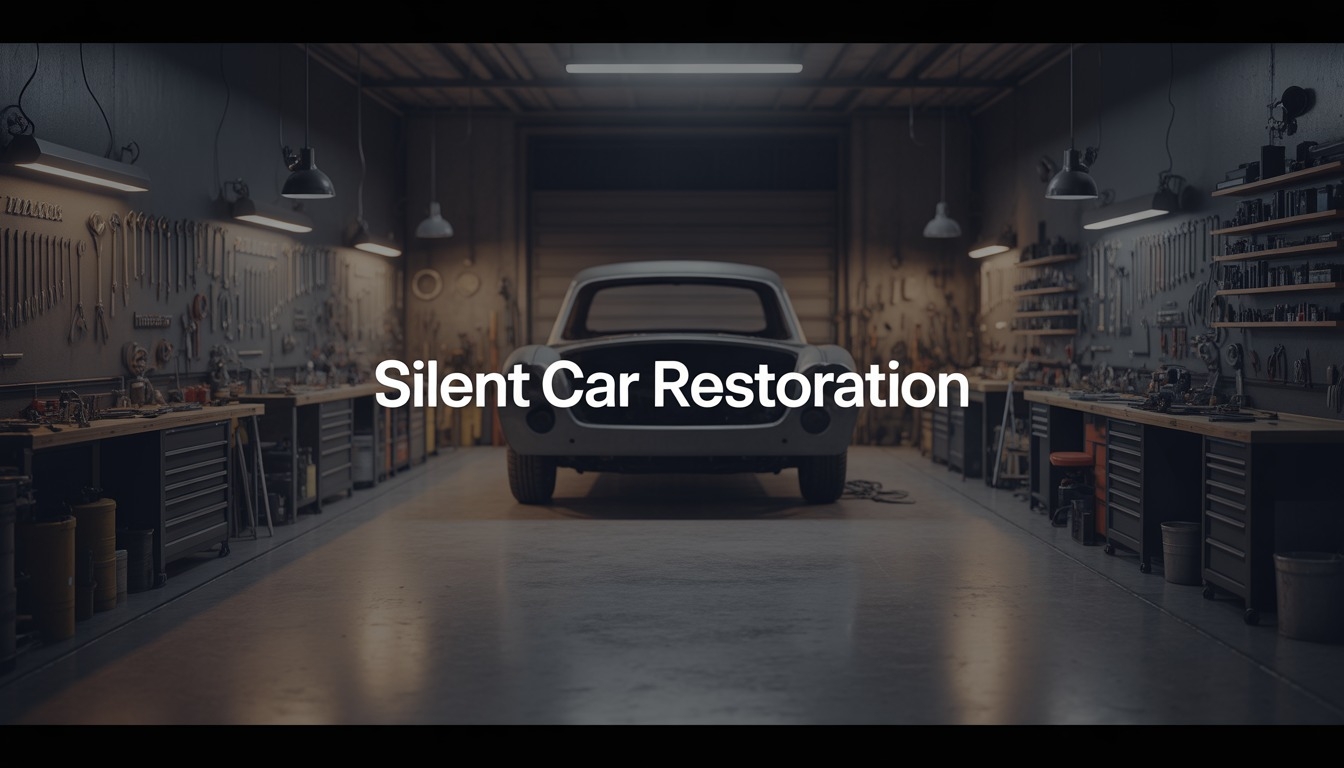
Some people see an old car and think about selling it for parts.
Others see something worth saving.
That difference comes down to two things: passion and precision.
Silent Car Restoration is built on both.
This is not about fast flips or loud projects. It’s about careful work. It’s about taking a car that has been sitting for years and rebuilding it step by step until it is strong again.
There is no shortcut to that process.
Where Passion Begins
Most restorations start with emotion.
Maybe the car reminds someone of their childhood.
Maybe it’s a model that is no longer made.
Maybe it simply deserves better than being left to rust.
Silent Car Restoration begins with that same mindset.
You don’t choose a neglected car because it’s easy. You choose it because you care about the result.
When you work on something for months, sometimes longer, passion is what keeps you going.
Without it, the project would stop halfway.
The First Look at the Car
Every project starts with inspection.
The car might look rough.
Paint faded.
Rust along the lower panels.
Interior worn and cracked.
Engine covered in dust.
But looks can be misleading.
Silent Car Restoration focuses first on structure.
Is the frame solid?
Are the mounting points strong?
Can the rust be repaired properly?
A good foundation makes restoration possible.
You don’t rush this stage. You look carefully. You plan before taking anything apart.
Precision starts here.
Taking It Apart With Care
Disassembly is more than removing parts.
It’s about keeping order.
Seats are removed carefully.
Trim pieces are labeled.
Wires are marked.
Bolts are sorted into containers.
Many people rush this part. That leads to missing parts and confusion later.
Silent Car Restoration handles teardown slowly and methodically.
Because precision during disassembly makes reassembly easier.
You are not just taking the car apart. You are preparing it for a clean rebuild.
Facing the Rust Honestly
Rust is the biggest challenge in most classic car projects.
It hides under paint.
It spreads under carpet.
It weakens metal from inside.
There is only one real solution: remove it fully.
Silent Car Restoration does not cover rust with filler. Damaged sections are cut out completely.
Fresh steel is shaped to match original lines. Welded carefully. Ground smooth.
This stage requires skill and patience.
One wrong measurement can affect panel alignment later. Precision matters in every cut and weld.
When the rust is gone and solid metal replaces it, the car feels strong again.
Rebuilding the Mechanical Systems
A car is more than its body.
Even if it looks perfect, it must run properly.
Old engines suffer from years of sitting. Oil dries out. Seals crack. Fuel systems clog.
Silent Car Restoration opens and inspects the engine carefully.
Worn components are replaced. Gaskets renewed. Timing adjusted correctly.
Clearances are measured, not guessed.
The same approach applies to brakes and suspension.
Brake lines are checked. Worn bushings replaced. Steering components inspected.
Precision in mechanical work ensures safety.
The goal is not just to make the engine start. It’s to make it reliable.
Electrical Work That Often Gets Ignored
Old wiring can create endless small problems.
Dim lights.
Faulty gauges.
Unreliable ignition.
Instead of ignoring these issues, Silent Car Restoration checks the electrical system carefully.
Damaged wires are repaired. Connections cleaned. Grounds secured.
Electrical precision prevents future breakdowns.
It may not be visible from outside, but it matters every time the key turns.
Body Preparation: The Slow Process
Paint gets attention, but preparation is where real effort goes.
After metal repair, the body must be straight.
Panels are aligned.
Surface imperfections corrected.
Primer applied.
Sanding repeated.
This part tests patience.
Silent Car Restoration doesn’t rush bodywork. A smooth finish requires careful preparation.
Precision here ensures the final paint reflects evenly without waves or flaws.
It’s quiet work. Repetitive. Necessary.
Paint That Respects the Car
When the surface is ready, paint is applied.
The right color brings the car’s shape back to life.
But restoration is not about overdoing it.
Silent Car Restoration usually respects the original look. The goal is to enhance the car’s character, not erase it.
Fresh paint protects the metal and completes the transformation.
The shine you see at the end is built on weeks of hidden effort.
Interior Restoration With Balance
Inside the car, time leaves its marks too.
Seats collapse.
Fabric tears.
Dashboards crack.
Interior work restores comfort and appearance.
Seat frames are repaired. New padding installed. Upholstery fitted carefully.
Gauges and controls are checked to make sure they work as they should.
Silent Car Restoration keeps balance in mind. The interior should feel refreshed, but still true to its era.
Precision in small details—like stitching and trim alignment—makes a big difference.
Reassembly: Where Everything Comes Together
Reassembly shows whether earlier steps were done correctly.
Every restored part goes back into place.
Engine mounted securely.
Glass installed with care.
Trim aligned properly.
Nothing should be forced.
If something doesn’t fit, it is adjusted, not ignored.
Silent Car Restoration treats this stage as final confirmation of quality work.
When panels line up and doors close solidly, you know the structure underneath is right.
The First Start and Drive
The first engine start after restoration is quiet and focused.
You listen carefully.
Oil pressure.
Idle speed.
Strange noises.
When the engine runs smoothly, it confirms the mechanical work was done properly.
The first drive is cautious.
Brakes tested.
Steering checked.
Suspension observed.
Small adjustments are normal.
But when the car drives straight and steady, the project feels complete.
Why Passion and Precision Matter
Restoration is not quick.
There are days when progress feels slow. Days spent sanding. Days spent measuring and adjusting.
Without passion, it would feel frustrating.
Without precision, it would fall apart later.
Silent Car Restoration shows that both are necessary.
Passion keeps the project moving.
Precision ensures it lasts.
What People Learn From Watching
Watching a full restoration teaches realistic expectations.
You learn that:
- Metal work requires accuracy.
- Mechanical rebuilding demands patience.
- Preparation takes longer than expected.
- Small details affect the final result.
Silent Car Restoration does not hide the slow parts.
That honesty makes the story real.
FAQs
What is Silent Car Restoration?
Silent Car Restoration focuses on rebuilding classic and neglected cars with careful, step-by-step work.
Why is precision important in restoration?
Small errors in metal work, engine assembly, or alignment can cause long-term problems. Precision ensures safety and durability.
Is restoration mainly about appearance?
No. True restoration includes structural repair, mechanical rebuilding, electrical work, and interior restoration.
How long does a project usually take?
It depends on the car’s condition. Many projects take months because quality work cannot be rushed.
Final Thoughts
Silent Car Restoration is not about dramatic reveals.
It is about steady effort.
A rusted, forgotten car becomes strong again through careful cuts, measured welds, rebuilt engines, and aligned panels.
Passion starts the project.
Precision finishes it.

 Czech
Czech
 Arabic
 French
 Spanish
 Portuguese
 Deutsch
 Turkish
 Dutch
Dutch
 Italiano
 Russian
 Romaian
 Portuguese (Brazil)
 Greek
Greek