


 About SPORTIVO Network
Understanding Skin Cancer Screening at Dermatech Polyclinic
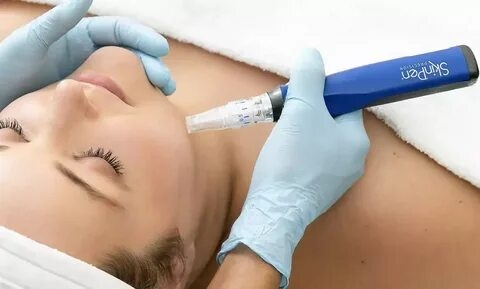
Skin cancer is one of the most common forms of cancer worldwide, yet it is also one of the most preventable and treatable when detected early. Regular skin cancer screening plays a crucial role in identifying suspicious lesions before they progress into advanced stages. At Dermatech Polyclinic, screening is not treated as a routine checkbox—it is approached as a structured, evidence-based preventive strategy designed to protect long-term skin health.
This comprehensive guide explores how Derma clinic Dubai conducts skin cancer screenings, why early detection matters, and what patients can expect from a professional dermatological evaluation.
Why Skin Cancer Screening Is Essential?
Skin cancer develops when abnormal skin cells grow uncontrollably due to DNA damage, often caused by ultraviolet (UV) radiation from the sun or tanning beds. The three most common types include:
• Basal cell carcinoma
• Squamous cell carcinoma
• Melanoma
Among these, melanoma is the most aggressive form but also highly treatable when detected early. Early-stage skin cancers often appear as subtle changes in moles, pigmentation, or skin texture, which can easily go unnoticed without professional evaluation.
Dermatech Polyclinic emphasizes proactive screening because early detection significantly increases treatment success rates while minimizing invasive procedures.
Who Should Consider Skin Cancer Screening?
While everyone can benefit from periodic skin checks, certain individuals are at higher risk and should prioritize regular screenings. These include:
• Individuals with fair skin or light-colored eyes
• People with a history of sunburns
• Those with numerous moles or atypical moles
• Individuals with a family history of skin cancer
• Patients with prolonged sun exposure due to occupation or lifestyle
Dermatech Polyclinic evaluates each patient’s risk profile to determine appropriate screening frequency.
The Dermatech Polyclinic Screening Model: A Step-by-Step Overview:
Unlike informal visual checks, Dermatech Polyclinic follows a systematic, medical-grade screening protocol to ensure thorough assessment and accuracy.
Step 1: Detailed Medical and Lifestyle History
The screening begins with a consultation. Dermatologists review:
• Personal and family history of skin cancer
• Sun exposure habits
• Tanning bed use
• Previous mole changes or biopsies
• Skin type and sensitivity
This foundational information helps guide the clinical examination.
Step 2: Full-Body Skin Examination
A comprehensive head-to-toe examination is performed in a professional setting. Dermatologists inspect:
• Scalp
• Face
• Neck
• Torso
• Arms and hands
• Legs and feet
• Nail beds
Special attention is given to areas commonly exposed to sunlight as well as hidden regions where lesions can develop unnoticed.
Step 3: Mole and Lesion Evaluation Using ABCDE Criteria
Dermatech Polyclinic uses the widely recognized ABCDE method to evaluate suspicious moles:
• A: Asymmetry
• B: Border irregularity
• C: Color variation
• D: Diameter larger than 6mm
• E: Evolving changes over time
Any mole exhibiting one or more of these characteristics may require closer examination or further diagnostic testing.
Advanced Diagnostic Tools for Enhanced Accuracy:
Dermatech Polyclinic may incorporate dermoscopy during screening. Dermoscopy is a non-invasive imaging technique that magnifies skin lesions, allowing dermatologists to examine patterns beneath the surface that are not visible to the naked eye.
This advanced evaluation improves diagnostic precision and reduces unnecessary biopsies. When necessary, a biopsy may be recommended to confirm diagnosis through laboratory analysis.
Understanding Biopsy Procedures:
If a suspicious lesion is identified, a biopsy is performed under local anesthesia. A small sample of tissue is removed and sent for histopathological examination.
Dermatech Polyclinic ensures that biopsies are conducted safely and comfortably. Results guide the next steps, which may include minor surgical removal or referral for specialized treatment if needed.
The Role of Preventive Education:
Screening at Dermatech Polyclinic extends beyond examination. Patient education is a key component of their preventive dermatology approach.
Patients receive guidance on:
• Monthly self-examinations at home
• Recognizing warning signs
• Proper sunscreen application
• Protective clothing choices
• Avoiding peak UV exposure hours
Education empowers patients to participate actively in early detection between professional visits.
Frequency of Skin Cancer Screening:
The recommended frequency of screening varies based on individual risk factors.
• Average-risk individuals may benefit from annual screening.
• High-risk individuals may require biannual or more frequent evaluations.
Dermatech Polyclinic personalizes follow-up schedules to ensure optimal monitoring.
Addressing Common Myths About Skin Cancer:
Many people delay screening due to misconceptions. Dermatech Polyclinic addresses these common myths:
My moles haven’t changed, so I don’t need screening.
Subtle changes may not be noticeable without professional assessment.
I use sunscreen, so I’m not at risk.
While sunscreen reduces risk, it does not eliminate it entirely.
Skin cancer only affects older adults.
Skin cancer can develop at any age, especially with cumulative sun exposure.
Dispelling these myths encourages proactive care.
Early Detection Saves Lives:
The survival rate for early-stage melanoma is significantly higher compared to advanced-stage diagnosis. By identifying abnormal growths early, treatment can be less invasive and more effective.
Dermatech Polyclinic prioritizes early detection as a life-saving measure rather than waiting for symptoms to become obvious.
What to Expect During Your Appointment?
Patients often feel anxious before a screening, but the process is straightforward and professional.
• The examination is painless.
• The appointment typically lasts 20–30 minutes.
• Privacy and comfort are prioritized.
• Clear explanations are provided throughout the process.
Dermatologists ensure patients feel informed and reassured at every step.
Long-Term Monitoring and Digital Documentation:
Dermatech Polyclinic may maintain detailed records of moles and lesions for comparison over time. Monitoring subtle changes across visits allows dermatologists to detect early warning signs more effectively.
This long-term tracking enhances diagnostic accuracy and builds a personalized skin health record.
Integrating Screening Into Preventive Dermatology:
Skin cancer screening is not a standalone service—it is part of Dermatech Polyclinic’s broader preventive dermatology philosophy. Regular check-ups, sun protection strategies, and early intervention work together to maintain healthy skin for life.
By integrating technology, clinical expertise, and patient education, the clinic ensures that prevention remains the cornerstone of care.
Final Thoughts:
Understanding skin cancer screening is the first step toward protecting yourself from one of the most common yet preventable cancers. Early detection dramatically improves outcomes, and professional evaluation ensures that no warning sign goes unnoticed.
Dermatech polyclinic structured, evidence-based approach to screening combines detailed examination, advanced diagnostic tools, personalized risk assessment, and patient education. This comprehensive strategy not only detects potential concerns early but also empowers individuals to take control of their skin health.
Regular skin checks are not just medical appointments—they are proactive investments in your long-term well-being. With expert guidance and consistent monitoring, maintaining healthy, cancer-free skin becomes a realistic and achievable goal.

 Czech
Czech
 English
 Arabic
 Spanish
 Portuguese
 Deutsch
 Turkish
 Dutch
Dutch
 Italiano
 Russian
 Romaian
 Portuguese (Brazil)
 Greek
Greek