


 About SPORTIVO Network
Nante Portable Distribution Box Buying Guide
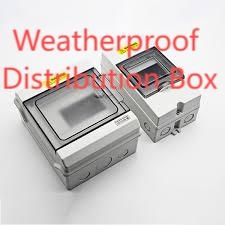
Portable power solutions have become indispensable across events, construction sites, and emergency responses, and many teams rely on a Portable Distribution Box to centralize power feeds while keeping setup times short. In this piece I’ll walk through design choices, safety practices, and procurement tips that help operations get reliable portable power without sacrificing flexibility or safety.
Compact Design and Practical Portability
A well-designed portable distribution unit balances ruggedness with manageable weight. Enclosures should be easy to carry or wheel, with handles or integrated frames that protect vulnerable connectors. Thoughtful compartmentalization keeps high-voltage circuits separate from control and signal lines, reducing interference risk and simplifying troubleshooting. Designers frequently include modular breakers or fuse holders so that field repairs can be performed quickly with common tools. For mobile crews, quick-release panels and labeled terminals speed up deployment and reduce human error during hectic installations.
Electrical Safety and Standards Compliance
Safety must be the foremost criterion when selecting portable power equipment. Look for clearly marked protective devices — circuit breakers, RCDs (residual current devices), and thermal protection — matched to the intended load. Adequate creepage and clearance distances inside the enclosure prevent arcing, while proper earthing arrangements reduce stray voltage risks. Compliance with regional standards (such as IEC, NEC, or local electrical codes) provides a baseline for performance and inspection. Don’t underestimate the importance of cable management: strain reliefs and secure routing keep terminations intact during transport and service.
Deployment Scenarios and Use Cases
Portable distribution boxes serve a wide range of environments. In outdoor event settings, weatherproofing and locking lids protect connections from rain and accidental tampering. On construction sites, units must tolerate dust, vibration, and occasional impacts — features like reinforced corners and impact-resistant plastics are valuable. For disaster-response teams, rapid reconfiguration and compatibility with generators or vehicle-mounted supplies are priorities; standardized connector types and color-coding simplify matching supplies to critical loads. Knowing the common use cases helps you specify the right mix of outlets, amperages, and protection levels.
Maintenance, Inspection, and Training
Routine inspection keeps portable power equipment reliable. Establish a simple checklist that includes visual housing inspection, verification of breaker function, torque checks on terminal screws, and continuity testing of earth connections. Keep a record of each unit’s service history and any repairs, which helps with warranty claims and end-of-life planning. Training is equally important: even high-quality equipment can fail if operators don’t understand limitations such as derating in high ambient temperatures or the dangers of parallel connections without synchronizing equipment.
Procurement Strategy and Lifecycle Costs
When purchasing portable distribution equipment, consider total cost of ownership rather than unit price alone. Factor in spare parts availability, lead times for replacements, and the vendor’s support for modular upgrades. Robustly built enclosures and standardized footprints reduce the need to replace entire units if a single component fails. Ask suppliers for sample units or loaner periods so your team can trial installations under real conditions. Keep configuration records — part numbers, wiring diagrams, and protective device settings — in your asset management system to prevent ordering mistakes later.
In short, the right portable power solution combines thoughtful ergonomics, proven safety features, and a procurement strategy that prioritizes long-term value. With good selection, disciplined maintenance, and clear operating procedures, portable distribution equipment becomes a dependable asset rather than a recurring headache. For product details and specifications, visit https://www.nante.com/product/

 Czech
Czech
 English
 Arabic
 French
 Spanish
 Portuguese
 Deutsch
 Dutch
Dutch
 Italiano
 Russian
 Romaian
 Portuguese (Brazil)
 Greek
Greek