


 Android App
 About SPORTIVO Network
How FSD Certification Helps Maintain Fire and Life Safety Compliance
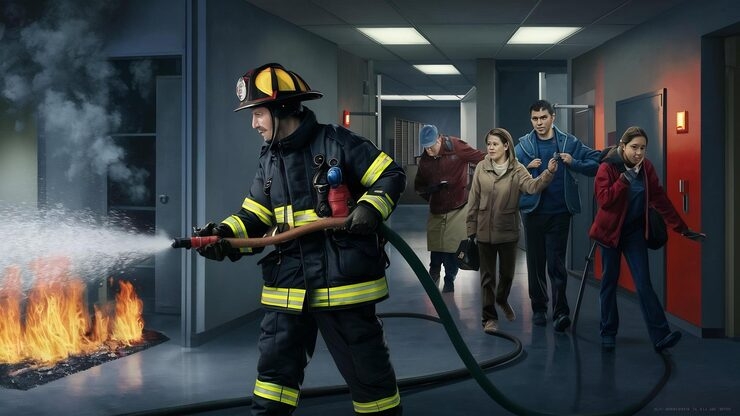
In today’s world, fire and life safety standards are more important than ever—especially in high-occupancy buildings, commercial facilities, residential towers, hotels, and institutions where large groups of people rely on trained professionals to guide them during emergencies. This is why the FSD certification (Fire and Life Safety Director Certification) has become a critical requirement across New York City. It ensures that buildings follow FDNY regulations, maintain safe environments, and remain prepared for both fire and non-fire emergencies.
But how exactly does the FSD certification contribute to maintaining compliance and protecting occupants? This blog explores the crucial role certified fire and life safety directors play in keeping buildings safe and in meeting state and city regulatory standards.
Understanding the Importance of FSD Certification
The FSD certification is an FDNY-regulated credential designed for individuals who oversee fire safety operations, emergency planning, incident response, and compliance procedures in commercial and high-rise buildings. These professionals are responsible for creating safe environments and ensuring that both staff and occupants know how to react during emergencies.
To support this mission, training providers like KTI NYC offer structured courses that equip candidates with the knowledge and skills needed to meet FDNY requirements and effectively handle real-world emergency situations.
1. Ensures Buildings Meet FDNY Safety Regulations
One of the most important ways FSD certification supports compliance is by ensuring that buildings adhere to FDNY rules. Certified individuals are trained to understand and implement:
-
Fire safety codes
-
Emergency Action Plan (EAP) guidelines
-
Building evacuation standards
-
Fire alarm and suppression system requirements
Without a certified fire and life safety director, buildings risk violations, penalties, and safety concerns. FSD-certified professionals help organisations stay compliant year-round.
2. Strengthens Emergency Preparedness and Response
Fire, smoke conditions, medical emergencies, active shooter threats, and system failures can happen without warning. The FSD certification prepares candidates to:
-
Identify hazards early
-
Respond to incidents immediately
-
Guide occupants during evacuations
-
Coordinate with FDNY and emergency responders
This leadership is essential for minimising injuries and preventing chaos during emergencies. Trained directors ensure that every response follows FDNY standards and building procedures.
3. Enhances Building-Specific Safety Planning
Every building is unique—whether it is a commercial tower, hotel, residential property, or corporate office. FSD-certified individuals understand how to create and maintain building-specific safety plans, including:
-
Evacuation maps
-
Stairwell and egress plans
-
Fire alarm response procedures
-
Communication protocols
-
Shelter-in-place instructions
By tailoring safety plans to each property, fire and life safety directors help buildings stay compliant and prepared for all types of incidents.
4. Helps Maintain Fire and Life Safety Logs and Documentation
Compliance is not just about actions—it also requires proper documentation. Individuals with FSD certification are trained to:
-
Maintain fire drill logs
-
Monitor safety equipment inspections
-
Document incidents
-
Track training attendance
-
Maintain emergency communication records
These documents are essential for FDNY audits and inspections. Proper record-keeping ensures transparency, improves safety, and prevents violations.
5. Ensures Regular Fire Drills and Staff Training
A major part of compliance is ensuring that building occupants and staff know what to do in an emergency. FSD-certified professionals oversee:
-
Fire drills
-
EAP drills
-
Staff training sessions
-
Safety refresher programmes
Routine drills help maintain a culture of preparedness, reduce panic during real incidents, and keep the building aligned with FDNY guidelines.
6. Improves Communication and Coordination During Emergencies
Clear, calm communication saves lives. A certified fire and life safety director acts as the primary point of contact during emergencies. They relay information between:
-
Building occupants
-
Fire wardens
-
Security teams
-
Emergency responders
-
FDNY personnel
The FSD certification prepares candidates for this leadership role, teaching them how to communicate quickly, accurately, and professionally during critical situations.
7. Supports Risk Prevention and Hazard Identification
Another key benefit of FSD certification is proactive risk management. Certified professionals regularly inspect buildings for:
-
Blocked exits
-
Faulty fire alarms
-
Damaged extinguishers
-
Wiring hazards
-
Poor signage
-
System malfunctions
Identifying problems early prevents emergencies and ensures that buildings remain compliant with safety codes at all times.
8. Reduces Legal & Operational Risks for Building Owners
Non-compliance can lead to the following:
-
FDNY fines
-
Business interruptions
-
Failed inspections
-
Insurance issues
-
Legal liabilities
FSD-certified personnel help buildings avoid these risks by ensuring complete compliance and implementing industry-standard safety procedures. This provides peace of mind for both tenants and property owners.
9. Creates a Culture of Safety in the Workplace
With proper leadership, buildings develop a strong safety culture. This includes:
-
Awareness of safety protocols
-
Better cooperation among staff
-
Smooth evacuation procedures
-
Improved readiness for non-fire emergencies
Individuals with FSD certification play a key role in educating staff and promoting safe practices across the workplace.
10. Builds Professional Credibility and Career Growth
For safety professionals, earning the FSD certification expands career opportunities dramatically. Certified individuals can pursue roles such as:
-
Fire and Life Safety Director
-
Building Safety Manager
-
EAP Director
-
Risk Management Specialist
-
Safety Compliance Officer
Employers prefer certified candidates because they bring proven knowledge and are ready to handle emergencies confidently.
Conclusion
Maintaining fire and life safety compliance is a critical responsibility for any building—and the FSD certification is the foundation of that compliance. It ensures that trained professionals are available to supervise safety operations, conduct emergency drills, manage fire incidents, and ensure that FDNY regulations are met.
With expert-led training from KTI NYC, candidates gain the skills, confidence, and credentials needed to excel in this essential field. Whether you're starting a new career or advancing your current role, FSD certification is a powerful step toward protecting lives and supporting safer workplaces.

 Czech
Czech
 English
 Arabic
 French
 Spanish
 Portuguese
 Deutsch
 Turkish
 Dutch
Dutch
 Italiano
 Russian
 Romaian
 Greek
Greek