


 Android App
 About SPORTIVO Network
Which Skin Types Achieve the Best Results with Laser Stretch Mark Therapy?
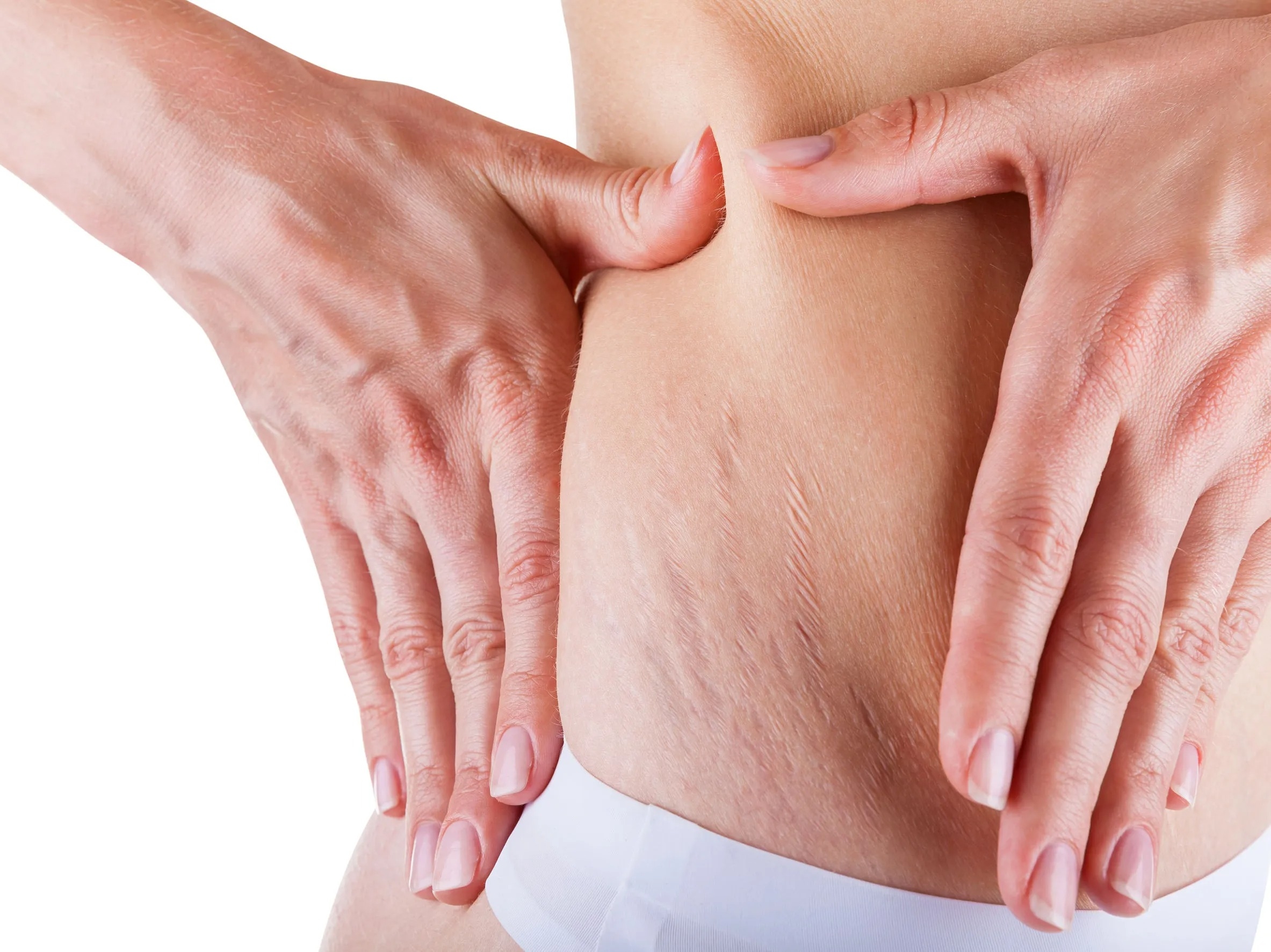
Stretch marks are a common skin concern that affects people of all ages, genders, and body types. While they are harmless, many seek ways to reduce their appearance for smoother, more even skin. One of the most effective options available today is laser therapy. Understanding which skin types respond best to this treatment can help individuals set realistic expectations and maximize their results. If you are considering Laser Stretch Marks Treatment in Dubai, knowing how your skin type influences outcomes is essential.
Understanding Skin Types
Skin types are generally categorized based on the Fitzpatrick scale, which ranges from Type I to Type VI. This scale measures how skin responds to sun exposure and pigmentation changes. Each skin type has unique characteristics that can affect how laser treatments perform:
- Type I and II: Fair skin that burns easily with minimal tanning.
- Type III and IV: Medium skin tones that tan gradually and have moderate sensitivity.
- Type V and VI: Darker skin tones that rarely burn and have higher melanin content.
Laser therapy works by targeting damaged skin layers and stimulating collagen production, which gradually improves texture and elasticity. However, the amount of melanin in the skin affects how safely and effectively certain lasers can be used.
Best Skin Types for Laser Stretch Mark Therapy
Patients with lighter to medium skin tones (Types I-IV) often achieve the most visible and consistent results with laser stretch mark therapy. These skin types respond well because there is a lower risk of hyperpigmentation or uneven skin tone post-treatment. The laser can precisely target the stretch marks without affecting the surrounding skin, allowing for more controlled collagen remodeling.
Individuals with medium skin tones may also see significant improvement, although treatment plans may require more sessions to ensure optimal results. The key advantage here is the balance between melanin protection and laser penetration, which helps achieve smoother, rejuvenated skin.
Considerations for Darker Skin Types
Darker skin types (Types V-VI) can still benefit from laser stretch mark therapy, but additional precautions are necessary. Higher melanin levels increase the risk of pigment changes, so lasers with longer wavelengths are often preferred. These penetrate deeper into the skin without causing excessive surface damage.
Patients with darker skin should expect a more gradual improvement, sometimes requiring more sessions. Pre- and post-treatment care, including sun protection and skin conditioning, is crucial to prevent complications and maintain results.
Age and Skin Elasticity Factors
While skin type is a major determinant of results, age and skin elasticity also play significant roles. Younger skin with higher collagen levels tends to respond faster and more effectively to laser therapy. Older skin or areas with less elasticity may require additional sessions or combined treatments for optimal outcomes.
Additionally, the age of the stretch marks matters. Recent, red or pink stretch marks respond better to laser therapy than older, white or silver ones. This is because newer marks still contain blood vessels that the laser can target, making collagen stimulation more effective.
Lifestyle and Skincare Routine
Supporting laser therapy with a healthy lifestyle can significantly improve results. Proper hydration, balanced nutrition, and regular skin moisturization contribute to enhanced skin elasticity. Using gentle exfoliation and skin-repairing creams can also complement the effects of laser treatments.
Maintaining realistic expectations and understanding that multiple sessions may be required is crucial. Patience combined with consistent care often leads to the best long-term improvements in skin texture and appearance.
Choosing the Right Laser Technology
Not all lasers are suitable for every skin type. Fractional CO2 lasers, pulsed dye lasers, and Nd:YAG lasers each have specific benefits depending on skin tone and the type of stretch marks. The choice of laser should be tailored to minimize risks and maximize effectiveness. Lighter skin types may benefit from a broader range of lasers, while darker skin types require options that reduce the risk of pigmentation changes.
Final Thoughts on Skin Type and Laser Therapy
In summary, Enfield Royal Clinic tends to deliver the most noticeable results for fair to medium skin types. Darker skin tones can also achieve significant improvement with proper laser selection and care, though results may be slower. Age, elasticity, and the age of the stretch marks further influence outcomes, while lifestyle habits can enhance long-term benefits.
Understanding your skin type and working with appropriate laser technology ensures a safer experience and optimal results. With the right approach, laser therapy can effectively reduce stretch marks, restore confidence, and reveal smoother, rejuvenated skin.

 Czech
Czech
 English
 Arabic
 French
 Spanish
 Portuguese
 Turkish
 Dutch
Dutch
 Italiano
 Russian
 Romaian
 Portuguese (Brazil)
 Greek
Greek