


 About SPORTIVO Network
How to Evaluate Home Safety Before Hiring Elderly Care
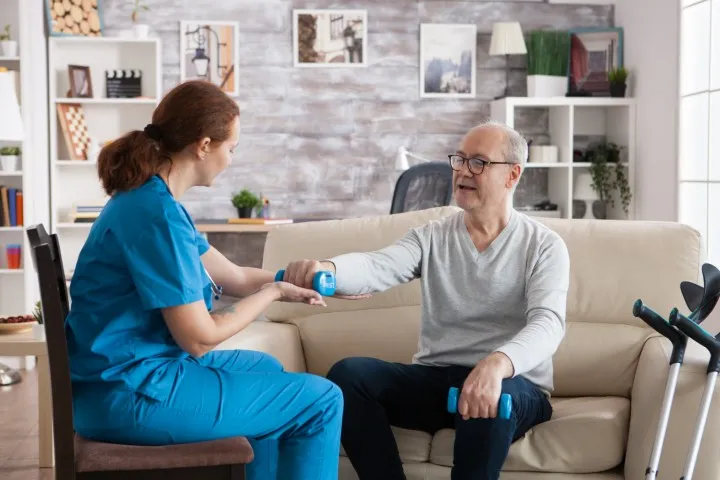
Ensuring a safe home environment is one of the most important steps before bringing in professional care for an elderly loved one. A well-prepared space not only protects seniors from potential hazards but also allows caregivers to provide support more effectively. Before hiring help, families should carefully assess the living environment to identify risks and make necessary improvements. This proactive approach enhances comfort, reduces accidents, and ensures that Senior care services can be delivered smoothly and efficiently.
Understanding the Importance of Home Safety:
Home safety plays a critical role in preventing injuries and maintaining a senior’s independence. Many accidents, such as falls or burns, occur within the home and can have serious consequences. Evaluating safety beforehand creates a secure environment that supports both the senior and the caregiver:
- Reduces the risk of falls and injuries
- Promotes confidence and independence
- Ensures a safer caregiving experience
- Minimizes emergency situations
- Improves overall quality of life
Assessing Fall Hazards:
Falls are one of the leading causes of injury among seniors, making it essential to identify and eliminate potential risks. A thorough inspection of the home can help uncover hidden dangers that may not be immediately obvious:
- Remove loose rugs or secure them with non-slip backing
- Clear clutter from walkways and hallways
- Ensure floors are even and free of obstacles
- Install handrails on stairs and in hallways
- Use non-slip mats in bathrooms and kitchens
Evaluating Bathroom Safety:
Bathrooms are high-risk areas due to slippery surfaces and limited support structures. Making safety improvements in this space can significantly reduce the likelihood of accidents:
- Install grab bars near the toilet and shower
- Use non-slip mats in the bathtub or shower
- Consider a walk-in shower or tub
- Add a shower chair for stability
- Ensure easy access to toiletries and essentials
Checking Lighting and Visibility:
Proper lighting is essential for preventing accidents and helping seniors navigate their home safely. Poor visibility can increase the risk of trips and falls, especially during nighttime:
- Install bright lighting in all rooms
- Use nightlights in hallways and bathrooms
- Ensure light switches are easily accessible
- Replace dim or flickering bulbs
- Consider motion-sensor lighting for convenience
Reviewing Kitchen Safety:
The kitchen can present various hazards, including burns, spills, and sharp objects. Ensuring a safe kitchen environment helps seniors maintain independence while reducing risks:
- Keep frequently used items within easy reach
- Install anti-slip mats on the floor
- Ensure appliances are in good working condition
- Use easy-to-handle utensils and cookware
- Organize storage to avoid unnecessary bending or reaching
Ensuring Bedroom Comfort and Accessibility:
A safe and comfortable bedroom is essential for restful sleep and easy mobility. Making adjustments in this space can improve both safety and convenience:
- Ensure the bed is at an appropriate height
- Keep a lamp or light within reach
- Remove clutter around the bed
- Place essential items nearby
- Use supportive mattresses and pillows
Securing Entryways and Exits:
Entryways and exits should be safe and easily accessible to prevent accidents and ensure quick evacuation in emergencies. Proper modifications can enhance both safety and convenience:
- Install sturdy handrails near steps
- Ensure pathways are well-lit and clear
- Use non-slip surfaces on outdoor steps
- Check door locks for easy operation
- Consider ramps if mobility is limited
Evaluating Electrical and Fire Safety:
Electrical hazards and fire risks can pose serious dangers, especially for seniors with limited mobility or memory challenges. A safety check can help prevent potential emergencies:
- Inspect wiring and outlets for damage
- Avoid overloading electrical sockets
- Install smoke detectors and test them regularly
- Keep fire extinguishers accessible
- Ensure easy access to emergency contact numbers
Considering Assistive Devices and Technology:
Modern tools and assistive devices can greatly enhance home safety and support independence. Evaluating the need for these solutions can make caregiving more effective:
- Install emergency alert systems
- Use mobility aids such as walkers or canes
- Consider smart home devices for monitoring
- Add stairlifts if needed
- Use medication reminder systems
Preparing the Home for Caregiver Support:
A well-organized home environment helps caregivers perform their duties efficiently and safely. Preparing the space ensures that both the senior and caregiver can work together comfortably:
- Create clear pathways for easy movement
- Designate areas for caregiving tasks
- Ensure access to essential supplies
- Communicate specific safety concerns
- Maintain a clean and organized environment
Final Thoughts:
Evaluating home safety before hiring professional help is a crucial step in ensuring effective and reliable care. By identifying risks and making necessary adjustments, families can create a secure and supportive environment for their loved ones. This preparation not only enhances the effectiveness of Senior care services but also promotes independence, comfort, and peace of mind for everyone involved. A safe home is the foundation for quality care and a better life for seniors.

 Czech
Czech
 Arabic
 French
 Spanish
 Portuguese
 Deutsch
 Turkish
 Dutch
Dutch
 Italiano
 Russian
 Romaian
 Portuguese (Brazil)
 Greek
Greek