


 About SPORTIVO Network
Granny Horror Escape Guide With Strategy, Stealth, And Survival
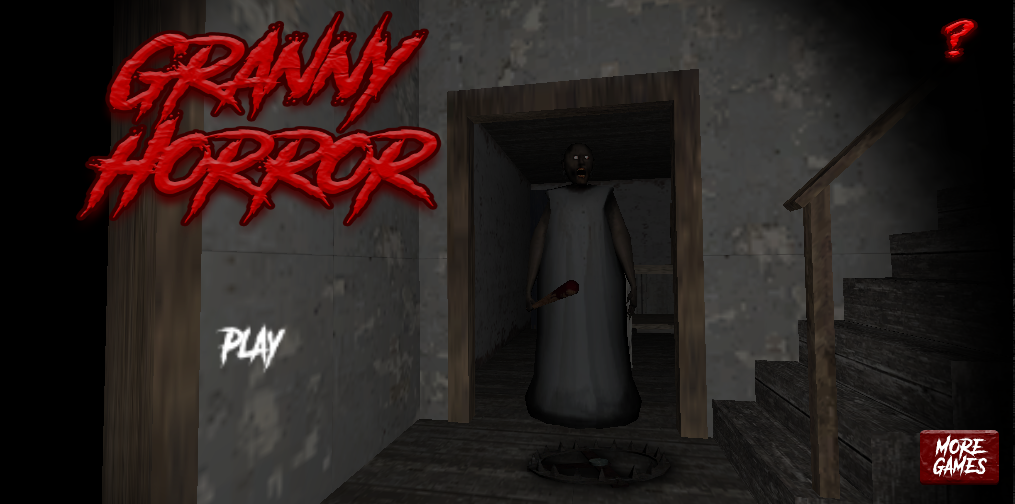
Introduction to the terrifying world of Granny
Granny is a horror survival game that places players inside a locked house filled with danger and tension. The main goal is simple but intense: escape within five days while avoiding a terrifying enemy that reacts to every sound. The environment feels claustrophobic, and every movement can lead to discovery. Silence, patience, and careful planning become the keys to survival.
The design focuses on fear through simplicity. There are no complex combat systems or flashy mechanics. Instead, the experience relies on atmosphere, sound, and limited resources. Every creak of the floor or accidental drop of an item can alert Granny and trigger a chase. This creates constant pressure and forces players to think before every action.
Core gameplay mechanics and survival rules
Movement and stealth strategies
Movement in Granny requires extreme caution. Walking slowly reduces noise, while running increases the chance of detection. Players must learn to move quietly across different surfaces, as wooden floors tend to produce louder sounds compared to carpets.
Hiding is an essential mechanic. Beds, wardrobes, and dark corners provide temporary safety. However, hiding is not always a guaranteed solution. Granny can sometimes check common hiding spots, especially after hearing suspicious noises. This forces players to rotate hiding places and avoid predictable behavior.
Another important aspect involves crouching and positioning. Staying out of sight behind objects can prevent detection even when Granny is nearby. Awareness of line of sight plays a major role in survival.
Sound as a central mechanic
Sound is one of the most important elements in Granny. Dropping objects, stepping on traps, or knocking over furniture can create noise that attracts danger. Even opening doors too quickly can produce a noticeable sound.
Players must learn to control interactions carefully. For example, placing items gently instead of dropping them reduces noise. Planning routes in advance helps avoid unnecessary movement and accidents.
Silence creates tension, but also safety. Understanding how sound works turns the game from chaotic panic into a controlled survival experience.
Limited time and increasing pressure
The five-day limit adds urgency. Each mistake costs valuable time. Getting caught results in losing a day, which reduces chances of escape. This system encourages careful decision making rather than reckless exploration.
As days pass, pressure increases. Players often feel rushed to complete objectives, which can lead to errors. Managing time efficiently while staying calm becomes a crucial skill.
Exploring the house and solving puzzles
Layout and environmental design
The house in Granny acts as both a puzzle and a trap. Multiple floors, hidden rooms, and locked doors create a maze-like structure. Players must memorize the layout to move efficiently and avoid dead ends.
Secret passages and shortcuts provide opportunities for quick escape. Discovering these hidden paths can turn a dangerous situation into a successful retreat. Exploration is rewarded, but always carries risk.
Lighting also plays a role. Dark areas can hide movement, but they can also make navigation more difficult. Balancing visibility and concealment becomes part of the strategy.
Key items and puzzle progression
Escape requires collecting specific items such as keys, tools, and codes. Each item unlocks new areas or reveals additional clues. The challenge lies in finding these items while avoiding detection.
Items are often placed in random locations, which increases replay value. Players cannot rely on memory alone and must adapt to each new attempt. This randomness keeps the experience fresh and unpredictable.
Combining items correctly is essential. For example, a tool may open access to a locked section, which then leads to another required object. Progression feels like a chain of interconnected tasks that gradually lead toward freedom.
Traps and hazards
The house contains traps that can hinder progress. Bear traps can immobilize movement, creating a high risk of capture. Removing or avoiding these traps requires careful attention.
Some hazards are environmental, such as noisy objects or fragile items that can fall. These elements force players to remain alert at all times. Even a small mistake can lead to serious consequences.
Understanding trap placement and behavior helps reduce risk. Experienced players learn to anticipate danger and move accordingly.
Strategies for escaping successfully
Planning efficient routes
A successful escape often depends on route planning. Players should identify safe paths between key locations. Moving aimlessly increases noise and exposure to danger.
Mapping the house mentally helps in quick decision making. Knowing where to go during a chase can mean the difference between survival and failure. Practicing movement routes improves confidence and efficiency.
Shortcuts and alternative paths should always be considered. Flexibility allows players to adapt when a planned route becomes unsafe.
Managing risk and reward
Every action in Granny involves risk. Searching for items in dangerous areas may provide progress but also increases chances of detection. Players must weigh the importance of each move.
Sometimes, retreating is the best option. Escaping from a risky situation and returning later can preserve valuable time. Patience often leads to better outcomes than rushing.
Balancing exploration and caution creates a steady progression toward escape.
Learning from mistakes
Failure is part of the experience. Each capture provides new information about behavior patterns and house layout. Instead of frustration, players can treat mistakes as learning opportunities.
Observing movement patterns of Granny helps predict reactions. Over time, players develop a deeper understanding of how to avoid detection and handle unexpected situations.
Improvement comes gradually. Persistence leads to mastery.
Psychological elements and player experience
Fear through minimalism
Granny creates fear without relying on complex visuals. The simplicity of design enhances imagination. Limited sound effects and sudden appearances create strong emotional reactions.
The absence of background music increases tension. Silence amplifies every small noise, making each action feel significant. This design choice keeps players constantly alert.
Fear is not just about jump scares. It comes from uncertainty and lack of control.
Tension and decision making
The game places players in continuous tension. Every decision carries weight, and hesitation can lead to danger. This creates a unique psychological experience where players must stay focused.
Stress builds over time, especially when close to escaping. The final moments often feel the most intense, as one mistake can undo all progress.
This constant pressure makes success feel rewarding and memorable.
Replay value and challenge
Randomized item placement and multiple escape methods provide high replay value. Each playthrough offers a slightly different experience. Players can experiment with new strategies and approaches.
Difficulty settings also affect gameplay. Higher difficulty increases challenge by making Granny more sensitive to sound and more aggressive in behavior.
This variety keeps the game engaging over time.
Conclusion and final thoughts
Granny delivers a focused and intense horror survival experience. The combination of stealth, puzzles, and psychological tension creates a unique ga

 Czech
Czech
 English
 Arabic
 French
 Spanish
 Portuguese
 Turkish
 Dutch
Dutch
 Italiano
 Russian
 Romaian
 Portuguese (Brazil)
 Greek
Greek