


 Android App
 About SPORTIVO Network
Closed Loop Referral System: The Future of Smart Growth
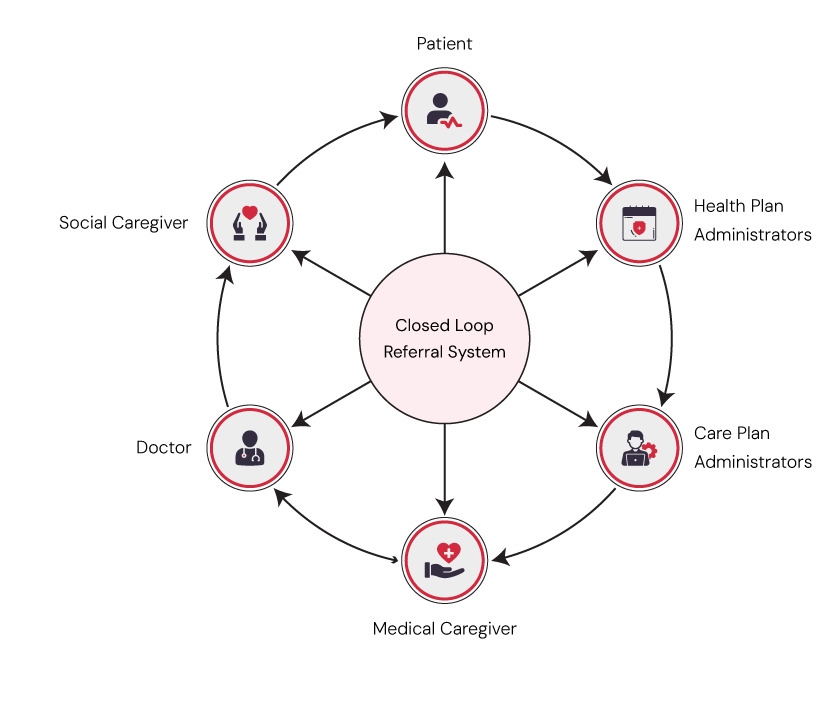
In today’s competitive digital landscape, businesses are constantly searching for smarter ways to grow sustainably. One of the most powerful yet underutilized strategies is the Closed Loop Referral System—a structured approach that not only tracks referrals but also closes the feedback loop to ensure continuous improvement and measurable outcomes. Unlike traditional referral programs that operate in silos, this system integrates data, communication, and automation to create a seamless experience for both organizations and their advocates.
Understanding the Concept of a Closed Loop Referral System
A Closed Loop Referral System is more than just a referral program—it’s a complete ecosystem. It ensures that every referral is tracked from the moment it is made to the final outcome, whether it results in a conversion, engagement, or long-term relationship.
The “closed loop” aspect refers to the continuous feedback cycle. Once a referral is processed, insights are fed back into the system, enabling businesses to refine their strategies, improve engagement, and reward participants effectively. This creates a self-sustaining loop of growth and optimization.
Why Traditional Referral Systems Fall Short
Many organizations rely on outdated referral methods that lack transparency and accountability. These systems often:
-
Fail to track referrals accurately
-
Provide limited visibility into outcomes
-
Lack proper communication between stakeholders
-
Offer delayed or inconsistent rewards
As a result, participants lose motivation, and businesses miss out on valuable opportunities. A Closed Loop Referral System addresses these gaps by ensuring that every step is monitored and optimized.
Key Components of a Closed Loop Referral System
To fully understand its effectiveness, it’s important to break down the essential components:
1. Centralized Tracking
Every referral is logged in a unified system, allowing businesses to monitor progress in real time. This eliminates confusion and ensures accountability.
2. Automated Workflows
Automation plays a crucial role in streamlining processes. From sending notifications to assigning tasks, automated workflows reduce manual effort and improve efficiency.
3. Feedback Mechanisms
Feedback is the backbone of a closed loop system. By collecting insights at every stage, businesses can identify what works and what doesn’t.
4. Performance Analytics
Detailed analytics provide actionable insights into referral performance. This helps organizations make data-driven decisions and refine their strategies.
5. Reward and Recognition Systems
A well-designed reward structure keeps participants engaged and motivated. Timely recognition encourages continued participation and loyalty.
Benefits of Implementing a Closed Loop Referral System
Adopting a Closed Loop Referral System can transform the way businesses approach growth. Here are some of the most significant benefits:
Enhanced Transparency
With complete visibility into the referral process, all stakeholders remain informed and aligned. This builds trust and improves collaboration.
Improved Conversion Rates
By tracking and optimizing every step, businesses can significantly increase their conversion rates. The system ensures that no opportunity is overlooked.
Stronger Relationships
A closed loop approach fosters better communication and engagement with participants, leading to stronger and more meaningful relationships.
Data-Driven Decision Making
Access to real-time data allows businesses to make informed decisions, reducing guesswork and improving outcomes.
Scalable Growth
As the system becomes more efficient, it can easily scale to accommodate increasing volumes of referrals without compromising performance.
How SocialRoots Enhances Closed Loop Referral Systems
Platforms like SocialRoots take the concept of a Closed Loop Referral System to the next level by offering advanced tools and features designed for modern organizations.
Their solution focuses on:
-
Seamless integration with existing workflows
-
Real-time tracking and reporting
-
Customizable referral processes
-
Automated communication channels
By leveraging such platforms, businesses can implement a robust system without the complexities typically associated with manual processes.
Practical Use Cases Across Industries
A Closed Loop Referral System is versatile and can be applied across various industries. Here are a few examples:
Nonprofits and Associations
Organizations can track member referrals, measure engagement, and improve community participation. This leads to stronger networks and increased impact.
Healthcare
Healthcare providers can manage patient referrals more efficiently, ensuring timely care and improved patient outcomes.
Corporate Businesses
Companies can use referral systems to identify new clients, recruit talent, and build partnerships, all while maintaining transparency and accountability.
Education Sector
Educational institutions can streamline student referrals, track enrollment outcomes, and enhance collaboration between departments.
Steps to Build an Effective Closed Loop Referral System
Creating a successful system requires careful planning and execution. Here’s a step-by-step approach:
Define Clear Objectives
Start by identifying what you want to achieve. Whether it’s increasing conversions or improving engagement, having clear goals is essential.
Choose the Right Technology
Invest in a platform that supports automation, tracking, and analytics. This forms the foundation of your system.
Design the Referral Process
Map out each stage of the referral journey, from initiation to completion. Ensure that the process is simple and user-friendly.
Implement Feedback Loops
Collect feedback at every stage to identify areas for improvement. This is crucial for maintaining the “closed loop.”
Monitor and Optimize
Regularly analyze performance data and make necessary adjustments. Continuous optimization is key to long-term success.
Common Challenges and How to Overcome Them
While the benefits are clear, implementing a Closed Loop Referral System can come with challenges:
Resistance to Change
Employees and stakeholders may be hesitant to adopt new systems. Providing training and demonstrating value can help overcome this barrier.
Data Management Issues
Handling large volumes of data can be overwhelming. Using advanced analytics tools can simplify this process.
Maintaining Engagement
Keeping participants motivated requires consistent communication and attractive incentives.
By addressing these challenges proactively, businesses can ensure a smooth implementation process.
The Future of Referral Systems
As technology continues to evolve, referral systems are becoming more sophisticated. Artificial intelligence, machine learning, and predictive analytics are shaping the future of Closed Loop Referral Systems.
These advancements will enable:
-
More accurate predictions of referral success
-
Personalized experiences for participants
-
Enhanced automation and efficiency
-
Deeper insights into customer behavior
Businesses that embrace these innovations will gain a significant competitive advantage.
Final Thoughts
A Closed Loop Referral System is not just a tool—it’s a strategic approach to growth. By integrating tracking, feedback, and optimization, businesses can unlock new opportunities and achieve sustainable success.
In an era where data and relationships are paramount, adopting such a system is no longer optional—it’s essential. Organizations that invest in this approach will not only improve their referral processes but also build stronger connections and drive long-term value.

 Czech
Czech
 English
 Arabic
 Spanish
 Portuguese
 Deutsch
 Turkish
 Dutch
Dutch
 Italiano
 Russian
 Romaian
 Portuguese (Brazil)
 Greek
Greek