


 Android App
 About SPORTIVO Network
The Strategic Evolution of Midday Professional Dining
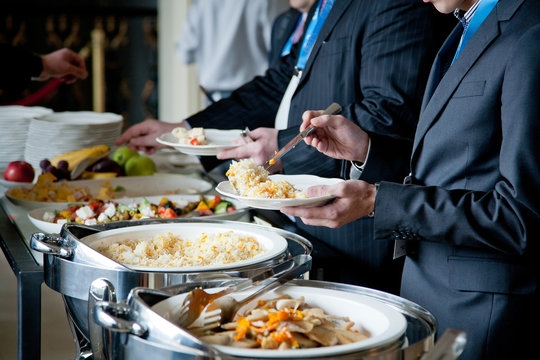
The traditional landscape of the corporate breakroom is undergoing a sophisticated transformation. For decades, the midday meal in a professional setting was viewed as a mere functional necessity—a brief pause in production to refuel. However, as organizational cultures evolve to prioritize employee well-being and collaborative synergy, the importance of a high-caliber culinary program has moved to the forefront of operational strategy. A thoughtfully executed meal serves as a vital cognitive reset, offering a sensory break that can determine the trajectory of an afternoon’s productivity.
Moving beyond the era of uninspired deli trays requires a commitment to "clean fuel." The modern professional workforce is increasingly attuned to the relationship between diet and mental clarity. Heavy, processed options that lead to a post-meal lethargy are being replaced by vibrant, nutrient-dense menus that focus on sustained energy release. By integrating seasonal produce, complex grains, and lean proteins, an organization can turn a routine lunch into a strategic advantage. This shift toward quality reflects a broader corporate trend: treating the team as a collection of high-performance individuals who deserve artisanal standards.
Engineering the High-Performance Menu
The architecture of a successful professional meal is built on balance and digestibility. To maintain mental acuity, a menu must avoid excessive simple sugars and heavy saturated fats. Instead, the focus should be on "brain foods" such as fatty fish, walnuts, and dark leafy greens. For instance, a citrus-marinated salmon paired with a chilled quinoa and pomegranate salad provides the necessary omega-3s and complex carbohydrates to fuel complex problem-solving. This approach ensures that guests leave the table feeling energized rather than weighed down.
Texture and flavor diversity also play a critical role in satisfaction. Incorporating a variety of mouthfeels—the crunch of toasted pepitas, the creaminess of a whipped feta spread, or the snap of blanched snap peas—keeps the palate engaged. When a meal is visually stimulating and culinarilly complex, it serves as a legitimate mental break, allowing employees to return to their desks with a refreshed perspective. A menu that respects the physiological needs of the professional is a menu that directly supports the company’s bottom line.
Navigating the Logistics of Dietary Inclusivity
In the modern workplace, a "one-size-fits-all" approach to food is no longer viable. Inclusivity is a core professional value, and it must extend to the dining table. A sophisticated program treats vegan, gluten-free, and allergen-specific requirements as integral parts of the menu design rather than as an afterthought. This seamless integration ensures that every team member, regardless of their dietary choices or medical needs, can enjoy the meal without the social friction of asking for "special" accommodations.
Achieving this level of inclusivity requires a move toward modular menu design. For example, a Mediterranean-inspired spread can be naturally gluten-free and plant-forward, with high-quality proteins served as an optional addition. This allows for maximum flexibility and ensures that the majority of the spread is safe for a diverse group. Clear, professional labeling is the final touch, providing guests with the transparency they need to navigate the meal with confidence and autonomy.
The Cultural Impact of Communal Professional Meals
The shared table is perhaps the most effective "social glue" within an organization. It is the one space where hierarchical boundaries naturally dissolve, allowing for spontaneous cross-departmental dialogue. When a team gathers to enjoy a high-quality meal, the conversation often shifts from rigid task-oriented updates to more creative, open-ended brainstorming. These informal interactions are frequently the birthplace of innovation, as they allow for the free exchange of ideas in a low-pressure environment.
Investing in a premium lunch catering program is a clear signal from leadership that the team’s time and health are valued. It fosters a sense of belonging and community that is difficult to replicate through digital channels. In an era where hybrid work models are common, providing a compelling, high-quality dining experience acts as a powerful incentive for teams to gather in person. It creates a "destination" culture within the office, making the physical workspace a site of connection and hospitality.
Aesthetics and the Branding of Internal Hospitality
Every touchpoint in a business environment is an opportunity for branding, and the midday meal is a powerful one. The aesthetic presentation of the food should reflect the organization’s commitment to excellence. This means moving away from disposable plastics and toward sustainable, elegant serving ware. The use of natural textures, such as wood and slate, combined with vibrant, colorful food arrangements, creates a sensory experience that resonates with both employees and visiting clients.
The "theater of service" is equally important. A well-organized layout that minimizes bottlenecks and flows logically from greens to proteins to refreshments demonstrates a high level of operational foresight. When the dining area is treated with the same level of care as a client-facing presentation, it reinforces a company culture that prizes quality in every facet of its existence. This attention to detail builds internal pride and projects an image of a cohesive, high-functioning organization.
Sustainability and Ethical Sourcing in Food Service
Modern professionals are increasingly concerned with the environmental footprint of their consumption. A forward-thinking food program must address these concerns through ethical sourcing and waste management. Prioritizing local farmers and seasonal ingredients not only ensures a fresher, more flavorful product but also supports the local economy and reduces transport emissions. Transparency regarding the origin of the ingredients adds a layer of narrative and integrity to the meal.
Waste reduction is the other essential pillar of sustainable dining. Efficient planning and portion control, guided by professional expertise, can significantly reduce the volume of surplus food. Furthermore, the use of compostable or reusable packaging ensures that the convenience of the meal does not come at an environmental cost. When a company aligns its dining habits with its broader sustainability goals, it strengthens its reputation as a responsible corporate citizen.
Professional Solutions for Seamless Group Dining
The logistics of managing food for a large professional group involve a level of precision that goes beyond simple cooking. It requires expertise in temperature control, food safety, and high-volume delivery. Outsourcing this responsibility to a specialized partner allows a business to focus on its core objectives while ensuring a flawless hospitality experience. A dedicated provider brings a level of consistency and professionalism that is difficult to achieve with in-house resources.
A professional service acts as a strategic consultant, helping to tailor the menu to the specific tone and goals of the event. Whether it is a celebratory milestone or a high-stakes board meeting, the food should be a seamless extension of the event’s purpose. By leveraging a provider that understands the nuances of the professional world, organizations can ensure a high-value experience that reflects their own standards of excellence and leaves a lasting impression on every guest.
Conclusion
The evolution of professional dining from a functional necessity to a strategic asset is a hallmark of the most successful modern firms. By focusing on nutritional integrity, inclusive design, and impeccable presentation, an organization transforms its daily break into a powerful engine for culture and productivity. A thoughtful menu does more than satisfy hunger; it feeds the ambition and the morale of the entire team.
As the boundaries of the traditional office continue to blur, these moments of physical gathering will become even more vital. They are the touchpoints that define a company’s character and its commitment to its people. Investing in the quality of the shared table is a tangible act of leadership that pays dividends in loyalty, creativity, and collective success.

 Czech
Czech
 English
 Arabic
 French
 Spanish
 Portuguese
 Deutsch
 Turkish
 Italiano
 Russian
 Romaian
 Portuguese (Brazil)
 Greek
Greek