


 Android App
 About SPORTIVO Network
Laser Treatment for Melasma: What Works and What Doesn’t
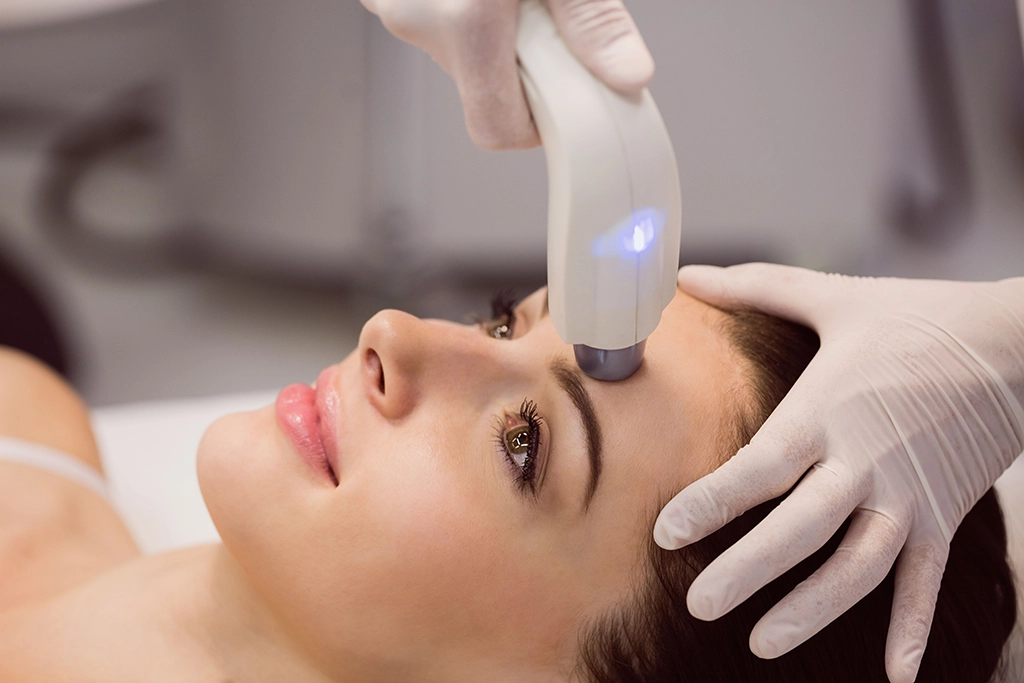
Melasma is a common pigmentation disorder that often appears as brown or gray-brown patches on the face, particularly on the cheeks, forehead, and upper lip. Many patients seeking Laser Treatment in Riyadh are eager to understand which laser therapies are effective and which approaches may be less reliable. Understanding the science behind melasma and the mechanisms of different lasers can help patients achieve better outcomes and avoid complications.
Understanding Melasma:
Melasma is caused by overactive melanocytes producing excess pigment in the skin:
-
Often triggered by sun exposure, hormonal changes, or genetics
-
Appears as symmetrical, dark patches on the face
-
More common in women and individuals with darker skin tones
-
Can be chronic and prone to recurrence
Effective treatment requires a careful, targeted approach rather than a one-size-fits-all solution.
How Lasers Work for Melasma:
Lasers target pigment in the skin to break it down for natural removal:
-
Laser energy is absorbed by melanin, fragmenting pigment particles
-
The body’s lymphatic system gradually clears the pigment
-
Treatments are usually non-ablative to minimize skin irritation
-
Multiple sessions are often required for noticeable results
While lasers can reduce pigmentation, careful selection and technique are crucial to avoid worsening melasma.
Lasers That Work Well:
Certain laser types are more effective for melasma when combined with proper care:
-
Q-switched Nd:YAG lasers: Safely target deeper pigment with minimal surface damage
-
Picosecond lasers: Ultra-fast pulses shatter pigment for better clearance
-
Fractional non-ablative lasers: Stimulate collagen while reducing pigment
-
Low-fluence, multiple-pass techniques: Reduce risk of post-inflammatory hyperpigmentation
These methods are most effective when performed by experienced dermatologists.
Lasers That Don’t Always Work:
Not all laser treatments are suitable for melasma:
-
Ablative CO₂ lasers: Can trigger inflammation and worsen pigmentation
-
High-energy single-pass lasers: Increase risk of burns and post-inflammatory hyperpigmentation
-
IPL without caution: May overheat the skin, causing flare-ups
Selecting inappropriate lasers can make melasma more resistant and increase recurrence.
Treatment Process and What to Expect:
Laser sessions for melasma are generally quick and tolerable:
-
Skin is cleansed and a topical anesthetic may be applied
-
Protective eyewear ensures safety during treatment
-
Low-energy pulses are applied across pigmented areas
-
Multiple sessions spaced several weeks apart maximize results
Proper technique and patience are key for effective pigment reduction.
Number of Sessions Needed:
Melasma often requires ongoing management:
-
Mild cases may respond in 3–4 sessions
-
Moderate to severe cases can require 6–8 sessions
-
Maintenance treatments help prevent recurrence
-
Results vary based on skin type, sun exposure, and hormonal factors
Realistic expectations are essential to avoid disappointment.
Post-Treatment Care:
Post-care plays a critical role in preventing recurrence and protecting results:
-
Daily broad-spectrum sunscreen to block UV-induced pigmentation
-
Avoiding direct sun exposure for several weeks
-
Gentle skincare with moisturizers and anti-inflammatory products
-
Topical pigment inhibitors may be recommended by your dermatologist
Consistent post-care enhances laser effectiveness and reduces flare-ups.
Combining Lasers with Other Treatments:
Laser therapy is often most effective when combined with complementary strategies:
-
Topical treatments containing hydroquinone, azelaic acid, or tranexamic acid
-
Chemical peels for gentle exfoliation and pigment control
-
Microneedling in select cases to improve topical absorption
-
Lifestyle adjustments, including sun protection and hormonal management
A multi-modal approach increases the chances of long-term melasma control.
Choosing a Professional Clinic in Riyadh:
Proper expertise is critical to successful treatment:
-
Licensed dermatologists experienced in treating melasma
-
Access to advanced laser technologies tailored to skin type
-
Customized treatment plans and careful follow-up
-
Safe, accredited clinics that prioritize patient comfort and outcomes
Professional care maximizes results while minimizing the risk of worsening pigmentation.
Final Thoughts:
Laser treatment can be a powerful tool in managing melasma, but success depends on careful laser selection, technique, and diligent post-care. Laser Treatment in Riyadh provides access to expert dermatologists and advanced technologies capable of reducing pigment safely and effectively. Combining laser therapy with sun protection, topical treatments, and lifestyle adjustments offers the best chance for long-lasting, even-toned skin.

 Czech
Czech
 English
 Arabic
 French
 Spanish
 Portuguese
 Deutsch
 Turkish
 Dutch
Dutch
 Russian
 Romaian
 Portuguese (Brazil)
 Greek
Greek