


 Android App
 About SPORTIVO Network
What Are the Best Surface Cleaners for Removing Dried Henna from Tables and Floors?
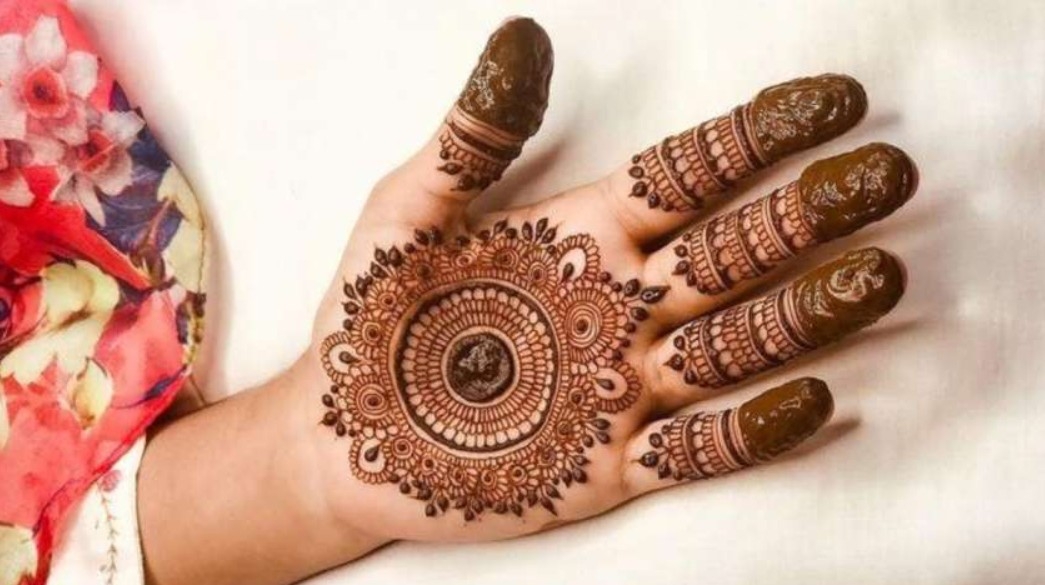
Henna artistry is a beautiful and intricate craft, but as any professional artist or enthusiast knows, it can be incredibly messy. Henna paste is designed to stain skin deeply, and unfortunately, it is just as effective at staining porous and non-porous surfaces like wooden tables, laminate flooring, and marble tiles. When a smudge goes unnoticed and dries into a hard crust, the dye molecules—known as lawsone—penetrate the surface material, leaving behind a stubborn orange or reddish-brown mark. Dealing with these stains requires a specific approach that balances chemical power with surface safety to ensure your workspace remains professional and pristine after every session.
Immediate Action and the Science of Henna Stains
The most effective way to manage henna spills is to catch them before the paste dries. Henna works through a process of oxidation; as the paste sits, it releases dye into whatever it is touching. If you drop paste on a table, wiping it up immediately with a damp microfiber cloth is usually enough to prevent a permanent mark. However, once the paste has dried, it creates a physical bond with the surface. At this stage, simply wiping with water won't work because the dye has already begun to migrate into the finish of the floor or table. Understanding that you are dealing with an organic dye is the first step in selecting a cleaner that can break those chemical bonds without stripping the varnish off your furniture.
Household Solvents for Non-Porous Surfaces
For hard, non-porous surfaces like glass or high-gloss plastic, simple household solvents are often the best starting point. Isopropyl alcohol (rubbing alcohol) is a highly effective solvent for organic dyes. By applying a small amount to a cotton ball and rubbing the dried henna in a circular motion, you can often lift the stain relatively quickly. Another surprising but effective cleaner is high-quality white vinegar. The acetic acid in vinegar helps to break down the vegetable matter in the henna paste. For particularly stubborn spots on tile floors, a paste made of baking soda and a small amount of water can provide the gentle abrasion needed to lift the pigment without scratching the underlying material.
Dealing with Porous Wood and Stone
When henna hits a porous surface like unsealed wood or natural stone, the challenge increases significantly. These materials have "pores" that drink in the liquid dye, pulling the stain deep below the surface. In these instances, you may need to use a hydrogen peroxide solution. Hydrogen peroxide acts as a mild bleaching agent that can target the lawsone molecules specifically. It is vital to test this on an inconspicuous area first, as it can occasionally lighten the natural color of the wood. For stone floors, a specialized pH-neutral stone cleaner is recommended to avoid etching the surface, though you may need to let the cleaner sit on the stain for several minutes to draw the pigment out of the stone’s microscopic crevices.
Professional Development and Henna Education
Maintaining a clean and professional studio environment is a small but vital part of being a successful henna artist. Beyond cleaning, the way an artist manages their space often reflects the training they have received and the traditions they follow. Many artists find that their techniques for both application and studio management are deeply rooted in how they were first introduced to the craft. For those interested in the cultural transmission of these skills, it is worth exploring What intergenerational teaching methods effectively pass henna artistry skills within families or communities? to see how traditional knowledge translates into modern professional practice. This broader understanding of the art form helps professionals appreciate the importance of preserving their tools and workspaces for the next generation of artists.
Heavy-Duty Industrial Cleaners for Studios
In high-traffic henna studios or at large festival events, household cleaners may not be fast enough to keep up with the pace of work. In these cases, commercial-grade oxygen-based cleaners are the preferred choice. Products containing sodium percarbonate are excellent because they release oxygen when mixed with water, which physically lifts the stain out of the surface. For those who want to reach this professional standard, completing a henna course often provides insights into the best industrial supplies used by experts. Magic erasers (melamine foam) are also a staple in the kits of many professional artists. These sponges act like extremely fine sandpaper, physically "sanding" the stain away at a microscopic level. They are particularly effective for white laminate tables and vinyl flooring, though they should be used sparingly on high-gloss finishes to avoid creating dull spots in the light.
Preventing Stains with Protective Barriers
The old adage that an ounce of prevention is worth a pound of cure holds especially true in henna work. Rather than constantly searching for the perfect cleaner, many artists choose to protect their surfaces beforehand. Using heavy-duty silicone mats or disposable wax paper on tables can catch drips before they ever touch the furniture. For flooring, many artists use area rugs that are specifically chosen because their dark patterns hide stains well. Furthermore, ensuring your henna paste has the right consistency—creamy rather than runny—can significantly reduce the frequency of "splatter" and drips during the application process, making the eventual cleanup much faster and less stressful for the artist and the client.
Final Cleanup and Workspace Sanitization
After the visible henna stains are removed, the final step is a complete sanitization of the area. Because henna is applied to the skin, maintaining a hygienic workspace is paramount for preventing cross-contamination. Using a standard disinfectant spray or a diluted bleach solution (on bleach-safe surfaces) ensures that your table is ready for the next client.

 Czech
Czech
 English
 Arabic
 French
 Spanish
 Deutsch
 Turkish
 Dutch
Dutch
 Italiano
 Russian
 Romaian
 Portuguese (Brazil)
 Greek
Greek