


 About SPORTIVO Network
Exploring Glycopeptides: Structure, Function, and Custom Synthesis
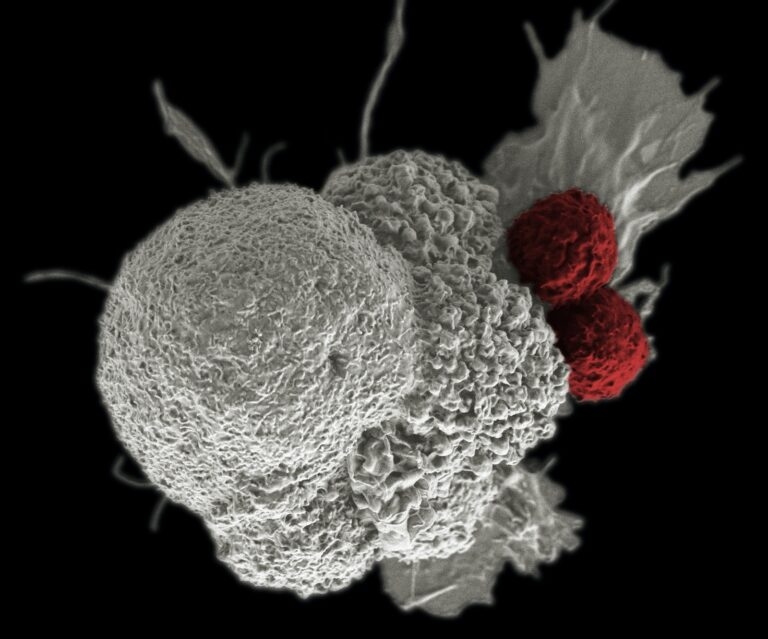
What Are Glycopeptides?
Glycopeptides are polypeptides (amino acid molecules) that contain carbohydrates called glycans. Due to the ubiquitous presence of glycans in the cells of all living organisms and the role of glycopeptides in maintaining health and preventing diseases, the field of glycobiology has emerged, focusing on molecular research. The formation of glycopeptides involves postsynthetic modification of the polypeptide chain (i.e., glycosylation), during which glycans are enzymatically attached to specific amino acid residues in the polypeptide chain. This enzyme-catalyzed process allows glycopeptides to influence biochemical communication between cells. As a result, these polypeptides play significant biological roles in the life processes of organisms.
The Importance of Glycopeptides
Glycobiology aims to determine the molecular structures of glycopeptides and further explore their functions in relation to other cells and molecules in the human body. By understanding the structures and mechanisms of glycopeptides, researchers in glycobiology can develop therapeutic methods that promote health and potentially extend lifespan. Glycopeptides can play crucial roles in various biological processes, including cell-cell interactions, immune responses, and protein stability. They may also be involved in the progression of certain diseases, including cancer. For example, some glycopeptides or glycan structures contain features that are altered or overexpressed in cancer cells, potentially affecting how the cancer progresses or spreads. Therefore, understanding glycopeptide structures and their functions enables scientists to create methods to modify glycan structures and *could help inhibit the spread of cancer cells.
Types of Peptide Glycosylation
Protein glycosylation can be classified into four types based on the linkage between amino acids and sugars: O-linked glycosylation, N-linked glycosylation, C-mannosylation, and GPI (glycosylphosphatidylinositol) anchor linkage. Here, we focus on artificial glycosylation modifications of peptides.
Artificial glycosylation of peptides primarily utilizes the hemiacetal hydroxyl group of sugars to form N-linked glycosylation with the α-amino group at the N-terminus or the amide group of asparagine. Alternatively, the hemiacetal hydroxyl group of sugars can form O-glycosidic bonds with the hydroxyl groups of serine, threonine, hydroxylysine, and hydroxyproline in peptides.
Background of Custom Glycopeptide Technology
The process of chemically linking monosaccharides (such as glucose and galactose) or polysaccharides to peptides is referred to as peptide glycosylation modification. The resulting peptides are called glycopeptides.
Glycopeptides often have significant effects on membrane protein functions and mediate specific biological roles. For example, they provide protection, stability, organization, and barrier functions for cells. They can act as specific ligands for exogenous receptors, with certain glycans serving as specific receptors for viruses, bacteria, and parasites. They can also act as ligands for endogenous receptors, participating in processes such as clearance, turnover, and intracellular trafficking.
Principles of Custom Glycopeptide Technology
Artificial glycosylation of peptides involves the attachment of sugar moieties to peptides, facilitated through N-linked or O-linked glycosylation, though the methods described in the passage need clarification for accuracy.
1. N-linked Glycosylation Modification:
N-linked glycosylation typically involves the attachment of carbohydrate moieties to the amide group of asparagine residues within a specific consensus sequence (Asn-X-Ser/Thr, where X is any amino acid except proline).
2. O-Glycosidic Bond Glycosylation Modification:
O-glycosylation involves forming bonds between sugar moieties and hydroxyl groups of serine and threonine residues. This is primarily an enzymatically driven process rather than purely chemical protection schemes. While concepts of protecting groups like Fmoc are relevant in peptide synthesis. Recent developments allow for diverse glycan linkage to amino acids using biochemical approaches.
Conclusion
Every step in the glycopeptide synthesis process can be precisely controlled, including challenges like Ac removal, selection of glycosylation sites, and the extent of modification. Choosing a leading custom glycopeptide synthesis platform not only ensures product quality but also provides tailored modifications based on customer needs. CD BioGlyco has years of experience in custom synthesis, with a professional technical team to guide customer projects and develop customized synthesis solutions. We look forward to embarking on a journey of glycobiology exploration with you.


 Czech
Czech
 Arabic
 French
 Spanish
 Portuguese
 Deutsch
 Turkish
 Dutch
Dutch
 Italiano
 Russian
 Romaian
 Portuguese (Brazil)
 Greek
Greek