


 About SPORTIVO Network
High-Performance Window Glass Guide | ARVR Optical Tech
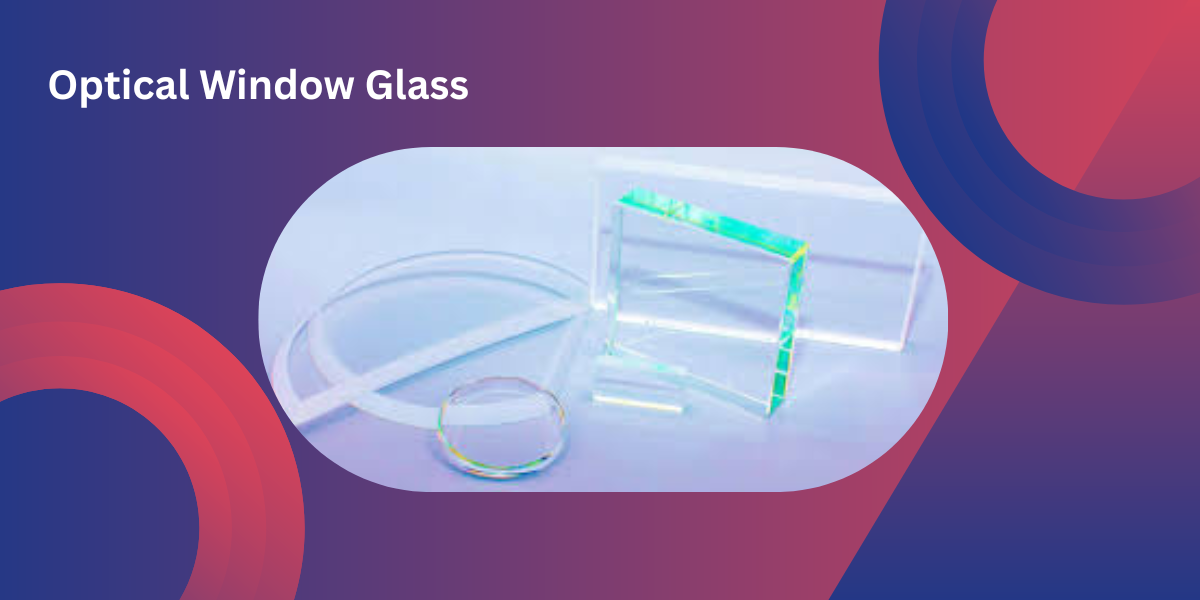
When we look through a window, we often take the material for granted. However, in the world of high-end optics and smart building design, window glass is far more than a transparent barrier. It is a sophisticated piece of technology designed to manage light, heat, and energy. Whether you are a homeowner looking for efficiency or a commercial developer sourcing specialized panels, the type of glass you choose defines the comfort and cost of your environment.
At ARVR Optical, we apply our deep expertise in optoelectronics to the world of glass. We believe that clarity should never come at the expense of performance. In this guide, we will break down everything you need to know about modern window glass, from basic panes to the "smart" technology of the future.
The Evolution of Window Glass Technology
For centuries, glass was simply a way to let in light while keeping out the wind. Today, the industry has evolved. Modern window glass is engineered at the molecular level to provide specific benefits.
The primary shift has been toward "functionalized" glass. This involves applying microscopic layers of metals or metal oxides to the surface. These coatings are so thin they are invisible to the human eye, yet they fundamentally change how the glass interacts with the solar spectrum.
Types of Window Glass You Should Know
To make an informed decision, it is essential to understand the different categories of glass available on the market today.
1. Low-E (Low Emissivity) Glass
This is the gold standard for energy efficiency. Low-E glass features a spectrally selective coating that reflects infrared light (heat) while allowing visible light to pass through. During the summer, it reflects heat away from your building; in the winter, it reflects internal heat back into the room.
2. Tempered and Laminated Safety Glass
Safety is a priority in any installation. Tempered glass is heat-treated to be four to five times stronger than standard glass. If it breaks, it shatters into small, blunt cubes rather than sharp shards. Laminated glass, on the other hand, consists of two layers of glass with a plastic interlayer, making it nearly impossible to penetrate—perfect for security and noise reduction.
3. Insulated Glass Units (IGU)
Most modern windows are actually "units" rather than single sheets. An IGU consists of two or three panes of window glass separated by a vacuum or a noble gas like Argon or Krypton. These gases are denser than air and provide a superior thermal barrier.
The Expert Edge: Smart Glass and Optoelectronic Integration
As a leader in the optoelectronics space, ARVR Optical is particularly excited about the rise of "Smart Glass." This technology allows the glass to change its properties based on an electrical stimulus.
-
Electrochromic Glass: This glass can tint on demand. With the flip of a switch or an automated sensor, the window glass becomes darker to reduce glare and heat gain without needing blinds.
-
Photochromic Glass: Similar to transition lenses in eyewear, this glass darkens automatically when exposed to intense sunlight.
-
Integrated Displays: In advanced commercial settings, window glass is now being used as a transparent display, utilizing the same transparent conductive oxides found in high-end AR/VR modules.
Why Quality Window Glass Matters for Energy Efficiency
Heating and cooling account for the largest portion of energy consumption in most buildings. Low-quality window glass acts as a "thermal bridge," allowing heat to escape or enter freely. By upgrading to high-performance glass from ARVR Optical, users can see a reduction in energy bills by as much as 30%.
Key metrics to look for include:
-
U-Value: Measures the rate of heat transfer. Lower is better.
-
Solar Heat Gain Coefficient (SHGC): Measures how much solar radiation enters. In hot climates, you want a lower SHGC.
-
Visible Transmittance (VT): How much natural light comes through. High VT is preferred for bright, airy interiors.
How to Choose the Right Glass for Your Project
Choosing the right window glass depends on your specific environment.
-
For Noise Reduction: Look for laminated glass with varying thicknesses of panes to disrupt sound waves.
-
For UV Protection: Ensure your glass has a high UV-blocking coating to prevent furniture and flooring from fading.
-
For Extreme Climates: Triple-pane IGUs with Krypton gas fill are the best choice for sub-zero temperatures.
Maintenance and Longevity
High-performance glass is an investment. To ensure your window glass lasts for decades, regular maintenance is required. Avoid abrasive cleaners that can scratch specialized coatings. At ARVR Optical, we recommend using pH-neutral cleaning solutions and microfiber cloths to maintain the integrity of the optical surfaces.
The Future of Window Glass in 2026
We are currently entering an era where windows do more than provide a view—they generate power. BIPV (Building-Integrated Photovoltaics) is a growing trend where the window glass itself acts as a solar panel, capturing energy while remaining transparent. This is the intersection of architecture and optoelectronics where ARVR Optical continues to innovate.
Conclusion: Partner with ARVR Optical
The right window glass is a blend of science, safety, and aesthetic beauty. Whether you are looking for standard residential replacements or high-tech smart glass for a commercial project, understanding the technical specifications is key to long-term satisfaction.
At ARVR Optical, we bring the precision of the laboratory to the windows of your home and office. We don't just provide glass; we provide visual and thermal solutions that improve your quality of life. Explore our range of high-performance glass today and see the difference that expert engineering can make.

 English
 Arabic
 French
 Spanish
 Portuguese
 Deutsch
 Turkish
 Dutch
Dutch
 Italiano
 Russian
 Romaian
 Portuguese (Brazil)
 Greek
Greek