


 Android App
 About SPORTIVO Network
Top 7 Leg Compression Products in Pittsburgh, PA
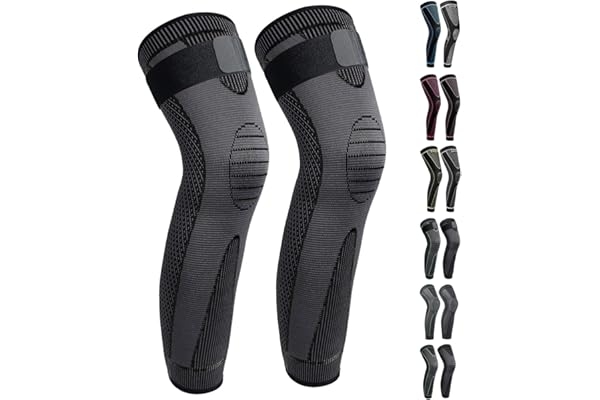
If you’ve spent any time walking the steep hills of Pittsburgh or standing on the concrete floors of our local medical centers, you know that leg fatigue is more than a minor annoyance—it is a physical toll. For residents dealing with chronic venous insufficiency, lymphedema, or post-surgical recovery, finding the right leg compression in Pittsburgh, PA isn’t just about comfort; it’s about maintaining mobility and vascular health.
Pittsburgh is home to some of the finest medical institutions in the world, and that high standard of care extends to the medical equipment available to its residents. At Eleftheria Medical, we understand that navigating the world of compression can be overwhelming. From graduated stockings to advanced pneumatic pumps, the options are vast.
In this guide, we’ll break down the top seven leg compression products available in the Steel City to help you make an informed choice for your health.
1. Graduated Medical Compression Stockings (20–30 mmHg)
The gold standard for daily wear, graduated compression stockings apply the most pressure at the ankle and gradually decrease as they move up the leg. This design assists the "calf muscle pump" in pushing blood back toward the heart against the force of gravity.
-
Best For: Varicose veins, mild edema, and DVT prevention.
-
Pittsburgh Insight: For those working long shifts at UPMC or AHN, these are essential for preventing the "heavy leg" feeling at the end of the day.
-
Pro Tip: Always look for "certified fitters" in local medical supply shops to ensure you aren't wearing a size that constricts blood flow rather than aiding it.
2. Lymphedema Wraps and Velcro Compression Systems
For patients who struggle with the dexterity required to pull on traditional elastic stockings, Velcro-based wrap systems are a game-changer. These allow for adjustable compression levels that can be tightened or loosened throughout the day as swelling fluctuates.
-
Key Benefit: Easy to apply independently; maintains high "working pressure" to move stagnant lymph fluid.
-
Where to find it: Specialized clinics in the North Hills and South Side often stock brands like Sigvaris and Juzo.
3. Intermittent Pneumatic Compression (IPC) Devices
If you are looking for the most advanced form of leg compression in Pittsburgh, PA, IPC devices (also known as lymphedema pumps) are the answer. These are sleeves that slide over the legs and connect to a pump that inflates and deflates in a specific sequence.
-
How it Works: It mimics the natural action of the lymphatic system, mechanically moving fluid out of the limb.
-
Recovery Focus: Eleftheria Medical recommends these for patients who haven't seen results from stockings alone or those recovering from major orthopedic surgeries.
4. Anti-Embolism (TED) Hose
Often confused with standard compression socks, TED hose are specifically designed for non-ambulatory patients—those who are bedridden or recovering in a hospital bed.
-
Compression Level: Usually lower (around 8–18 mmHg).
-
Critical Note: If you are mobile and walking around Pittsburgh's parks, TED hose are not the correct product. You need graduated compression to handle the increased venous pressure of standing.
5. Athletic Compression Sleeves
Pittsburgh is a city of runners and athletes. While medical-grade products focus on pathology, athletic sleeves focus on recovery and performance.
-
Usage: These are popular for recovery after a long run on the Three Rivers Heritage Trail.
-
Insight: They help reduce "muscle oscillation" (vibration), which can decrease muscle soreness (DOMS) the following day.
6. Compression Gaiters and Calf Sleeves
Sometimes, you don't need a full stocking. Gaiters cover from the ankle to just below the knee. They are often used in "wound care" scenarios where a patient has a venous ulcer that needs to be kept under pressure to heal.
-
Why Pittsburghers like them: They are easier to wear with the variety of footwear needed for Pennsylvania's changing seasons—from winter boots to summer sneakers.
7. Custom-Made Flat Knit Garments
For severe lymphedema or unique limb shapes, off-the-shelf products simply won't fit. Custom flat-knit garments are thick, breathable, and woven specifically to your measurements.
-
The Process: Requires a professional measurement by a certified lymphedema therapist.
-
Longevity: While more expensive, they offer the best containment for significant swelling.
Why Professional Fitting Matters for Leg Compression in Pittsburgh, PA
Many people make the mistake of ordering a "medium" online without realizing that medical compression is measured in centimeters at the smallest part of the ankle and the largest part of the calf. A poorly fitted garment is more than uncomfortable—it can cause skin breakdown or even "tourniquet effect," which blocks circulation.
The Role of Eleftheria Medical
At Eleftheria Medical, we believe in a "measure twice, fit once" philosophy. When searching for leg compression in Pittsburgh, PA, it is vital to choose a provider that understands the difference between a product that looks good and a product that functions correctly for your specific vascular needs.
Frequently Asked Questions (FAQs)
1. How long should I wear my compression stockings each day?
Generally, you should put them on first thing in the morning when swelling is at its lowest and take them off right before bed. Unless specifically directed by your doctor (such as post-surgery), you should not sleep in them.
2. Does insurance cover leg compression in Pittsburgh, PA?
Coverage varies by provider (such as Highmark or UPMC Health Plan). Most plans cover "medical-grade" compression (30–40 mmHg) for specific diagnoses like lymphedema or chronic ulcers, but they may not cover lower-level "support" socks.
3. How often should I replace my compression garments?
The elastic fibers in compression products break down over time. To maintain the correct pressure, you should replace your stockings or wraps every 4 to 6 months.
4. Can I use lotion before putting on my compression socks?
It is best to apply lotion at night after taking the socks off. If you must apply it in the morning, ensure it is completely absorbed. Oils and lotions can break down the rubber/elastic fibers in the garment.
5. What is the difference between "support" socks and "medical" compression?
Support socks (often sold in drugstores) usually provide 15 mmHg or less. Medical-grade leg compression in Pittsburgh, PA starts at 20–30 mmHg and requires a higher level of testing to ensure the pressure is truly graduated.
Conclusion
Managing your vascular health is a journey, and having the right tools makes all the difference. Whether you are traversing the hills of Mt. Washington or recovering in the comfort of your home, the right leg compression in Pittsburgh, PA can significantly improve your quality of life. By choosing high-quality products and seeking expert guidance from professionals like those at Eleftheria Medical, you are taking a proactive step toward a more active, pain-free future.


 Czech
Czech
 English
 Arabic
 Spanish
 Portuguese
 Deutsch
 Turkish
 Dutch
Dutch
 Italiano
 Russian
 Romaian
 Portuguese (Brazil)
 Greek
Greek