I’ve worked with different display systems over the years, and one thing became obvious pretty quickly. Managing screens manually is frustrating, slow, and expensive. That’s exactly why digital signage software has become such a huge part of modern businesses. Whether it’s a retail store, restaurant, school, hospital, or corporate office, businesses now rely on smart display systems to communicate faster and look more professional.
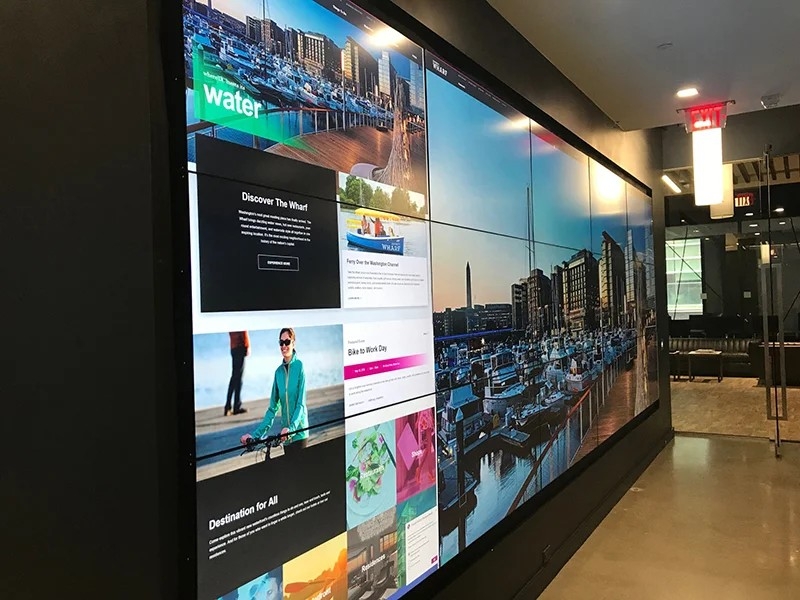
Digital signage software helps companies control digital screens remotely. Instead of printing posters or changing banners every week, businesses can update content instantly from one dashboard. It saves time. It looks better. And honestly, customers pay more attention to moving digital content than static signs hanging on a wall.
In this guide, I’ll explain how digital signage software works, why businesses use it, its main features, benefits, and how to choose the right solution for your needs.
What Is Digital Signage Software?
Digital signage software is a platform used to manage and display multimedia content on digital screens. That content can include videos, images, menus, promotions, announcements, social media feeds, weather updates, dashboards, and much more.
The software connects with screens through media players or smart displays and allows users to control everything remotely. You can schedule content, update advertisements, or manage multiple screens from a single location.
Most modern digital signage software works through cloud technology. That means you can log in from anywhere and control displays across different cities or even countries.
Businesses use digital signage software for:
- Retail promotions
- Restaurant menus
- Corporate communication
- Educational announcements
- Healthcare information
- Event management
- Transportation schedules
- Hotel welcome screens
The flexibility is what makes it powerful.
Why Businesses Are Switching to Digital Signage Software
Traditional advertising methods still exist, but they feel outdated in many industries. Printing posters every few weeks costs money and takes time. Plus, once printed, there’s no easy way to edit mistakes or update information instantly.
Digital signage software solves those problems.
I’ve seen stores completely transform customer engagement just by replacing printed banners with digital displays. The environment immediately feels more modern and interactive. Customers notice dynamic content much faster than static material.
Here are some major reasons businesses prefer digital signage systems today.
Real-Time Updates
One of the biggest advantages is instant content management. If a restaurant changes menu prices or a retail store launches a flash sale, the update can appear on screens within seconds.
No printing. No waiting.
Better Customer Engagement
Moving visuals naturally attract attention. Videos, animations, and colorful promotions help businesses communicate more effectively than paper signs.
That increased engagement often leads to more sales.
Remote Management
With cloud-based digital signage software, businesses can manage screens from anywhere. A company with multiple branches can control every display from one dashboard.
That saves a massive amount of time.
Cost Efficiency
At first, digital signage may seem expensive, but over time it reduces printing costs, labor expenses, and replacement materials. Long term, many businesses actually save money.
Professional Branding
Digital displays simply look more modern. They help businesses create a polished and professional image that customers trust more.
Key Features of Digital Signage Software
Not all platforms offer the same tools, but the best digital signage software usually includes several important features.
Content Scheduling
This feature allows businesses to schedule promotions and announcements for specific times or dates.
For example:
- Breakfast menu in the morning
- Lunch promotions during the afternoon
- Dinner specials at night
Everything changes automatically.
Remote Screen Management
Users can control multiple screens from one dashboard. This is especially useful for franchises, shopping malls, airports, and corporate offices.
Media Support
Most systems support:
- Videos
- Images
- GIFs
- Slideshows
- Live feeds
- Web pages
- Social media integrations
The more formats supported, the more creative businesses can become.
Cloud-Based Access
Cloud functionality gives users access from laptops, tablets, or phones without needing physical access to the display location.
Emergency Alerts
Some digital signage software platforms include emergency broadcasting features. Schools, hospitals, and offices use this during urgent situations.
Analytics and Reporting
Advanced software can track customer engagement, screen uptime, and campaign performance. These insights help businesses improve marketing strategies.
Industries Using Digital Signage Software
Almost every industry can benefit from digital signage technology now.
Retail Stores
Retail businesses use digital signage software to display:
- Discounts
- New arrivals
- Product videos
- Seasonal campaigns
It creates a more engaging shopping experience.
Restaurants
Digital menu boards have become extremely popular. Restaurants can update prices instantly and promote limited-time offers without reprinting menus.
Fast food chains especially rely heavily on digital signage systems.
Healthcare Facilities
Hospitals and clinics use screens for patient information, directions, appointment updates, and health awareness messages.
Educational Institutions
Schools and universities display announcements, schedules, event details, and emergency alerts using digital signage software.
Corporate Offices
Companies use digital displays for internal communication, employee recognition, meeting schedules, and company updates.
Hotels
Hotels use signage systems for welcome messages, event information, room promotions, and navigation assistance.
Benefits of Using Digital Signage Software
There’s a reason this technology keeps growing every year.
The benefits are practical and immediate.
Increased Sales
Eye-catching promotions influence buying decisions. Many businesses report increased sales after implementing digital displays.
Faster Communication
Information spreads instantly across all connected screens.
Improved Customer Experience
Customers appreciate clear menus, modern displays, and interactive information systems.
Reduced Printing Costs
This alone can save businesses thousands over time.
Centralized Control
Managing hundreds of screens from one platform simplifies operations dramatically.
Stronger Brand Identity
Consistent digital branding across all locations helps businesses appear more trustworthy and professional.
How to Choose the Best Digital Signage Software
I think this is where many businesses get overwhelmed. There are so many platforms available now that choosing the right one becomes difficult.
Here are the factors I’d focus on first.
Ease of Use
The dashboard should be simple enough for non-technical staff to operate. Complicated systems waste time and create frustration.
Scalability
Choose software that can grow with your business. Even if you only have two screens today, you might manage fifty later.
Compatibility
Make sure the software works with your hardware and display devices.
Customer Support
Reliable support matters more than people realize. If screens go offline during business hours, fast assistance becomes essential.
Security Features
Cloud-based systems should include secure login protection and encrypted data management.
Pricing
Some platforms charge monthly subscriptions while others use one-time licensing fees. Compare features carefully before deciding.
Cloud-Based vs On-Premise Digital Signage Software
Most businesses today prefer cloud-based systems because they’re flexible and easy to manage remotely.
Still, on-premise solutions exist for organizations needing higher internal security or offline functionality.
Cloud-Based Software
Benefits include:
- Remote access
- Automatic updates
- Lower maintenance
- Easy scalability
On-Premise Software
Benefits include:
- Full internal control
- Enhanced local security
- No internet dependency
The right choice depends on business size and operational needs.
Future Trends in Digital Signage Software
This industry keeps evolving rapidly.
Artificial intelligence is becoming part of digital signage platforms. Some systems can already personalize content based on audience demographics, time of day, or customer behavior.
Interactive touchscreens are also growing fast.
I’ve noticed more businesses integrating:
- AI-powered recommendations
- Real-time analytics
- Facial recognition
- Voice interaction
- Smart automation
As technology improves, digital signage software will become even more intelligent and personalized.
Final Thoughts
Digital signage software has changed how businesses communicate with customers and employees. It’s faster, more engaging, and far more flexible than traditional printed signage.
Whether you run a retail shop, restaurant, school, hospital, or corporate office, investing in the right digital signage system can improve communication, strengthen branding, and increase customer engagement.
What I like most about digital signage software is how adaptable it is. Businesses can start small with one display and scale up over time without rebuilding their entire system.
That flexibility makes it one of the smartest modern communication tools available today.
If your business still relies heavily on printed posters and static advertising, now’s probably the perfect time to explore what digital signage software can actually do.



 Android App
 About SPORTIVO Network


 Czech
Czech
 English
 Arabic
 French
 Spanish
 Deutsch
 Turkish
 Dutch
Dutch
 Italiano
 Russian
 Romaian
 Portuguese (Brazil)
 Greek
Greek