


 Android App
 About SPORTIVO Network
How K-Culture Is Rewriting Global Trends
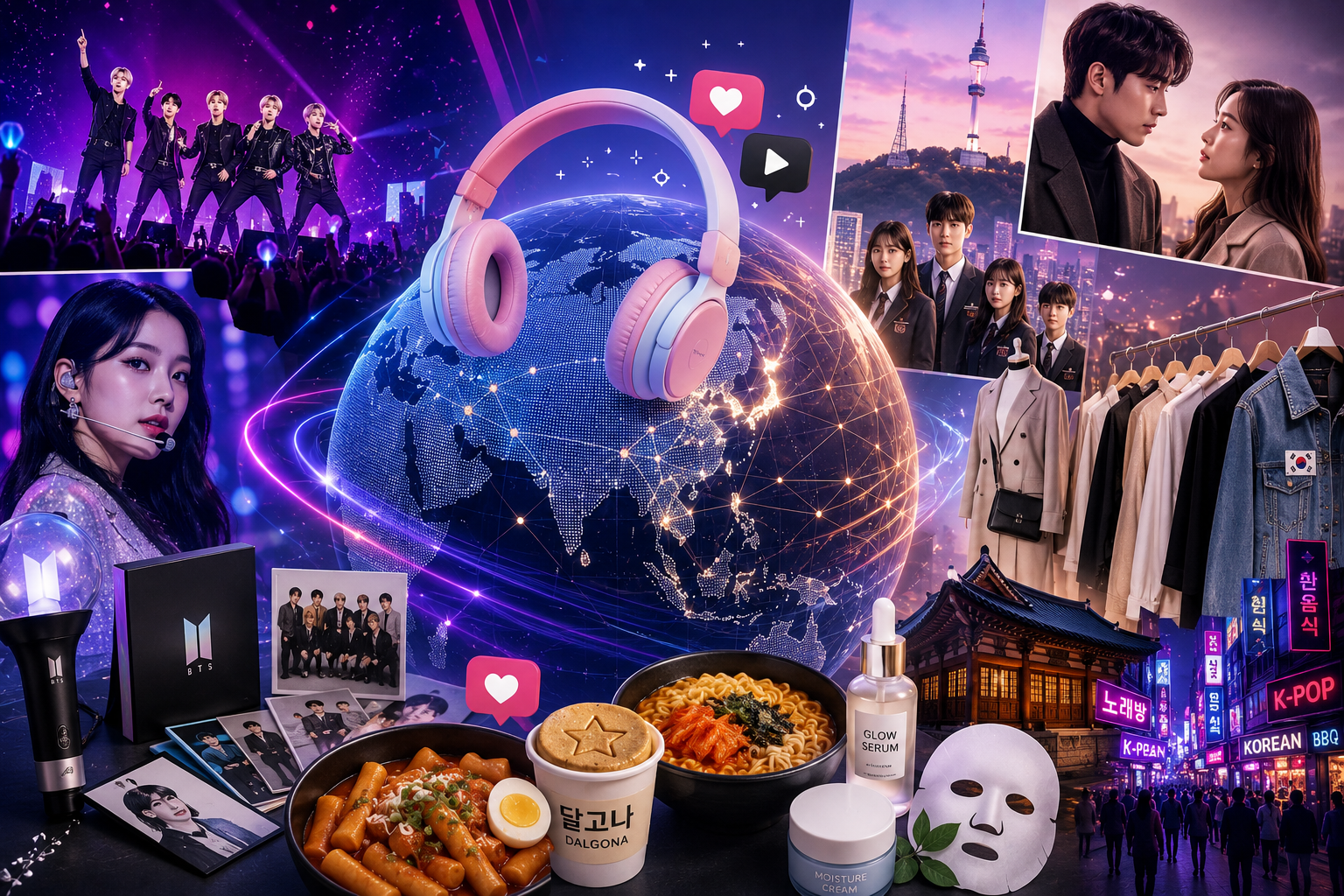
K-culture has become one of the most influential cultural movements in the world. What started as regional entertainment has now expanded into a global phenomenon affecting music, fashion, beauty, technology, food, and digital media. In 2026, Korean culture continues to influence how people consume content, follow trends, and connect with brands online.
From K-pop concerts selling out internationally to Korean dramas dominating streaming platforms, the influence of Korean culture is visible across multiple industries. Businesses, marketers, and content creators are also learning from the strategies that helped Korean entertainment and brands achieve worldwide recognition.
This article explains how K-culture is reshaping global trends and why its influence continues to grow across international markets.
The Rise of Korean Entertainment Worldwide
Korean entertainment has played a major role in the global expansion of K-culture. Korean dramas, films, and music are now reaching audiences far beyond Asia.
Streaming platforms have made Korean content more accessible, allowing viewers from different countries to watch dramas and movies instantly. At the same time, K-pop groups have built massive international fan bases through social media, concerts, and online communities.
The success of Korean entertainment is based on:
-
Strong storytelling
-
High production quality
-
Consistent branding
-
Direct fan engagement
This combination has helped Korean entertainment become a major part of global pop culture.
Social Media Helped Accelerate K-Culture Growth
Social media platforms played a major role in spreading K-culture internationally. Korean artists and brands actively use digital platforms to communicate with audiences and share content regularly.
Fans are not just passive viewers anymore. They actively participate by sharing clips, creating fan content, and discussing trends online. This level of engagement increases visibility and helps content spread faster across different regions.
Platforms such as:
-
YouTube
-
TikTok
-
Instagram
-
X (formerly Twitter)
have helped Korean content reach millions of users worldwide.
Digital communication has made K-culture more accessible and interactive than traditional entertainment models.
K-Pop Changed the Global Music Industry
K-pop is one of the strongest examples of K-culture’s international influence. Korean music groups have changed how artists build fan communities and market their content globally.
Unlike traditional music promotion, K-pop agencies focus heavily on:
-
Consistent online engagement
-
Visual branding
-
Global fan interaction
-
Multi-platform content creation
This strategy has helped K-pop artists build loyal international audiences.
The global success of Korean music has also encouraged international companies to adopt similar digital marketing approaches.
Korean Fashion and Beauty Trends Continue to Grow
Korean fashion and beauty industries have experienced rapid global growth in recent years. Consumers are increasingly interested in Korean skincare routines, cosmetic products, and fashion styles.
K-beauty brands are known for:
-
Product innovation
-
Detailed skincare approaches
-
Affordable pricing
-
Modern branding
Social media influencers and celebrities have also contributed to the popularity of Korean beauty products worldwide.
Fashion trends influenced by Korean entertainment are becoming more common among younger audiences, especially through digital platforms.
Korean Dramas Influenced Streaming Trends
Korean dramas are now among the most-watched content categories on global streaming platforms. Their popularity continues to grow because of strong storytelling, emotional depth, and high production standards.
Unlike many traditional television formats, Korean dramas often focus on:
-
Character development
-
Emotional storytelling
-
Limited episode structures
This format appeals to international audiences looking for different types of entertainment.
Streaming platforms are also investing more in Korean productions due to increasing global demand.
K-Culture Influenced Digital Marketing Strategies
Brands worldwide are studying Korean marketing strategies because of their effectiveness in audience engagement.
Korean entertainment companies understand how to:
-
Build strong online communities
-
Maintain audience interest
-
Create consistent branding
-
Use social media effectively
These strategies are now influencing global digital marketing practices.
Businesses are realizing that audience engagement and community building are just as important as direct advertising.
The Influence of Korean Food Culture
Korean food has also gained international popularity through entertainment content and social media exposure.
Dishes such as:
-
Kimchi
-
Korean barbecue
-
Tteokbokki
-
Ramen variations
are becoming more common in international markets.
Food content creators and influencers continue to introduce Korean cuisine to global audiences, increasing cultural interest and tourism.
Technology and Innovation Strengthen Korean Influence
South Korea is also recognized for technology and innovation. Korean companies in electronics, gaming, and digital services continue to influence global markets.
The country’s strong digital infrastructure supports the rapid spread of online entertainment and digital trends.
This combination of entertainment, technology, and innovation has strengthened Korea’s global cultural presence.
Younger Generations Drive the Popularity of K-Culture
Younger audiences are one of the main reasons K-culture continues to grow internationally. Gen Z and younger millennials consume content differently compared to previous generations.
They prefer:
-
Digital-first entertainment
-
Interactive communities
-
Short-form content
-
Global online trends
K-culture aligns well with these preferences, making it highly adaptable to modern digital platforms.
Conclusion
K-culture has evolved into a global influence that extends far beyond entertainment. Through music, fashion, beauty, food, and digital media, Korean culture continues to shape international trends in 2026.
Its success is built on strong branding, audience engagement, high-quality content, and effective use of digital platforms. Businesses and marketers worldwide are learning from the strategies that helped Korean culture achieve global recognition.
As digital connectivity continues to grow, the influence of K-culture is expected to expand even further across industries and markets.
Frequently Asked Questions (FAQ)
What is K-culture?
K-culture refers to the global influence of Korean entertainment, fashion, beauty, food, technology, and lifestyle trends.
Why is K-culture so popular worldwide?
K-culture became popular because of strong digital marketing, engaging content, social media interaction, and high-quality entertainment.
How did social media help K-culture grow?
Social media platforms allowed Korean artists and brands to connect directly with international audiences and share content globally.
What industries are influenced by K-culture?
Music, fashion, beauty, food, entertainment, and digital marketing are some of the industries strongly influenced by K-culture.
Is K-culture still growing in 2026?
Yes, K-culture continues to expand globally through streaming platforms, social media, and international brand collaborations.

 Czech
Czech
 English
 Arabic
 French
 Spanish
 Portuguese
 Deutsch
 Turkish
 Dutch
Dutch
 Italiano
 Russian
 Romaian
 Greek
Greek