


 Android App
 About SPORTIVO Network
The Science Behind Exosomes: How They Restore Strong, Healthy Hair
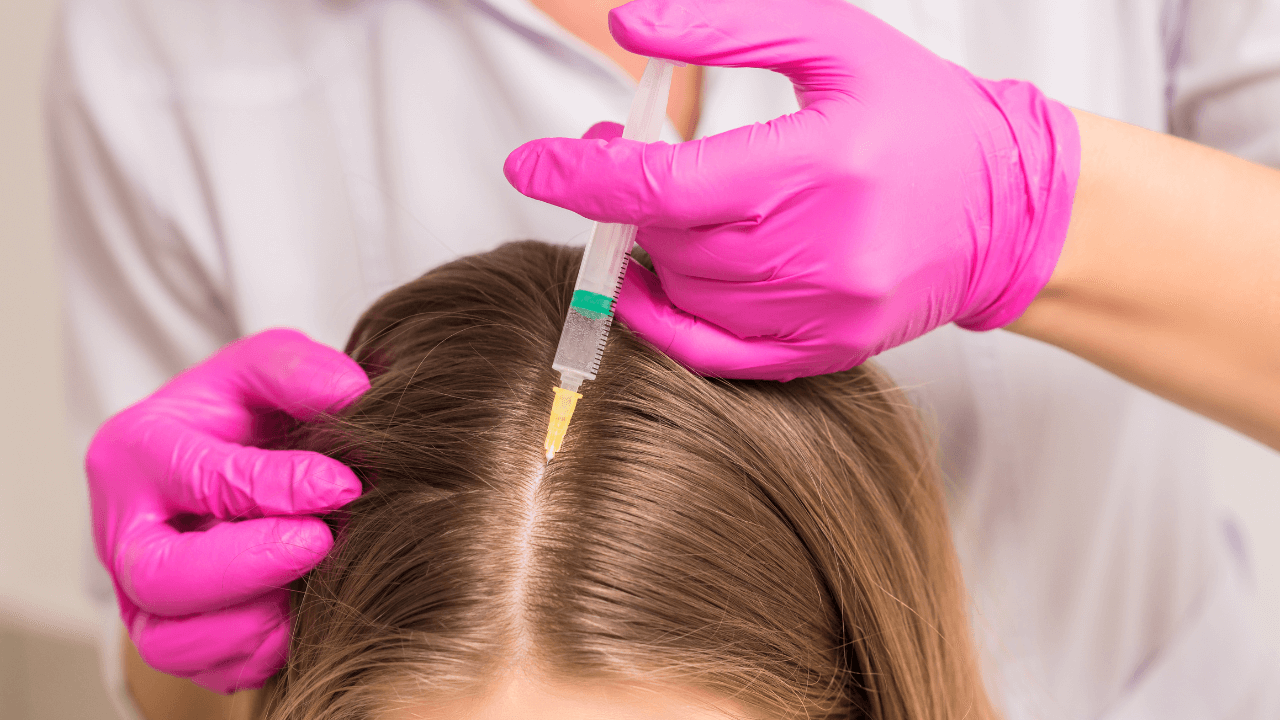
Exosome for hair is an emerging and revolutionary treatment in the field of hair restoration, gaining attention for its ability to restore strong, healthy hair through regenerative science. At the core of exosome therapy is the biology of exosomes, which are tiny vesicles capable of transmitting essential biological information and promoting healing and regeneration. Understanding the science behind exosomes can help explain why they are such a powerful tool for restoring hair.
Here’s a deep dive into the science of exosomes for hair and how they contribute to hair regrowth:
1. What Are Exosomes?
Exosomes are nano-sized vesicles (about 30-150 nm in diameter) that are secreted by cells and act as carriers of critical biological molecules. These vesicles contain a variety of proteins, lipids, RNA (genetic material), and other molecules that help cells communicate with each other. They play a crucial role in mediating intercellular communication, especially in the context of tissue repair and regeneration.
Exosomes are naturally produced by mesenchymal stem cells (MSCs), which have remarkable regenerative abilities. In hair restoration, exosome therapy uses exosomes derived from stem cells to deliver these healing molecules directly to the hair follicles, boosting their ability to grow new hair.
2. Exosomes and Their Role in Regeneration
Exosomes are a powerful tool in regenerative medicine because they contain a wide variety of growth factors and signaling molecules that can stimulate cell regeneration, reduce inflammation, and promote healing. In the context of hair restoration, exosomes help by:
A. Rejuvenating Hair Follicles
Hair loss occurs when hair follicles become damaged or miniaturized, which causes them to enter the resting phase (telogen) or even stop producing hair entirely. Exosomes promote the regeneration of hair follicles, helping them regain their ability to produce healthy hair.
-
Growth Factors: Exosomes contain important growth factors such as vascular endothelial growth factor (VEGF), platelet-derived growth factor (PDGF), and epidermal growth factor (EGF), all of which stimulate cell division and encourage hair follicle cells to proliferate.
-
Follicle Activation: Exosomes help reactivate dormant hair follicles by stimulating them to enter the anagen phase (the active growth phase), leading to the growth of thicker, stronger hair.
B. Enhancing Stem Cell Activity
Exosomes derived from stem cells can promote the activation of hair follicle stem cells, which are critical for hair regeneration. By transferring key regenerative signals, exosomes help stimulate these stem cells to produce new dermal papilla cells—which are essential for the formation of healthy hair follicles.
-
Regeneration of the Dermal Papilla: The dermal papilla is the part of the hair follicle responsible for hair growth. Exosomes help rejuvenate this vital structure, allowing for improved hair growth and density.
-
Increased Hair Stem Cell Activity: Exosomes directly enhance the proliferation and differentiation of hair follicle stem cells, leading to longer, thicker hair.
3. Reducing Inflammation and Improving Scalp Health
Chronic inflammation is a major contributor to hair loss, particularly in conditions like androgenetic alopecia (male/female pattern baldness) and alopecia areata. Exosomes have potent anti-inflammatory properties that can improve the overall health of the scalp, creating a more favorable environment for hair follicles to grow.
A. Decreasing Inflammation
Exosomes contain molecules that reduce the activity of pro-inflammatory cytokines. By modulating inflammation at the scalp level, exosomes:
-
Calm the immune response, reducing the damage caused by chronic inflammation, which is a significant factor in hair loss.
-
Support Healthy Hair Follicle Function: Reducing inflammation helps restore the optimal environment for hair follicles to grow and function, preventing them from becoming damaged or miniaturized.
B. Stimulating Scalp Healing
Exosomes also enhance the body’s healing response by delivering proteins that promote wound healing and tissue regeneration. This can be particularly useful for people with scalp conditions (such as psoriasis, seborrheic dermatitis, or scarring alopecia), as exosomes support the healing of damaged scalp tissues and improve overall scalp health.
4. Promoting Angiogenesis (Blood Vessel Formation)
For healthy hair to grow, hair follicles need an adequate supply of oxygen and nutrients, which are delivered through blood vessels in the scalp. Angiogenesis is the process of forming new blood vessels, and exosomes play a key role in stimulating this process by releasing vascular endothelial growth factor (VEGF).
-
Improved Blood Circulation: Exosomes stimulate the formation of new blood vessels around the hair follicles, improving blood flow and ensuring that the follicles receive the nutrients and oxygen necessary for healthy growth.
-
Better Nourishment for Hair Follicles: Enhanced circulation helps supply hair follicles with essential nutrients, including oxygen and growth factors, which are vital for sustaining hair growth and improving hair quality.
5. Accelerating Healing and Reducing Downtime
Exosome therapy is minimally invasive and generally requires no recovery time. Exosomes accelerate the healing of the scalp after treatments like hair transplants, PRP injections, or even minor injuries.
-
Faster Recovery: Exosomes promote the regeneration of tissue, which helps accelerate the healing process of the scalp following a procedure.
-
Reduced Risk of Scarring: Exosome therapy helps minimize the risk of scarring after procedures like hair transplants by promoting the repair and regeneration of damaged skin.
6. The Process of Exosome Therapy in Hair Restoration
Exosome therapy for hair restoration is a relatively simple, non-surgical procedure that involves injecting a concentration of exosomes directly into the scalp. Here’s how the process typically works:
-
Preparation: Before treatment, the scalp is cleaned, and a local anesthetic is applied to ensure comfort during the procedure.
-
Injection of Exosomes: Exosome-rich serum (derived from stem cells) is injected into the areas of the scalp where hair thinning or loss has occurred. The exosomes are delivered directly to the hair follicles using a fine needle.
-
Regenerative Activation: Once the exosomes are injected into the scalp, they begin their regenerative work, activating hair follicles, reducing inflammation, and promoting blood flow to the treated area.
-
Recovery: There’s typically no downtime, and most patients can resume normal activities immediately. Any slight redness or swelling at the injection sites typically subsides within hours.
7. Why Exosomes Are Better Than PRP and Other Hair Restoration Treatments
While PRP (Platelet-Rich Plasma) is another popular hair restoration treatment, exosome therapy offers several advantages:
-
Higher Potency: Exosomes contain a wider variety of growth factors and regenerative molecules compared to PRP, making them more effective at promoting hair regrowth.
-
More Consistent Results: Exosomes are derived from high-quality stem cells and contain a more standardized concentration of regenerative factors, resulting in more predictable and consistent results.
-
No Need for Blood Draws: Unlike PRP, which requires drawing blood from the patient, exosome therapy uses pre-prepared exosomes, making it a quicker and less invasive procedure.
-
Reduced Inflammation: Exosomes have more powerful anti-inflammatory properties than PRP, which helps to reduce hair follicle damage caused by inflammation.
8. What to Expect from Exosome Therapy for Hair Restoration
After undergoing exosome therapy, patients typically begin to see noticeable improvements in hair growth within 3–6 months. The results continue to improve over the course of 9–12 months, with thicker, stronger, and healthier hair.
-
Long-Lasting Results: Since exosomes stimulate the regenerative properties of the hair follicles and improve scalp health, the results can last for a long time, with many patients seeing benefits that last 1–2 years.
-
Minimal Side Effects: Most patients experience only mild side effects, such as temporary redness or slight swelling, which subside quickly.
Final Thoughts:
Exosomes are transforming the field of hair restoration by offering a potent, safe, and minimally invasive solution to hair loss. Their ability to activate dormant hair follicles, reduce scalp inflammation, and promote healthy growth makes them a game-changer in the pursuit of strong, healthy hair.

 Czech
Czech
 English
 Arabic
 French
 Spanish
 Portuguese
 Deutsch
 Turkish
 Dutch
Dutch
 Italiano
 Russian
 Portuguese (Brazil)
 Greek
Greek