


 About SPORTIVO Network
What Is the History Behind Traditional Lederhosen?
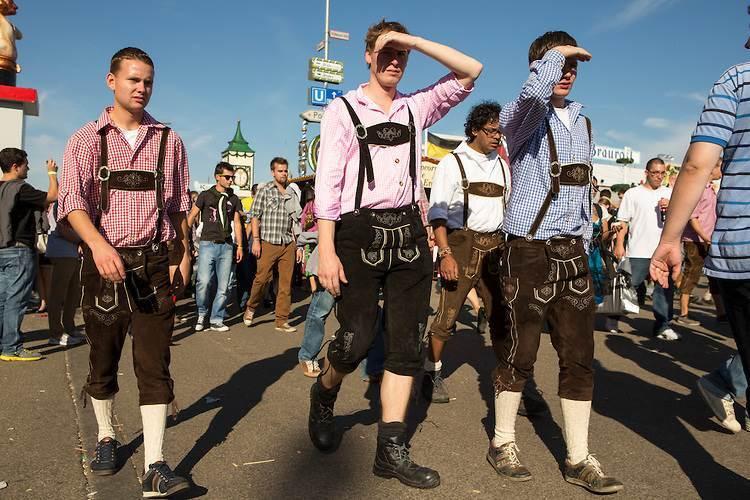
Lederhosen are much more than just traditional Bavarian clothing—they are a symbol of Alpine heritage, craftsmanship, and cultural identity. Their roots trace back several centuries to the rural regions of Bavaria, Austria, and parts of Switzerland, where they were originally worn by farmers, hunters, and laborers. These garments were designed for functionality, durability, and practicality, providing protection while performing physically demanding tasks in mountainous terrain. Over time, Lederhosen became associated not only with work but also with festivals, celebrations, and Bavarian tradition, evolving into the iconic cultural attire we recognize today.
The history of Lederhosen reflects the lifestyle, values, and traditions of the people who wore them. In early Alpine communities, clothing had to withstand heavy labor, harsh weather, and outdoor conditions. Leather, being strong and flexible, became the preferred material. The garments’ designs were practical yet elegant, allowing wearers to move freely while still maintaining a sense of style. Lederhosen gradually shifted from purely functional attire to a symbol of pride and cultural identity, representing Bavarian craftsmanship and Alpine tradition.
Origins of Lederhosen in Alpine Culture
The earliest Lederhosen were simple, rugged garments made from deer or goat hide. They were primarily worn by peasants and hunters who needed clothing capable of enduring rough terrain, heavy physical work, and changing weather conditions. The leather material provided unmatched durability and protection while allowing flexibility for climbing, walking, or riding.
Over the centuries, Lederhosen evolved in style and ornamentation. Basic workwear gradually incorporated decorative elements, such as embroidery, engraved buttons, and carved buckles. These embellishments reflected local customs, family heritage, or regional identity, turning practical garments into symbols of status and pride. The style differed slightly from region to region, with variations in length, embroidery patterns, and suspenders, giving each area a unique cultural identity in its clothing.
Lederhosen in Festivals and Social Life
While Lederhosen began as workwear, they eventually became an essential part of festivals and social gatherings. Bavarian traditions, especially in rural communities, emphasized communal celebrations, music, and dance. Lederhosen, initially chosen for their durability, also became a representation of pride and social belonging. Wearing Lederhosen at festivals like Oktoberfest, weddings, or local fairs became a way to honor heritage and participate in cultural rituals.
The integration of Lederhosen into social life encouraged further evolution of style and design. Embroidery became more intricate, incorporating Alpine motifs, flowers, or hunting symbols. Suspenders, ornate buttons, and tailored cuts added elegance while maintaining practicality. Over time, Lederhosen emerged as a cultural icon, blending functionality with artistry, and representing the values and traditions of Alpine communities.
Regional Variations and Craftsmanship
Lederhosen are not uniform; their designs differ depending on the region and intended use. Key variations include:
-
Length: Knee-length for traditional workwear; shorter styles for casual or festival use
-
Leather type: Deer, goat, or cowhide depending on availability and purpose
-
Embroidery patterns: Unique motifs representing local culture or family heritage
-
Suspenders and accessories: Decorative elements that enhance both function and style
These regional differences highlight the craftsmanship involved in producing Lederhosen. Each pair reflects the skill of artisans who handcraft embroidery, carve buttons, and carefully stitch seams, ensuring durability and aesthetic appeal.
Evolution of Lederhosen Into Modern Fashion
In the 19th and 20th centuries, Lederhosen experienced a resurgence as symbols of Bavarian culture. Artists, musicians, and cultural groups promoted Lederhosen as national dress, strengthening their association with heritage. Modern tailoring techniques and design updates introduced slimmer fits, lighter leather, and contemporary embellishments, making Lederhosen appealing for a wider audience beyond rural communities.
Today, Lederhosen are worn not only during traditional festivals but also for fashion, tourism, and cultural events worldwide. They balance tradition and modernity, maintaining durability, comfort, and style. Trusted brands like Bavarian Attire continue to honor these historical roots by producing authentic leather Lederhosen that combine traditional embroidery with modern quality standards, keeping the heritage alive while meeting contemporary expectations.
Cultural Significance and Legacy
Lederhosen symbolize more than clothing—they represent centuries of tradition, craftsmanship, and Alpine lifestyle. Wearing them connects individuals to the values of rural communities: hard work, resilience, and pride in cultural heritage. Passing Lederhosen down through generations has made them family heirlooms, carrying stories, memories, and identity.
The cultural significance of Lederhosen extends beyond Bavaria. They are now recognized internationally as symbols of German and Austrian heritage, celebrated in festivals worldwide. The continued popularity of Lederhosen underscores the enduring value of combining tradition, artistry, and practicality in clothing that transcends generations.
Why Buy from Bavarian Attire?
Choosing Bavarian Attire ensures access to authentic, high-quality Lederhosen crafted from genuine leather. Each piece features traditional embroidery, durable stitching, and a variety of classic and modern designs. Bavarian Attire provides comfort, style, and reliability, making it a trusted choice for anyone who wants to own a piece of Bavarian heritage while investing in long-lasting quality.
Conclusion
The history of traditional Lederhosen reflects a journey from rugged Alpine workwear to an enduring symbol of Bavarian culture and style. Rooted in functionality, craftsmanship, and regional identity, Lederhosen evolved over centuries to incorporate decorative embroidery, tailored fits, and festival-ready designs. Today, they remain a cultural icon, blending tradition and modernity, comfort and durability. Wearing Lederhosen honors centuries of heritage while celebrating timeless style and craftsmanship.


 Czech
Czech
 English
 Arabic
 French
 Spanish
 Portuguese
 Turkish
 Dutch
Dutch
 Italiano
 Russian
 Romaian
 Portuguese (Brazil)
 Greek
Greek