


 Android App
 About SPORTIVO Network
Ear Pain Linked to Wisdom Teeth Removal
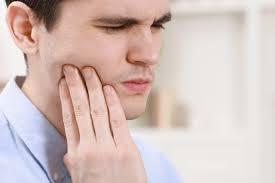
Experiencing ear pain from wisdom teeth removal is more common than many patients expect. Though this discomfort often feels like a problem within the ear itself, the true source is usually the jaw, surrounding tissues, or nerves affected during extraction. Because the mouth and ear share close anatomical connections, pain signals often overlap, creating sensations that can be confusing or worrying for someone recovering from surgery.
During the initial days of healing, the jaw undergoes natural inflammation, muscle tension increases, and tissues adapt to the sudden change caused by the removal of a deeply rooted tooth. This combination can produce aches radiating toward the ear canal, jaw joint, and even the side of the head. Patient-focused resources such as Dental Advice Today often highlight that these sensations are typically harmless and part of the expected healing journey, especially after surgical or impacted teeth extractions.
While normal ear discomfort tends to fade with time, some cases may involve complications that require attention. Understanding where this pain comes from, what causes it, how long it lasts, and how to manage it effectively can make recovery far more comfortable. In this comprehensive guide, we will explore every important aspect of ear pain linked to wisdom tooth removal, helping you stay informed, prepared, and confident throughout the healing process.
Why Wisdom Tooth Removal Can Affect the Ear
The relationship between the jaw and the ears is closer than most people realize. When wisdom teeth are extracted—especially lower third molars—they impact surrounding nerves, muscles, and joint function, all of which can affect the ear.
Shared Nerve Pathways
The trigeminal nerve is responsible for sensation in the lower jaw, teeth, gums, parts of the face, and the ear region. When this nerve becomes irritated due to tooth removal, inflammation, or swelling, the brain may interpret these signals as ear pain.
This is known as referred pain, and it is one of the most common reasons patients experience ear discomfort after dental surgery.
Jaw Joint (TMJ) Involvement
Many patients must hold their mouth open for an extended period during extraction. This stresses the temporomandibular joint, located near the ear. When overworked, this joint becomes stiff or sore, resulting in pressure or pain that radiates directly toward the ear area.
This is especially common in patients who already have mild TMJ dysfunction or jaw tightness.
Inflammation and Swelling
In the days after removal, swelling in the gums and jawbone can put pressure on nearby tissues. Because the ear sits so close to the jaw joint, inflammation can create a sensation of fullness, pressure, or pulsating discomfort near or inside the ear.
This is part of the body’s natural healing process.
Primary Causes of Ear Pain Linked to Wisdom Tooth Extraction
Ear pain can arise from several factors during healing. Understanding these causes helps patients differentiate between normal discomfort and signs that something more serious may be happening.
1. Typical Post-Surgical Sensitivity
Most ear discomfort is part of the normal recovery timeline. As tissues heal, swelling reduces, and nerves calm down, pain gradually decreases. This sensitivity often peaks around day two or three before improving.
2. Muscle Strain From the Procedure
During the extraction, the mouth stays open wide for a prolonged time. This stresses the jaw muscles, which stiffen and refer pain to the ear.
Symptoms include:
-
Difficulty opening the mouth fully
-
Jaw clicking
-
Tightness when chewing
-
Tenderness near the ears
Gentle jaw movements and warm compresses typically reduce these sensations.
3. Dry Socket
Although not extremely common, dry socket (alveolar osteitis) can cause severe, radiating pain that spreads to the ear. This happens when the blood clot protecting the bone dissolves or becomes dislodged.
Signs include:
-
Intense throbbing pain
-
Bad taste or odor
-
Exposed bone at the extraction site
Dry socket requires prompt professional treatment.
4. Infection After Extraction
Infections may occur if bacteria enter the extraction site. Because the sinuses, jaw, and ears are closely connected, infection can create significant ear pressure and discomfort.
Symptoms include:
-
Persistent swelling
-
Fever
-
Discharge from the site
-
Increasing pain instead of improvement
5. Sinus Complications
Upper wisdom teeth sit near the sinus cavity. If the sinus wall is irritated or opened during extraction, ear pain may occur due to pressure changes.
Patients may notice:
-
Ear fullness
-
Nasal congestion
-
Post-nasal drip
-
Pressure when bending over
This is rare but treatable.
Understanding How Long Ear Pain Usually Lasts
Recovery length varies depending on the complexity of the extraction and the patient’s individual healing process.
Typical Timeline
-
Days 1–3: Pain peaks, swelling increases
-
Days 4–7: Swelling decreases, ear discomfort begins fading
-
1–2 Weeks: Most patients no longer experience ear-related symptoms
-
3+ Weeks: Lingering TMJ tension may persist in rare cases
If ear pain worsens after day three or persists longer than 10 days, contacting your dentist or oral surgeon is recommended.
Factors That Influence Duration
Certain conditions or circumstances can extend the discomfort:
-
Impacted wisdom teeth
-
Previous TMJ issues
-
Post-surgical infection
-
Aggressive or complicated extraction
-
Poor aftercare practices
Identifying these factors helps tailor treatment and recovery expectations.
How to Relieve Ear Pain After Wisdom Teeth Removal
Thankfully, most ear pain is manageable with simple home care methods and recommended treatments.
1. Use Cold Then Warm Compresses
Cold helps reduce swelling during the first two days.
Warm compresses help relax jaw muscles afterward.
Alternate in 15- to 20-minute cycles for best results.
2. Take Pain Medication as Recommended
Pain relievers such as ibuprofen help control discomfort and inflammation. Your dentist may prescribe stronger medication if necessary.
Avoid taking additional medications without professional approval.
3. Perform Gentle Jaw Exercises
Simple movements help reduce stiffness:
-
Slowly open and close your mouth
-
Move jaw side to side
-
Avoid stretching too far
This helps minimize TMJ-related ear pressure.
4. Stick to a Soft Diet
For the first week, choose foods that require minimal chewing, such as:
-
Smoothies
-
Soups
-
Scrambled eggs
-
Mashed potatoes
-
Yogurt
Chewing tough or sticky foods can worsen ear and jaw pain.
5. Keep the Extraction Site Clean
Rinse gently with warm saltwater 24 hours after surgery. This reduces bacteria, speeds healing, and prevents infection—one of the major causes of radiating ear discomfort.
6. Rest and Avoid Physical Strain
High activity levels can increase inflammation and pain. Adequate rest promotes faster recovery and reduces discomfort.
When Ear Pain Signals a Problem
Normal discomfort improves; problematic pain worsens or persists. You should contact your oral surgeon if you experience:
-
Pain spreading from ear to jaw or neck
-
Worsening symptoms after the third day
-
Difficulty opening your mouth
-
Pus, fever, or foul odor
-
Ringing or fluid-like sensations in the ear
-
Sharp, stabbing pain that disrupts sleep
Early evaluation helps treat complications before they worsen.
Preventing Ear Pain for Future Dental Procedures
If you know you are prone to jaw tension or ear sensitivity, you can take steps to minimize discomfort during future treatments.
Choose an Experienced Dentist or Oral Surgeon
Highly skilled professionals minimize surgical trauma, shorten procedure duration, and reduce the likelihood of complications.
Discuss Sedation Options
Sedation or strategic breaks during the procedure can reduce how long your jaw stays open.
Use Post-Procedure Ice Packs Immediately
Applying cold early reduces swelling, which helps prevent pressure-related ear discomfort.
Maintain a Healthy Jaw
Practices such as regular stretching, reducing teeth grinding, and managing stress help support TMJ function long-term.
Conclusion
Ear pain linked to wisdom teeth removal is a common and often normal part of the healing process. Because the ears and jaw share the same nerve network, irritation around the extraction site can easily radiate upward. Most discomfort improves within a week through proper care, rest, medication, and gentle jaw movements.
However, knowing the difference between normal healing and signs of complications—such as infection, dry socket, or TMJ strain—is essential for a safe recovery. If pain persists or worsens, consulting your dentist or oral surgeon is the best way to ensure proper treatment.
By understanding why ear pain occurs, how to manage it effectively, and when to seek help, you can navigate recovery with confidence and comfort after wisdom tooth extraction.

 Czech
Czech
 English
 Arabic
 French
 Spanish
 Portuguese
 Deutsch
 Turkish
 Dutch
Dutch
 Italiano
 Russian
 Romaian
 Portuguese (Brazil)