


 Android App
 About SPORTIVO Network
Global Logistics Market and Trade Expansion
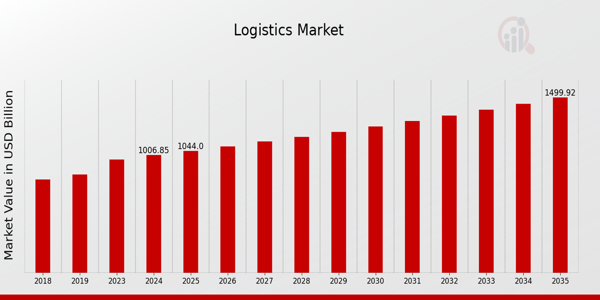
The global logistics market has become one of the most vital backbones of the modern economy, connecting producers, manufacturers, suppliers, and consumers across continents. In today’s fast-paced business environment, logistics is no longer limited to moving goods from one location to another; it has evolved into a comprehensive system that integrates transportation, warehousing, inventory management, packaging, supply chain visibility, and last-mile delivery. The market reflects the dynamics of globalization, digital transformation, and growing customer expectations for speed, accuracy, and cost efficiency.
At its core, the logistics market is driven by international trade. The growth of cross-border commerce has created a complex web of supply chains, where goods must pass through multiple checkpoints, storage facilities, and transportation modes before reaching their final destination. From containerized shipping and air freight to trucking and rail networks, logistics ensures the seamless flow of products ranging from raw materials to finished goods. The ability to manage this flow efficiently determines the competitiveness of businesses, making logistics a crucial enabler of global economic activity.
One of the strongest forces shaping the global logistics market is the rapid rise of e-commerce. Online shopping has transformed consumer behavior, leading to a surge in demand for quick, reliable, and transparent delivery services. Companies are under pressure to shorten delivery times, optimize routes, and provide real-time tracking information to customers. This shift has encouraged investments in automated warehouses, advanced inventory systems, and digital platforms that connect every part of the supply chain. In this context, logistics providers are not just service operators but strategic partners, helping retailers and manufacturers maintain customer loyalty through efficient order fulfillment.
The logistics market is also undergoing a technological revolution. Innovations such as artificial intelligence, machine learning, blockchain, and the Internet of Things are being integrated into logistics operations to improve accuracy and speed. Predictive analytics help companies anticipate demand fluctuations and adjust their supply chains accordingly, while blockchain ensures secure and transparent documentation across international borders. IoT-enabled sensors track goods in real time, providing insights into their condition and location. These technologies not only increase efficiency but also reduce operational costs, which is critical in an industry where margins can be thin.
Sustainability is another defining theme within the global logistics landscape. As environmental concerns grow, logistics providers are under pressure to adopt greener practices. Many companies are investing in electric vehicles for urban delivery, exploring biofuels for shipping, and improving packaging methods to minimize waste. Warehouses are being redesigned with energy-efficient lighting and solar power integration, while optimization algorithms are helping reduce fuel consumption by minimizing unnecessary travel. Sustainable logistics not only addresses environmental responsibilities but also resonates with eco-conscious customers and supports long-term profitability.
The role of logistics in emerging economies cannot be overlooked. As nations in Asia, Africa, and Latin America experience industrial growth and rising consumer markets, the demand for modern logistics infrastructure continues to rise. Ports are being expanded, road and rail networks upgraded, and airports developed to handle increasing cargo volumes. These investments are not only meeting current demand but also laying the foundation for future trade growth. Logistics in these regions is becoming a catalyst for economic development, opening new opportunities for international investors and creating employment across various levels.
The global logistics market is highly competitive, with players ranging from multinational corporations to small regional providers. Large firms offer end-to-end solutions covering every aspect of the supply chain, while niche players specialize in areas such as cold chain logistics, last-mile delivery, or specific geographic markets. This diversity creates a vibrant ecosystem where innovation thrives, as each player seeks to differentiate itself through cost efficiency, service quality, and technological advancements. Strategic partnerships and mergers are also common, allowing companies to expand their reach and capabilities in response to changing global demands.
Challenges, however, remain a constant part of the logistics equation. Rising fuel costs, fluctuating trade policies, labor shortages, and geopolitical uncertainties can all disrupt supply chains. Events such as pandemics, natural disasters, or conflicts highlight the vulnerability of global logistics systems and the need for resilience. To counter these risks, companies are diversifying their supply chains, creating backup networks, and investing in digital tools that enhance visibility and response times during crises. Flexibility and adaptability have become essential qualities for logistics providers aiming to navigate a volatile global environment.
Another significant aspect of the global logistics market is the increasing importance of last-mile delivery. With consumers expecting products to arrive at their doorsteps quickly and affordably, last-mile solutions have become a competitive differentiator. Companies are experimenting with drones, autonomous delivery vehicles, and micro-fulfillment centers located close to urban areas to meet these expectations. This final leg of delivery is often the most expensive and complex part of logistics, and innovations here are reshaping the market landscape.
Read more about global logistics market size
Looking ahead, the global logistics market is expected to continue expanding in scale and sophistication. The integration of digital ecosystems, combined with ongoing infrastructure development, will create more agile and transparent supply chains. Businesses will increasingly rely on data-driven insights to make strategic decisions, and logistics providers will play a critical role in enabling seamless global commerce. As sustainability, efficiency, and technology converge, the market will not only support economic growth but also adapt to the evolving expectations of businesses and consumers alike.

 Czech
Czech
 English
 Arabic
 Spanish
 Portuguese
 Deutsch
 Turkish
 Dutch
Dutch
 Italiano
 Russian
 Romaian
 Portuguese (Brazil)
 Greek
Greek