


 About SPORTIVO Network
Step-by-Step Process for Sea Freight Shipping from China to Pakistan
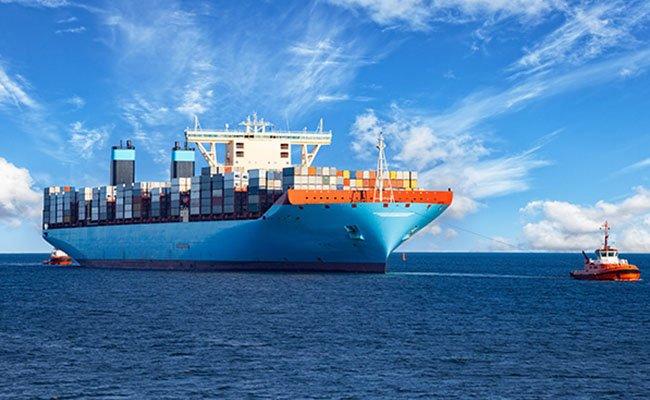
Sea freight is one of the most reliable and cost-effective ways to transport goods from China to Pakistan. Whether you are a small trader, e-commerce seller, or established importer, understanding the full shipping process eliminates confusion, reduces hidden costs, and ensures smooth and timely delivery.
This guide explains the complete step-by-step process for Sea Freight China to Pakistan from a supplier to final delivery at your warehouse.
1. Finalize Your Order with the Chinese Supplier
The first step is to confirm all product details before shipping arrangements begin.
Key things to finalize:
-
Product specifications
-
Quantity and packaging
-
Price and payment terms
-
Production time
-
Trade terms (Incoterms like FOB, EXW, CIF)
Tip: For sea freight, the most common Incoterm is FOB China Port, where the supplier delivers the cargo to the port, and the buyer handles shipping from there.
2. Select a Freight Forwarder
A professional freight forwarder handles the entire logistics process, including:
-
Booking the vessel
-
Consolidation
-
Customs clearance
-
Documentation
-
Delivery in Pakistan
When choosing a forwarder, check:
-
Experience in China–Pakistan trade
-
Good rates for FCL & LCL
-
Warehouse locations in China
-
Reliability and response time
3. Decide Your Shipping Method: FCL or LCL
Before booking the shipment, decide the cargo type based on volume.
FCL (Full Container Load)
-
Suitable for large shipments
-
20ft or 40ft containers
-
Cheaper per unit for high-volume cargo
-
Faster and safer
LCL (Less than Container Load)
-
Best for small shipments
-
You share container space
-
charged per CBM
-
More economical for low quantities
Choosing the right shipping method helps avoid unnecessary expenses.
4. Cargo Pick-Up or Supplier Delivery to Warehouse/Port
Depending on your trade terms:
Under EXW
-
Freight forwarder picks up cargo from the supplier’s factory.
Under FOB
-
Supplier sends the goods to the forwarder’s warehouse or loading port.
What happens at the warehouse?
-
Cargo is inspected
-
Repacked (if needed)
-
Weighed and measured
-
LCL shipments are consolidated
Proper handling at this stage ensures accurate freight costs and helps avoid customs issues
5. Export Customs Clearance in China
Before cargo can leave China, it must clear export customs.
Documents required:
-
Commercial invoice
-
Packing list
-
Export license (provided by supplier)
-
HS codes
-
Contract
The freight forwarder manages the entire clearance process. Once approved, cargo is for loading onto the vessel.
6. Container Loading and Shipping (Sea Transit)
Once customs clearance is completed:
For FCL
The full container is sealed and delivered to the port for loading onto the vessel.
For LCL
Your cargo is placed in a shared container with other shipments.
The container is then loaded onto the ship. Transit time from China to Pakistan varies depending on the route:
-
From Shanghai: 20–25 days
-
From Shenzhen/Guangzhou: 15–20 days
-
From Ningbo: 18–22 days
-
From Qingdao/Xiamen: 20–26 days
During transit, you can track the vessel using the container number or bill of lading.
7. Arrival at Pakistan Port (Karachi or Port Qasim)
Once the ship reaches Pakistan, the container is unloaded and moved to the customs area.
Common arrival ports:
-
Karachi Port
-
Port Qasim
-
Gwadar (limited commercial use)
At this stage, the cargo is inspected by Pakistani customs authorities.
8. Import Customs Clearance in Pakistan
This is an extremely important stage of the shipping process.
Your clearing agent or freight forwarder will handle:
-
Filing Goods Declaration (GD)
-
Verifying HS codes
-
Paying customs duty
-
Paying sales tax, income tax, and additional duties
-
Inspection by customs officers
-
Scanning process
Required documents:
-
Original Bill of Lading (or Telex Release)
-
Commercial Invoice
-
Packing List
-
Form-E (for Pakistan exports)
-
Sales tax registration (if applicable)
Once duties are paid and verification is completed, customs releases the goods.
9. Container Release and Port Charges
After clearance, you must pay the terminal and port charges, which may include:
-
Terminal handling charges
-
Delivery order (DO) charges
-
Scanning fees
-
Wharfage
-
Demurrage (if delayed)
Tip:
Avoid delays to save money. Demurrage and detention charges increase daily.
10. Cargo Delivery to Your Warehouse
Once port formalities are done, the cargo is ready for delivery.
For FCL Shipments
The entire container is transported to your warehouse.
-
You unload the goods
-
Return the empty container within the free period (usually 3–5 days)
For LCL Shipments
Your forwarder unloads the shared container at their warehouse and delivers your goods separately.
Delivery options:
-
Road transport (truck)
-
Trailer (for full containers)
Your shipment is now successfully delivered.
11. Post-Shipment Documentation & Verification
After receiving the cargo:
-
Verify product quality
-
Check quantity vs. packing list
-
Report damages (if any)
-
Store warranty documents and invoices
-
Maintain shipping records for future audits
Good documentation helps with future shipments and tax filing.
Conclusion
Shipping goods by sea from China to Pakistan may seem complex, but understanding the step-by-step process makes it smooth, predictable, and cost-efficient. From choosing the right freight forwarder to managing customs clearance and final delivery, every stage plays a vital role in ensuring safe and timely shipment.
By following this complete guide, importers can minimize delays, avoid unnecessary hidden charges, and build a strong, reliable supply chain between China and Pakistan.


 Czech
Czech
 English
 Arabic
 French
 Spanish
 Portuguese
 Deutsch
 Turkish
 Dutch
Dutch
 Russian
 Romaian
 Portuguese (Brazil)
 Greek
Greek