In today’s high-speed manufacturing environment, spot welding equipment plays a critical role in delivering strong, consistent, and cost-efficient metal joints. From automotive body assembly to appliance manufacturing and structural metal fabrication, this resistance welding method is widely adopted for its speed, repeatability, and compatibility with automation systems.
For OEMs, production engineers, and plant decision-makers, understanding how spot welding equipment works—and how to select the right system—can directly impact product quality, production efficiency, and long-term operational cost.
What is Spot Welding Equipment?
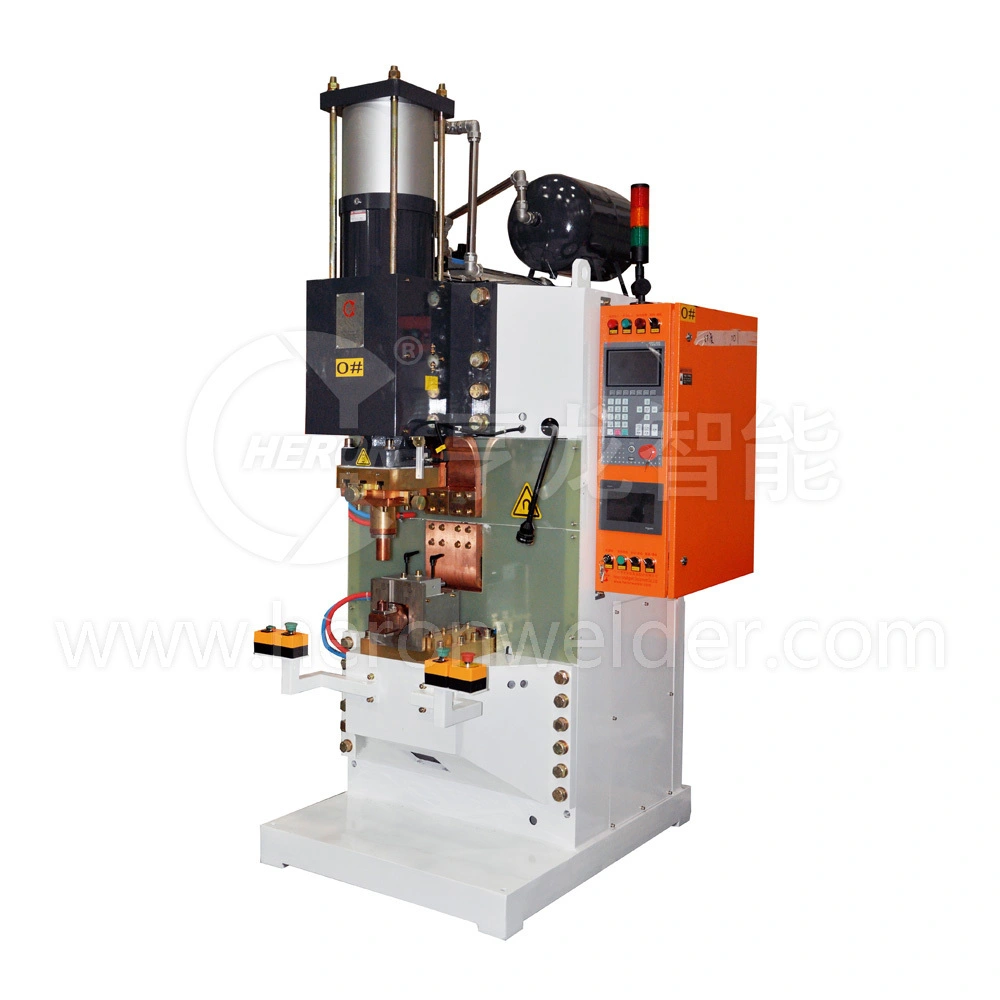
Spot welding equipment is a type of resistance welding system used to join two or more overlapping metal sheets by applying heat and pressure at a localized point. The heat is generated through electrical resistance when current passes through the metal interface, causing the material to melt and fuse.
Unlike traditional welding methods that require filler materials, spot welding is a clean, fast, and highly repeatable process, making it ideal for mass production environments.
It is widely used in industries such as:
Automotive manufacturing
Electrical enclosures
Home appliances
Sheet metal fabrication
Aerospace sub-assemblies
How Spot Welding Equipment Works
The working principle of spot welding equipment is based on resistance heating and pressure application.
Step-by-Step Process:
Two metal sheets are placed between copper alloy electrodes.
The electrodes apply mechanical force to clamp the sheets together.
A high electrical current is passed through the electrodes.
Heat is generated at the contact point due to resistance.
The metal melts locally and forms a weld nugget.
Pressure is maintained during cooling to solidify the joint.
The result is a strong, localized weld that requires no additional consumables.
Types of Spot Welding Equipment
Modern manufacturing requires different configurations of spot welding equipment depending on material type, thickness, and production requirements.
1. AC Spot Welding Machines
Traditional systems using alternating current. Suitable for general-purpose welding applications with moderate precision requirements.
2. MFDC Spot Welding Systems
Medium Frequency Direct Current (MFDC) systems offer higher energy efficiency, better control, and improved weld consistency. They are widely used in automotive and precision manufacturing.
3. Capacitor Discharge Spot Welders
These systems store energy in capacitors and release it instantly, making them ideal for thin materials and sensitive electronic components.
4. Projection Welding Equipment
A variation of spot welding where pre-formed projections concentrate heat and pressure at specific points for multiple welds in a single cycle.
5. Automated Spot Welding Systems
Integrated with robotic arms and production lines, these systems are designed for high-volume manufacturing and Industry 4.0 environments.
Key Components of Spot Welding Equipment
High-performance spot welding equipment typically includes the following components:
Welding Transformer or Power Supply
Responsible for converting electrical energy into the required welding current.
Electrodes
Made from copper alloys, electrodes deliver current and pressure to the workpiece. Their shape and condition significantly affect weld quality.
Control System
Modern controllers regulate current, time, and pressure with high precision. Advanced systems also include monitoring and feedback capabilities.
Cooling System
Water or air cooling systems prevent overheating of electrodes and transformers, ensuring stable performance during continuous operation.
Mechanical Structure or Welding Gun
Provides the necessary force and positioning accuracy for consistent welds.
Industrial Applications of Spot Welding Equipment
Spot welding equipment is widely used across multiple industries due to its efficiency and adaptability.
Automotive Industry
Used extensively for car body assembly, including doors, chassis, and structural panels. High-speed robotic spot welding is standard in modern automotive plants.
Appliance Manufacturing
Refrigerators, washing machines, and microwave ovens rely on spot welding for sheet metal assembly.
Electrical & Electronics
Used for battery tabs, connectors, and thin metal components requiring precision welding.
Metal Fabrication
Applied in HVAC systems, enclosures, cabinets, and general sheet metal structures.
Investing in advanced spot welding equipment offers several operational and technical benefits:
High Production Speed
Spot welding cycles are extremely fast, making them ideal for mass production environments.
Cost Efficiency
No filler materials or shielding gases are required, reducing operational costs.
Automation Compatibility
Easily integrated with robotic systems and automated production lines.
Strong and Consistent Joints
Provides uniform weld quality when parameters are properly controlled.
Clean Process
Minimal smoke, spatter, or post-weld finishing is required.
How to Choose the Right Spot Welding Equipment
Selecting the right system depends on multiple technical and production factors:
Material Type and Thickness
Different metals (steel, stainless steel, aluminum) require different current levels and electrode designs.
Production Volume
High-volume production requires automated or robotic systems, while low-volume setups may use manual or bench-top units.
Power Requirements
MFDC systems are preferred for energy efficiency and precision control.
Automation Level
Integration with robotic arms and PLC systems is essential for smart factories.
Maintenance and Support
Reliable after-sales support ensures minimal downtime and consistent performance.
Maintenance Best Practices for Spot Welding Equipment
Proper maintenance ensures long-term reliability and weld quality consistency.
Regular electrode dressing and replacement
Cooling system inspection and cleaning
Calibration of welding current and force
Monitoring of transformer temperature
Routine inspection of cables and connections
Preventive maintenance reduces production interruptions and extends equipment lifespan.
Why Choose Heron Welder for Spot Welding Equipment
As a global leader in industrial welding technology, Heron Welder specializes in advanced resistance welding solutions designed for modern manufacturing needs.
Heron provides a complete range of spot welding equipment, including MFDC systems, capacitor discharge welders, automated welding stations, and customized production line integration.
What sets Heron apart:
Strong engineering focus on precision and durability
Advanced control systems for real-time welding monitoring
Automation-ready designs for smart factories
Customized solutions for OEM and industrial applications
Global support for large-scale manufacturing projects
Whether you are upgrading a production line or building a fully automated welding system, Heron delivers engineered solutions tailored to your operational goals.
FAQs About Spot Welding Equipment
1. What materials can be welded using spot welding equipment?
Spot welding equipment is commonly used for low-carbon steel, stainless steel, aluminum (with specialized systems), and various sheet metals.
2. Is spot welding suitable for thick materials?
It is best suited for thin to medium sheet metals. For thicker materials, projection welding or alternative resistance welding methods may be more effective.
3. What industries use spot welding equipment the most?
The automotive industry is the largest user, followed by appliance manufacturing, electronics, and metal fabrication industries.
4. How long does a spot weld take?
A typical spot weld cycle takes only a fraction of a second to a few seconds depending on material thickness and machine settings.
5. Can spot welding equipment be automated?
Yes, modern systems are highly compatible with robotics and automated production lines, making them ideal for Industry 4.0 manufacturing.
Conclusion
Spot welding equipment remains one of the most efficient and reliable metal joining technologies in modern manufacturing. Its speed, cost efficiency, and compatibility with automation make it indispensable for industries aiming to improve productivity and weld quality.
With advanced engineering, precision control, and automation-ready systems, manufacturers can significantly enhance production performance while maintaining consistent quality standards.
For businesses looking to upgrade or implement high-performance spot welding systems, expert consultation can help ensure the right configuration for long-term success.
Contact Heron Welder today to request a customized quote or consultation for advanced spot welding equipment and automated welding solutions tailored to your production needs.



 Android App
 About SPORTIVO Network

 Czech
Czech
 English
 Arabic
 French
 Spanish
 Portuguese
 Deutsch
 Dutch
Dutch
 Italiano
 Russian
 Romaian
 Portuguese (Brazil)
 Greek
Greek