


 Android App
 About SPORTIVO Network
Beyond IgG: The Next Frontier in Immunotherapy and Antibody Engineering
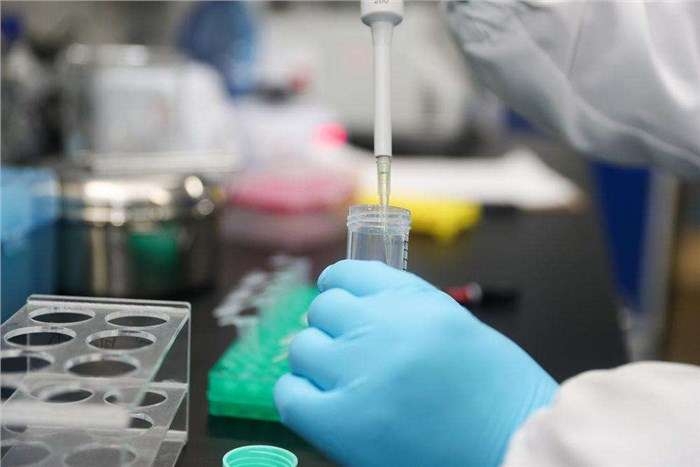
For decades, Immunoglobulin G (IgG) has been the undisputed heavyweight champion of therapeutic antibodies. From treating chronic autoimmune diseases to revolutionizing oncology with immune checkpoint inhibitors, IgG molecules have dominated the biologics market. Their long serum half-life, ease of manufacturing, and well-understood biology made them the logical first choice for researchers. However, as the field of precision medicine evolves, the limitations of IgG are becoming increasingly apparent. Solid tumors remain difficult to penetrate, and certain infectious diseases require higher avidity than a standard bivalent IgG can offer. This has sparked a massive shift in the biopharmaceutical industry, leading to the rapid rise of a new hot topic: the exploration and development of non-IgG isotypes for clinical applications.
The therapeutic landscape is now expanding to include other immunoglobulin classes, primarily IgA, IgM, and IgE. These distinct molecules boast unique structural and functional properties that allow them to tackle disease targets that traditional IgGs simply cannot reach. For instance, IgA Antibodies are gaining tremendous traction in the oncology space. Unlike IgG, which primarily recruits Natural Killer (NK) cells and macrophages, IgA specifically engages the Fc-alpha receptor (FcαRI) predominantly found on neutrophils. Neutrophils are the most abundant white blood cells in the human body, and triggering them via IgA can lead to intense antibody-dependent cellular cytotoxicity (ADCC) against tumor cells. Furthermore, because IgA is naturally designed to function in mucosal environments, it presents exciting opportunities for treating respiratory and gastrointestinal cancers or mucosal infectious diseases.
Despite their immense clinical potential, bringing non-IgG therapeutics from the laboratory bench to the patient bedside is fraught with challenges. The very structural features that make these molecules powerful—such as the polymeric nature of IgM or the heavy glycosylation of IgA—also make them notoriously difficult to produce, purify, and stabilize. Unlike IgG, which is a relatively simple Y-shaped monomer, IgM forms massive pentamers or hexamers, while IgA often exists as a dimer. Manufacturing these complex multimeric structures requires highly specialized cell lines and sophisticated bioprocessing techniques to ensure correct folding and assembly.
To overcome these biochemical hurdles, biopharmaceutical companies are increasingly relying on specialized Non-IgG Therapeutic Antibodies Engineering. This advanced engineering involves optimizing the molecular backbone of non-IgG molecules to enhance their stability, improve their pharmacokinetic profiles, and streamline their manufacturability. By fine-tuning the heavy chain constant regions and optimizing glycosylation patterns, scientists can dramatically increase the half-life of these molecules in vivo, turning what was once an unstable biological entity into a robust therapeutic drug candidate.
Another critical component of bringing non-IgG antibodies into the clinic is mitigating their potential immunogenicity. Many early-stage non-IgG antibodies are derived from murine (mouse) models or other non-human host species. If these foreign proteins are injected directly into a human patient, the patient's immune system will recognize them as an alien threat and mount an anti-drug antibody (ADA) response, neutralizing the therapeutic effect and potentially causing severe allergic reactions.
To bridge the gap between discovery and clinical viability, researchers leverage a Chimeric Non-IgG Antibody Engineering Service. Chimerization is a transformative process where the antigen-binding variable regions (V domains) of a non-human antibody are genetically fused to the constant regions (C domains) of a human non-IgG antibody. This clever engineering retains the original antibody's specific target affinity and avidity while replacing the majority of the foreign protein with human sequences. Not only does this significantly reduce the risk of a dangerous immune response in patients, but it also ensures that the antibody correctly interacts with human immune effector cells, such as neutrophils and macrophages, maximizing its therapeutic efficacy.
In conclusion, while IgG antibodies have paved the way for modern biologics, the future of immunotherapy is undeniably diverse. As our understanding of immunology deepens and our bioengineering tools become sharper, non-IgG antibodies like IgA, IgM, and IgE are poised to address some of the most stubborn unmet medical needs. Through cutting-edge engineering, structural optimization, and precise chimerization, the biotech industry is successfully unlocking the untapped potential of the broader immune system, ushering in a thrilling new era of therapeutic possibilities.

 Czech
Czech
 English
 Arabic
 French
 Spanish
 Deutsch
 Turkish
 Dutch
Dutch
 Italiano
 Russian
 Romaian
 Portuguese (Brazil)
 Greek
Greek