


 About SPORTIVO Network
CNC Metal Lathe Shapes Precision Parts
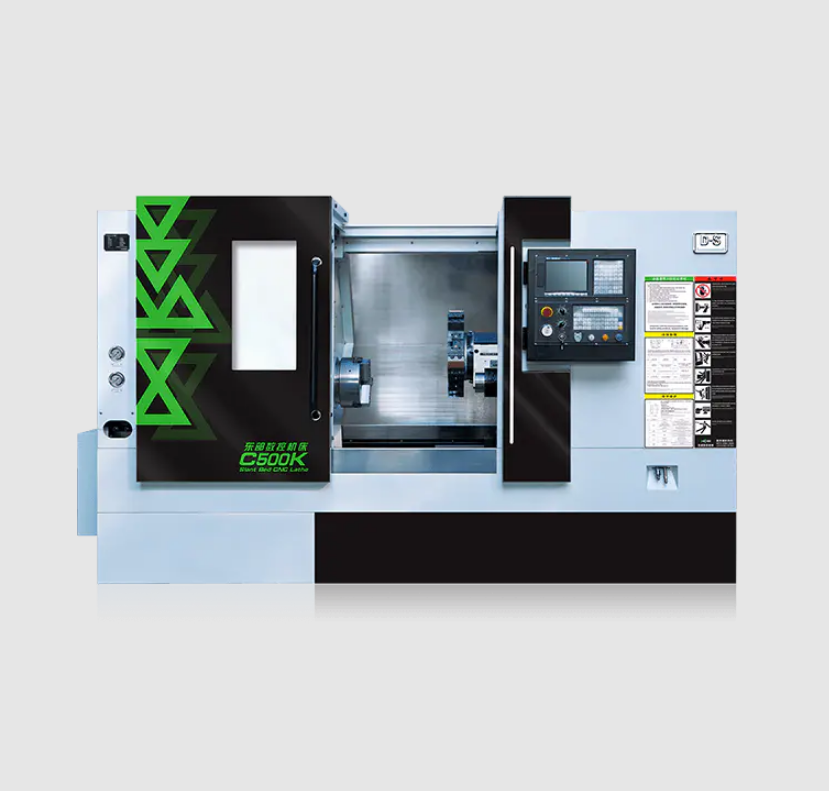
Walk into a machining workshop today and there is a good chance the steady hum in the background comes from a CNC Metal Lathe. Unlike traditional manual machines that depend heavily on operator movement, this type of lathe follows programmed instructions to cut, shape, and finish metal components with controlled precision. From automotive shafts to industrial connectors, countless metal parts begin their journey inside these machines.
A CNC Metal Lathe works by rotating a metal workpiece at high speed while cutting tools move along programmed paths. The process may sound straightforward, but the level of control involved is surprisingly detailed. Operators can adjust spindle speed, feed rate, tool position, and cutting depth directly through the control system. This allows manufacturers to create parts with tight tolerances and repeat the same process across large production batches.
One interesting aspect of modern lathe machining is how software has changed workshop routines. Years ago, machinists spent significant time manually measuring and adjusting every cut. Today, digital programming reduces much of that repetitive work. Once the machining program is prepared, the CNC Metal Lathe can continue producing identical components with limited interruption.
Material selection also influences machining strategy. Aluminum cuts differently from stainless steel, and brass behaves differently from titanium. Each metal reacts to heat, pressure, and cutting speed in its own way. Skilled operators often adjust tooling and coolant flow depending on the material being processed. Even small parameter changes can influence surface finish and tool wear.
Cooling systems play a surprisingly important role during machining. Cutting metal generates considerable heat, especially during long production runs. Coolant helps reduce temperature, remove metal chips, and extend tool life. Without proper cooling, tools may dull faster and part dimensions can drift slightly due to thermal expansion.
Automation has become increasingly common around CNC Metal Lathe production lines as well. Robotic loading systems now transfer raw materials into machines automatically, reducing manual handling and improving production flow. Some factories also use digital monitoring systems that track spindle vibration, cutting conditions, and machine performance in real time.
Although many finished products appear simple from the outside, their manufacturing process often depends on careful machining hidden behind factory walls. The CNC Metal Lathe continues to support industries ranging from aerospace and energy to medical equipment and transportation, quietly shaping the metal components used in everyday life.

 Czech
Czech
 Arabic
 French
 Spanish
 Portuguese
 Deutsch
 Turkish
 Dutch
Dutch
 Italiano
 Russian
 Romaian
 Portuguese (Brazil)
 Greek
Greek