


 About SPORTIVO Network
Micro OLED Display Technology for Next-Gen Devices
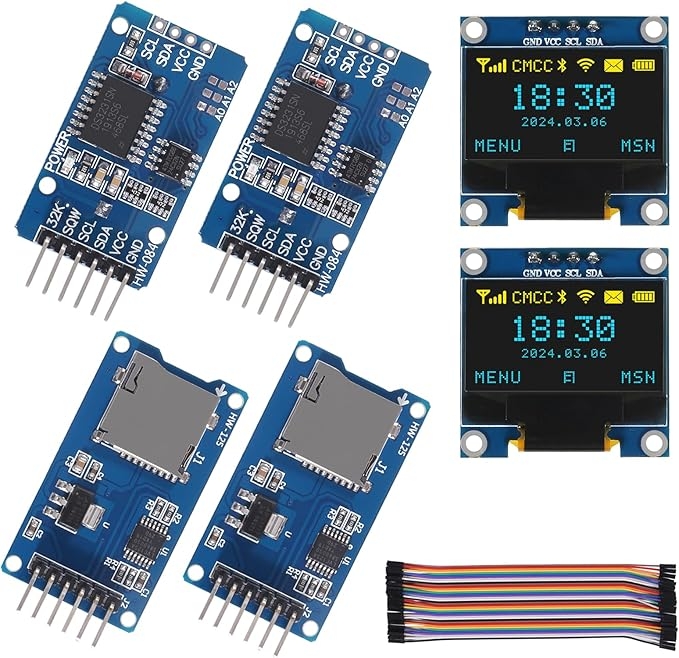
Micro OLED display technology is changing how modern devices deliver visual performance. From AR glasses to military optics, this advanced screen solution offers higher brightness, compact size, and better image quality. Many industries now prefer micro OLED panels for lightweight and high-resolution systems.
Compared to traditional display panels, micro OLED screens provide deeper contrast, lower power use, and faster response speed. These features make them suitable for smart wearables, thermal imaging devices, medical equipment, and electronic viewfinders where image precision matters most.
In this article, I will explain how micro OLED display technology works, its benefits, major applications, important features, and why industries are rapidly adopting this compact display solution for advanced optical products.
What Is a Micro OLED Display?
A micro OLED display is a compact display panel built on a silicon wafer instead of traditional glass substrates. It uses organic light-emitting diode technology to create self-emissive pixels. Each pixel produces its own light, which improves brightness, color accuracy, and black levels.
These displays are much smaller than normal OLED screens but can deliver extremely high pixel density. Because of this, they are commonly used in near-eye display systems such as augmented reality devices, virtual reality headsets, smart scopes, and digital optics.
How Micro OLED Display Technology Works
Micro OLED technology combines OLED layers with silicon backplane circuits. The silicon layer controls every pixel individually, helping the display produce detailed images with low latency and excellent contrast.
When electric current passes through the organic material, pixels emit light directly without requiring a separate backlight. This process helps reduce thickness, save power, and improve image response time. The result is a compact display module with sharp visuals and smooth motion handling.
Major Benefits of Micro OLED Display
High Resolution in Small Size
One of the biggest advantages of micro OLED displays is their high pixel density. Even a tiny panel can produce clear images with fine details. This feature is very useful for AR and VR systems where screens sit close to the human eye.
Better Contrast Ratio
Micro OLED screens create true black colors because inactive pixels completely turn off. This improves image depth and visual realism compared to LCD technology.
Fast Response Speed
These displays support ultra-fast refresh rates and low motion blur. This is important for gaming headsets, defense optics, and industrial imaging systems.
Low Power Consumption
Micro OLED panels use energy more efficiently because they illuminate only active pixels. This helps extend battery life in wearable electronics and portable devices.
Lightweight and Compact Design
Their small structure allows manufacturers to design thinner and lighter optical products without reducing display quality.
Applications of Micro OLED Display Technology
Augmented Reality Devices
AR smart glasses use micro OLED displays to project digital content with high clarity. Their compact structure supports lightweight wearable designs.
Virtual Reality Headsets
VR systems require immersive visuals with fast response time. Micro OLED technology helps reduce motion lag and improves viewing comfort.
Military and Defense Equipment
Many thermal scopes, helmet displays, and night vision systems now use micro OLED panels because of their durability and image sharpness.
Medical Imaging Systems
Medical devices benefit from accurate color reproduction and detailed image rendering. Surgeons and technicians can view precise imaging results in real time.
Camera Electronic Viewfinders
Professional cameras use micro OLED electronic viewfinders for accurate preview performance and high-definition image display.
Micro OLED Display vs Traditional OLED
Traditional OLED displays are larger and mainly used in televisions, smartphones, and monitors. In comparison, micro OLED technology focuses on compact applications requiring ultra-high pixel density.
Micro OLED displays also use silicon backplanes, while conventional OLED panels often rely on glass substrates. This difference improves display precision and response speed in small optical systems.
Another important advantage is viewing performance. Micro OLED screens deliver better visual quality in near-eye applications where image sharpness is critical.
Important Features to Consider
When selecting a micro OLED display, manufacturers usually evaluate several important specifications:
- Pixel density
- Brightness level
- Resolution
- Power efficiency
- Refresh rate
- Contrast ratio
- Display lifespan
- Thermal performance
These factors affect the performance of AR optics, wearable electronics, industrial devices, and imaging systems.
Future of Micro OLED Display Technology
The demand for compact and high-performance display solutions continues to grow worldwide. Industries such as consumer electronics, automotive systems, healthcare, aerospace, and defense are investing heavily in advanced display technologies.
Micro OLED displays are expected to play a major role in the future of smart glasses, mixed reality devices, digital optics, and portable imaging tools. As production improves, manufacturers may achieve even higher brightness, lower energy use, and more affordable integration options.
Conclusion
Micro OLED display technology is becoming an essential solution for modern optical and electronic devices. Its compact size, high resolution, low power usage, and fast response speed make it ideal for AR, VR, medical imaging, defense optics, and wearable systems.
As industries demand smaller and more advanced display solutions, micro OLED panels will continue supporting next-generation innovation with better visual performance, lightweight integration, and improved viewing experiences across multiple applications.

 Czech
Czech
 English
 Arabic
 French
 Portuguese
 Deutsch
 Turkish
 Dutch
Dutch
 Italiano
 Russian
 Romaian
 Portuguese (Brazil)
 Greek
Greek