


 About SPORTIVO Network
Customer Journey Explained Stages, Importance & How Businesses Use It
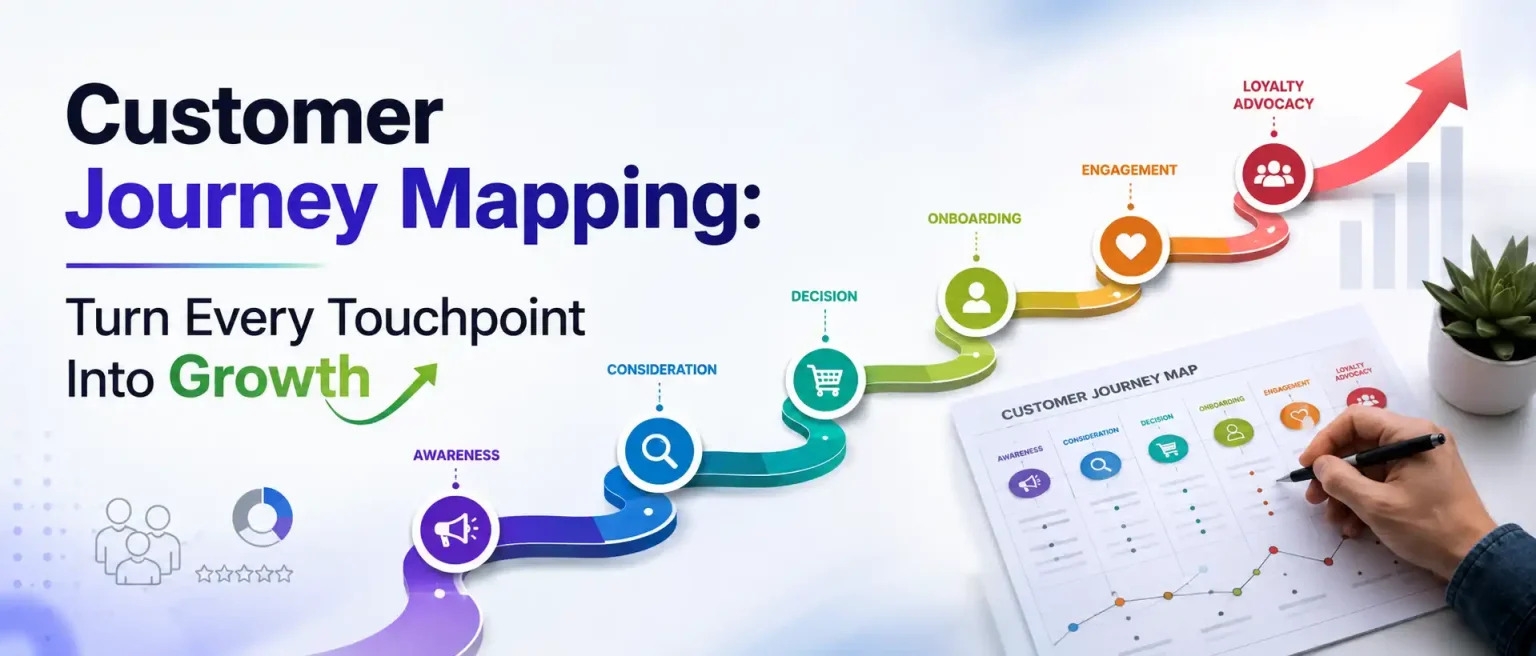
Understanding how customers interact with a business has become essential in modern marketing. People rarely make purchasing decisions instantly. Instead, they move through multiple stages discovering a brand, researching solutions, comparing options, and finally deciding whether to buy. This entire process is known as the customer journey.
Businesses that understand the customer journey can create better experiences, improve conversions, and build stronger long-term relationships with customers.
What Is the Customer Journey?
The customer journey refers to the complete experience a customer has with a business across all touchpoints from the first interaction to post-purchase engagement.
These touchpoints may include:
-
Social media
-
Search engines
-
Websites
-
Email marketing
-
Customer support
-
Online reviews
-
Advertisements
Instead of focusing only on sales, customer journey mapping helps businesses understand the customer’s perspective and decision-making process. (salesforce.com)
Why the Customer Journey Matters
Modern customers expect smooth, personalized experiences. Businesses that fail to understand customer behavior often lose potential buyers during the decision process.
Understanding the customer journey helps businesses:
-
Improve customer experience
-
Increase conversions
-
Build trust and loyalty
-
Reduce friction during purchase decisions
-
Create more effective marketing campaigns
Research consistently shows that customer-centric businesses often outperform competitors in retention and satisfaction. (ibm.com)
The Main Stages of the Customer Journey
Although customer journeys vary, most follow similar stages.
1. Awareness Stage
This is the first interaction between a customer and a brand.
The customer realizes:
-
They have a problem
-
They need information
-
They are searching for solutions
At this stage, people may discover a business through:
-
Google searches
-
Social media posts
-
Ads
-
Blog content
-
Word of mouth
The goal here is visibility and education.
Example:
Someone searching:
“best CRM software for startups”
They are researching not necessarily ready to buy yet.
2. Consideration Stage
Now the customer begins comparing options.
They evaluate:
-
Features
-
Pricing
-
Reviews
-
Brand reputation
-
Alternatives
Businesses often use:
-
Case studies
-
Product comparisons
-
Webinars
-
Testimonials
to build trust during this stage. (hubspot.com)
3. Decision Stage
At this point, the customer is ready to choose.
Factors influencing decisions include:
-
Pricing clarity
-
Ease of purchase
-
Customer support
-
Guarantees
-
User experience
A poor checkout process or confusing website can still cause drop-offs here.
Businesses focus heavily on removing friction during this stage.
4. Retention Stage
The journey doesn’t end after a purchase.
Retention focuses on:
-
Customer satisfaction
-
Repeat purchases
-
Long-term engagement
-
Loyalty programs
Acquiring a new customer often costs more than retaining an existing one.
5. Advocacy Stage
Satisfied customers may become promoters of the brand.
They might:
-
Leave reviews
-
Recommend products
-
Share content online
-
Refer others
Strong customer experiences often create organic growth through word-of-mouth marketing.
What Is Customer Journey Mapping?
Customer journey mapping is the process of visually outlining the customer experience from beginning to end.
A journey map identifies:
-
Customer goals
-
Emotions
-
Pain points
-
Actions
-
Touchpoints
This helps businesses see where customers struggle and where improvements are needed. (salesforce.com)
Key Components of a Customer Journey Map
Customer Persona
Defines the target audience.
Benefits of Understanding the Customer Journey
1. Better Marketing Campaigns
Businesses can deliver the right message at the right stage.
Example:
-
Educational content during awareness
-
Product comparisons during consideration
2. Higher Conversion Rates
Reducing friction improves sales performance.
3. Improved Customer Experience
Understanding customer emotions leads to smoother interactions.
4. Stronger Customer Loyalty
Positive experiences increase repeat business.
5. Better Personalization
Journey insights help businesses personalize communication and recommendations.
Modern consumers increasingly expect personalized experiences. (ibm.com)
Common Customer Journey Touchpoints
Businesses interact with customers through many channels.
Examples include:
-
Search engines
-
Social media
-
Paid ads
-
Email campaigns
-
Product pages
-
Customer support
-
Reviews and ratings
-
Mobile apps
Consistency across touchpoints is extremely important.
Challenges Businesses Face
Understanding customer journeys is not always easy.
Common challenges include:
-
Multiple channels and devices
-
Incomplete customer data
-
Changing customer behavior
-
Inconsistent messaging
-
Poor integration between departments
Customer journeys have become more complex as digital channels continue growing.
Examples of Strong Customer Journeys
Successful brands often:
-
Simplify onboarding
-
Offer personalized recommendations
-
Provide fast support
-
Maintain consistent branding
Companies that prioritize customer experience often gain stronger loyalty and retention.
How Small Businesses Can Benefit
Customer journey mapping is not only for large companies.
Small businesses can use it to:
-
Improve local customer experiences
-
Optimize websites
-
Increase repeat customers
-
Identify weak points in the buying process
Even simple improvements can create noticeable results.
Final Thoughts
The customer journey is one of the most important concepts in modern marketing and business strategy. Understanding how customers discover, evaluate, and interact with your brand helps create better experiences and stronger long-term relationships.
Businesses that focus on the customer journey often improve:
-
Engagement
-
Conversion rates
-
Customer satisfaction
-
Brand loyalty


 Czech
Czech
 English
 Arabic
 French
 Spanish
 Portuguese
 Deutsch
 Turkish
 Dutch
Dutch
 Italiano
 Romaian
 Portuguese (Brazil)
 Greek
Greek