


 Android App
 About SPORTIVO Network
Vasectomy and Patient Misconceptions in Counseling
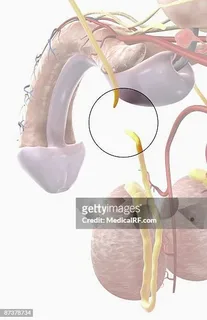
Vasectomy is one of the most effective, low-risk, and permanent methods of male contraception. Despite its safety profile and high success rate, misconceptions remain widespread. Many men approach vasectomy counseling filled with fears, misunderstandings, or partial truths shaped by cultural norms, social myths, or misinformation found online. For urologists, nurse counselors, and patient educators, addressing these misconceptions is essential—not only for improving patient confidence but also for ensuring fully informed consent.
This article explores the most common misconceptions surrounding vasectomy, why they persist, how they affect decision-making, and how clinicians can address these myths through effective counseling strategies. Understanding these misconceptions can significantly enhance patient education, reduce anxiety, and support better reproductive health decisions for individuals and couples.
Understanding the Root of Vasectomy Misconceptions
Before discussing specific myths, it is important to understand why patients have misconceptions in the first place. Several factors contribute:
1. Cultural Beliefs and Masculinity Norms
In many cultures, reproductive anatomy is closely tied to ideas of virility, masculinity, and strength. Any procedure involving the scrotum, especially one that affects sperm flow, can be misinterpreted as weakening manhood, decreasing vitality, or harming sexual identity.
2. Historical Misinformation
Earlier decades lacked accurate sexual health education, and myths were passed down through communities. These outdated beliefs continue to shape modern attitudes.
3. Internet Misinformation
The digital age provides both helpful information and vast amounts of inaccurate content. Men researching vasectomy online often encounter exaggerated complications or fear-based narratives.
4. Peer Stories and Rare Complications
Men may hear anecdotes from friends who had unusual experiences or rare complications. These individual stories often overshadow statistics showing vasectomy is safe and predictable for the overwhelming majority.
5. Lack of Reproductive Health Dialogue
Men typically receive less education about reproductive anatomy compared to women. As a result, many enter counseling with limited baseline knowledge.
Effective counseling must bridge these gaps—meeting patients where they are, clarifying misunderstandings, and providing reassurance based on evidence.
Common Vasectomy Misconceptions and How Counseling Addresses Them
Below are the most widespread misconceptions men bring to vasectomy counseling and the communication strategies that help correct them.
Misconception 1: “Vasectomy affects sexual performance.”
One of the most persistent myths is that vasectomy leads to erectile dysfunction, decreased libido, or weaker orgasms. This misconception stems from confusion about the role of the vas deferens and its relationship to testosterone production.
Reality
Vasectomy only blocks sperm transport. It does not affect:
-
testosterone levels
-
erection quality
-
orgasm intensity
-
ejaculation volume (which changes very minimally)
Sexual function is preserved entirely, and many men even report improved sexual satisfaction due to reduced fear of unintended pregnancy.
Counseling Strategy
-
Use anatomical diagrams to show that the testicles, nerves, and vessels responsible for sexual function remain intact.
-
Emphasize that vasectomy does not touch erectile tissues.
-
Normalize concerns by acknowledging that many patients have the same fear.
Misconception 2: “Vasectomy causes long-term pain.”
Fear of chronic scrotal pain can cause hesitation. While post-vasectomy pain syndrome exists, it affects a small percentage of men.
Reality
Most patients experience mild discomfort for a few days. Long-term pain is rare and often manageable with simple interventions.
Counseling Strategy
-
Provide accurate statistics emphasizing the low incidence of chronic pain.
-
Explain typical recovery timelines.
-
Help patients distinguish temporary postoperative symptoms from long-term issues.
Misconception 3: “Vasectomy could make me infertile forever—even if I want children later.”
Some men believe vasectomy creates absolute, irreversible infertility, ignoring the existence of vasectomy reversal.
Reality
Vasectomy is intended to be permanent, but reversal exists. However:
-
reversals are not guaranteed
-
success rates decline over time
-
reversals can be expensive
Counseling Strategy
-
Clarify that vasectomy should be considered permanent.
-
Discuss sperm banking for men unsure about future fertility.
-
Address emotional concerns around changing family plans.
Misconception 4: “My semen will look different after vasectomy.”
Men often worry that ejaculate will drastically change in consistency or volume.
Reality
Sperm accounts for only 2–5% of semen volume. After vasectomy, ejaculate looks, feels, and functions the same during sexual activity.
Counseling Strategy
-
Use percentages to highlight how minimal the change is.
-
Offer reassurance through common patient examples.
Misconception 5: “Vasectomy increases cancer risk.”
Old studies and outdated theories created the misconception that vasectomy is linked to prostate cancer.
Reality
Large, recent studies show no causal relationship between vasectomy and cancer of any type.
Counseling Strategy
-
Present modern evidence clearly.
-
Explain how early flawed studies caused confusion.
Misconception 6: “I’ll lose testosterone after a vasectomy.”
Many patients worry vasectomy disrupts hormone production.
Reality
Testosterone production occurs in the testicles and is unaffected by blocking sperm movement.
Counseling Strategy
-
Provide diagrams showing hormone pathways.
-
Reassure patients that vasectomy does not interfere with endocrine function.
Misconception 7: “I’ll gain weight or lose muscle.”
Some men associate vasectomy with hormonal or metabolic decline.
Reality
Vasectomy has no connection to weight gain, metabolism, or muscle mass.
Counseling Strategy
-
Discuss lifestyle factors vs. surgical factors.
-
Debunk assumptions tied to testosterone myths.
Misconception 8: “I can stop contraception immediately after vasectomy.”
A dangerous misconception is assuming immediate sterility.
Reality
Sperm can remain in the vas deferens for weeks. A semen analysis confirming zero sperm is necessary before stopping contraception.
Counseling Strategy
-
Provide a written timeline.
-
Explain how semen clearance works.
-
Emphasize the need for follow-up tests.
Misconception 9: “Vasectomy affects my masculinity or identity.”
Men may feel vasectomy symbolizes weakness or loss of potency.
Reality
Vasectomy affects sperm transportation—not masculinity, strength, or identity.
Counseling Strategy
-
Address emotional concerns with empathy.
-
Encourage partner involvement in counseling.
-
Reinforce that vasectomy is a responsible and mature reproductive choice.
Misconception 10: “The procedure is extremely painful or risky.”
Men may imagine the procedure as highly invasive or life-altering.
Reality
Modern vasectomy—especially no-scalpel technique—is quick, minimally invasive, and low risk.
Counseling Strategy
-
Describe each step clearly.
-
Use visuals or videos of real procedures.
-
Share recovery timelines and typical pain levels.
The Role of Effective Counseling in Dispelling Misconceptions
1. Build trust early
Patients must feel safe sharing fears. A non-judgmental tone encourages openness.
2. Use simple, clear language
Avoid medical jargon. Many misconceptions arise from poor understanding of anatomy.
3. Provide visual aids
Anatomical diagrams, models, or animation videos help eliminate misunderstandings.
4. Encourage questions
The more a patient speaks, the more misconceptions surface for correction.
5. Address emotional reactions—not just facts
Anxiety often persists even when information is correct. Emotional reassurance is key.
6. Include partners in the counseling session
Partners often have misconceptions too, and their support influences decision-making.
7. Share real-world examples
Peer reassurance can be powerful. Patient testimonials or data from high-volume clinics can calm anxieties.
8. Provide take-home educational materials
Printed or digital resources allow patients to revisit content later.
9. Reinforce messages during follow-up
Patients often forget or misunderstand initial explanations. Repetition strengthens understanding.
Why Misconceptions Matter: Impact on Decision-Making
Misconceptions shape patient behavior in many ways:
-
Delaying vasectomy due to fear
-
Canceling appointments after reading misinformation
-
Experiencing unnecessary anxiety
-
Misinterpreting normal recovery symptoms
-
Skipping semen analysis because of false assumptions
Correcting these misconceptions is not just informative—it improves outcomes and satisfaction.
Improving Counseling Models for the Future
To further reduce misconceptions, clinics can adopt:
1. Standardized educational modules
Interactive modules or videos ensure consistency.
2. Digital pre-counseling platforms
Allow patients to learn at home before the appointment.
3. Community or workplace seminars
Normalize vasectomy and reduce stigma.
4. AI-driven patient communication systems
Automated systems can answer common questions and debunk myths.
5. Multilingual and culturally sensitive materials
Misconceptions vary across cultural groups; materials should reflect this.
Conclusion
Vasectomy counseling plays a critical role in eliminating misconceptions that might otherwise prevent men from making informed, confident reproductive choices. Addressing myths about sexual function, masculinity, pain, cancer risk, hormone levels, and fertility helps patients see vasectomy for what it truly is: a safe, effective, and straightforward procedure. By improving communication strategies, clinicians can reduce anxiety, enhance patient satisfaction, and empower individuals with clear and accurate knowledge.
Well-informed patients recover better, feel more confident in their decisions, and approach vasectomy as a rational, responsible form of family planning—free of fear and misconception.
FAQs
1. Does vasectomy affect sexual performance or testosterone levels?
No. Vasectomy does not interfere with erections, libido, orgasm, or hormone production. Only the sperm pathway is blocked. Sexual function remains completely normal.
2. Can I stop using contraception immediately after my vasectomy?
No. You must continue using contraception until a follow-up semen analysis confirms there are no sperm left in the ejaculate. This usually takes 8–12 weeks.
3. Why are misconceptions about vasectomy so common?
Misconceptions stem from outdated beliefs, cultural norms, internet misinformation, limited reproductive health education, and anecdotal stories. Effective counseling helps correct these myths.

 Czech
Czech
 English
 Arabic
 French
 Spanish
 Portuguese
 Deutsch
 Turkish
 Dutch
Dutch
 Italiano
 Russian
 Romaian
 Greek
Greek