


 About SPORTIVO Network
Hair Transplant Cost Explained: What Affects the Final Price?
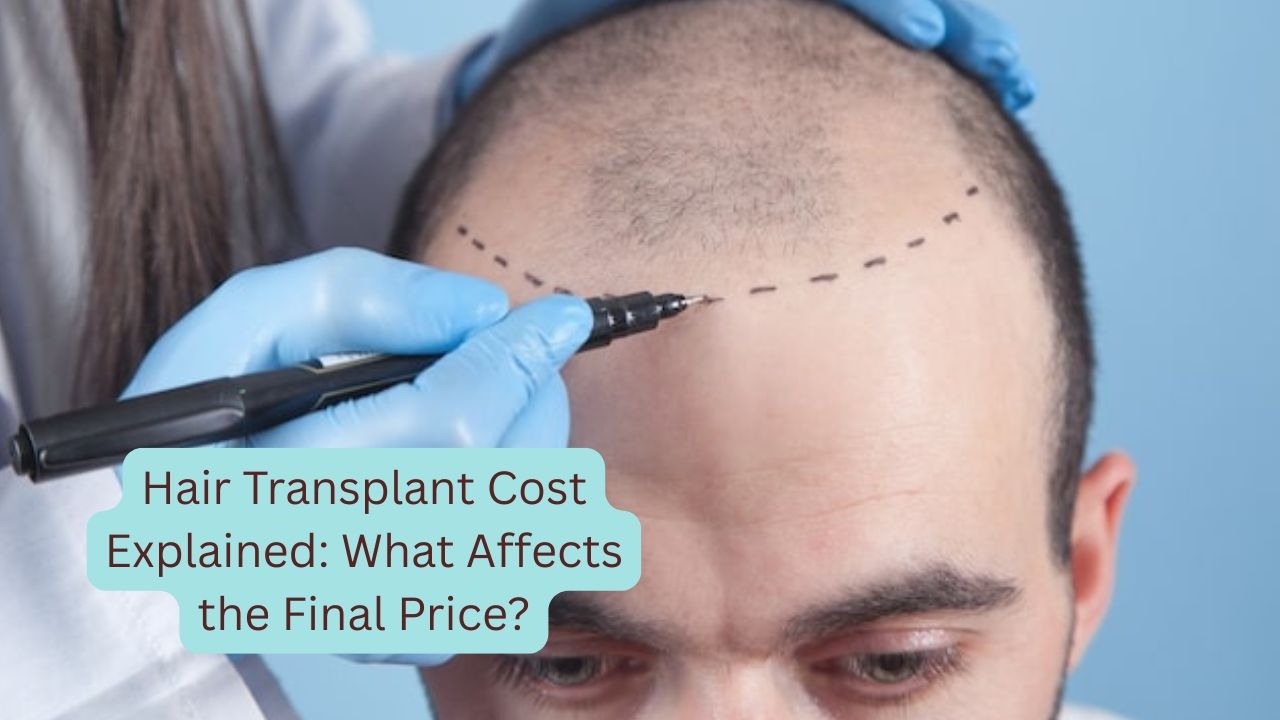
Hair loss affects millions of people worldwide and can influence confidence, appearance, and self-image. As modern hair restoration procedures become more advanced, many individuals are considering surgical treatment to restore fuller and natural-looking hair growth. One of the first questions patients usually ask is how much the procedure will cost and why prices vary so much between clinics. The answer depends on several important factors, including the treatment method, the number of grafts required, the surgeon's experience, and the clinic location. Understanding these details helps patients make informed decisions while setting realistic expectations before surgery. Learning how these elements influence Hair transplant cost also allows patients to compare procedures more carefully and understand the value behind different treatment options.
Understanding FUE and FUT Procedures
The two most common hair transplant methods are Follicular Unit Extraction (FUE) and Follicular Unit Transplantation (FUT). Both techniques involve moving healthy hair follicles from a donor area, usually the back of the scalp, to thinning or bald regions. However, the procedures differ in technique, recovery time, and pricing.
FUE is one of the most popular methods today because it is minimally invasive and leaves very small scars. During the procedure, individual follicles are extracted one by one using specialized tools before being implanted into the treatment area. Because this process requires precision and longer surgical time, it is generally more expensive. FUE hair transplant procedures generally cost between $5,000 and $20,000, with the final price largely depending on how many grafts are required to achieve the desired coverage. Many clinics also charge approximately $8 to $10 per graft for FUE treatments.
FUT, often referred to as the strip technique, involves taking a thin section of scalp from the donor region so the hair follicles can be carefully separated and transplanted into thinning areas. Hair follicles are then separated and implanted into the recipient area. This method can often provide a larger number of grafts in a single session and may be more affordable for some patients. FUT procedures usually range from $4,000 to $10,000, while graft pricing generally falls between $4 and $8 per graft.
How Graft Count Impacts Pricing
One of the most important factors affecting Hair transplant cost is the total number of grafts required. A graft may contain one to several hair follicles, and the amount needed depends on the severity of hair loss and the patient’s desired density.
Patients with mild thinning or a slightly receding hairline may only require 1,000 to 1,500 grafts. People experiencing moderate hair thinning often require around 2,000 to 3,000 grafts, while those with more significant hair loss may need 4,000 grafts or even more to achieve fuller coverage. Since many clinics calculate pricing based on graft count, larger procedures naturally increase the overall expense. Hair texture, scalp condition, and donor hair quality can also influence how many grafts are needed for natural-looking coverage. Patients seeking very dense results may require additional grafts compared to those who prefer lighter coverage.
Surgeon Experience and Clinic Standards
The skill and experience of the surgeon can significantly affect pricing. Experienced specialists often charge higher fees because they have advanced training, refined surgical techniques, and a strong understanding of natural hairline design.
Hair transplantation requires both medical precision and artistic judgment. Proper graft placement, angle control, and density planning all contribute to realistic results. Patients frequently choose experienced surgeons because poorly performed procedures may lead to visible scarring, unnatural hair growth patterns, or the need for corrective treatment later. Clinic quality also plays a role in pricing. Facilities that use advanced equipment, modern surgical tools, and trained medical teams often have higher operating costs. Some clinics, including BHHR in Palm Desert, focus on detailed consultations to help patients understand treatment planning, graft requirements, and realistic outcome expectations before surgery.
Additional Costs Patients Should Know
Many people focus only on the procedure itself, but there can be additional expenses associated with treatment. Consultation fees, blood tests, medications, recovery products, follow-up visits, and travel costs may all contribute to the final Hair transplant cost. The recovery period may also lead to extra indirect costs, especially for patients who need to take time off work or adjust their daily routine during healing. Some patients choose to take time away from work after surgery, especially following larger sessions. Understanding all potential costs beforehand helps patients create a more accurate financial plan.
Conclusion
Hair restoration procedures are highly personalized, which is why pricing can vary from one patient to another. Factors such as the procedure type, graft count, surgeon expertise, and clinic standards all influence the final investment. While lower prices may seem appealing, patients should focus on quality, safety, and long-term results when comparing treatment options. Understanding Hair transplant cost in detail allows individuals to make informed decisions while setting realistic expectations about both the procedure and the outcome. With modern advancements in hair restoration, patients today have access to safer techniques and more natural-looking results than ever before.

 Czech
Czech
 English
 Arabic
 French
 Spanish
 Portuguese
 Deutsch
 Turkish
 Dutch
Dutch
 Italiano
 Russian
 Portuguese (Brazil)
 Greek
Greek