


 About SPORTIVO Network
Plastic Waste Recycling Plant Investment in India
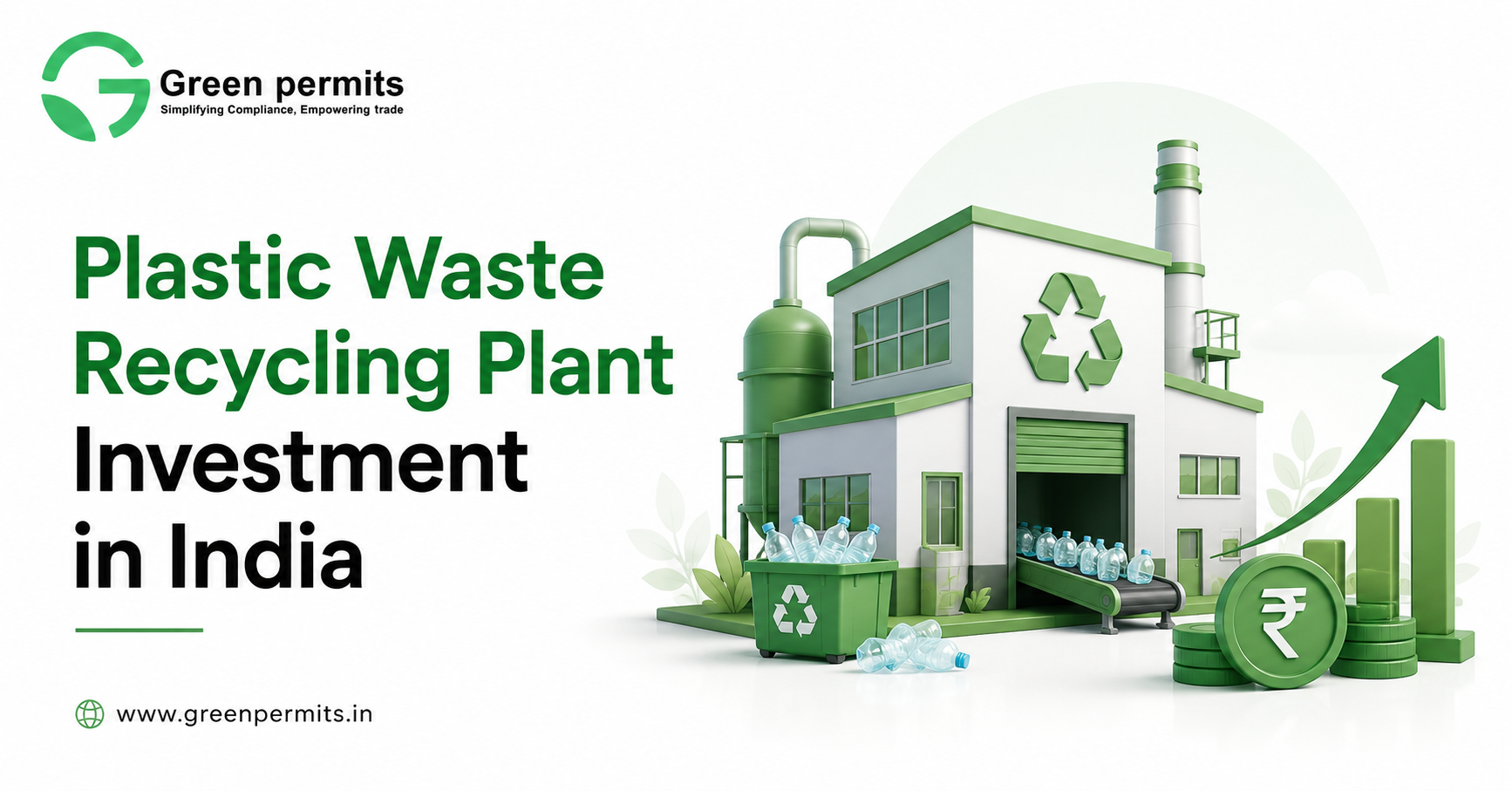
The plastic recycling industry has emerged as one of the fastest-growing sectors due to increasing plastic waste generation, stricter environmental regulations, and rising demand for recycled plastic materials. Businesses, entrepreneurs, and investors are actively exploring opportunities in plastic recycling as industries move towards sustainable manufacturing and circular economy practices.
Plastic waste recycling plants convert discarded plastic materials into reusable products such as flakes, granules, pellets, and recycled raw materials that can be used in various manufacturing industries. With growing government support and increasing EPR compliance requirements, the sector offers significant long-term growth opportunities.
Before entering this industry, understanding the investment requirements and major cost components is essential for effective project planning and financial management.
Why Invest in a Plastic Recycling Plant
The demand for recycled plastic products continues to increase across industries such as packaging, textiles, construction, automotive, agriculture, and consumer goods manufacturing.
Plastic recycling offers several advantages:
- Growing demand for recycled materials
- Availability of plastic waste as raw material
- Support from waste management regulations
- EPR-driven business opportunities
- Long-term sustainability benefits
As businesses increasingly adopt recycled content in manufacturing, the recycling industry is expected to witness substantial growth in the coming years.
Land Investment for Plastic Recycling Plant
Industrial land is one of the primary investment components for a recycling facility.
The plant generally requires space for:
- Plastic waste storage
- Segregation and sorting area
- Washing and processing units
- Finished product storage
- Utility and operational infrastructure
Land requirements vary depending on plant capacity, machinery setup, and production scale.
Businesses should select industrial zones that comply with environmental regulations and offer adequate infrastructure support.
Machinery Investment
Machinery represents a major portion of the overall project investment.
The equipment generally required includes:
- Plastic shredders
- Crushers and granulators
- Washing systems
- Drying units
- Extruders
- Pelletizing machines
- Material handling systems
The machinery cost depends on:
- Production capacity
- Type of plastic processed
- Automation level
- Product quality requirements
Investing in efficient machinery can improve productivity and reduce operational costs over the long term.
Infrastructure and Utility Investment
A plastic recycling plant also requires supporting infrastructure and utility systems.
Major infrastructure investments include:
- Factory building and civil construction
- Electrical systems
- Water supply infrastructure
- Storage facilities
- Internal roads and material movement systems
Businesses must also install utility systems capable of supporting continuous industrial operations.
Proper infrastructure planning helps improve operational efficiency and plant productivity.
Environmental Compliance Investment
Plastic recycling plants are required to comply with environmental regulations before starting operations.
Businesses generally need investment for:
- Consent to Establish (CTE)
- Consent to Operate (CTO)
- Plastic Waste Processor Registration
- Pollution control systems
- Wastewater treatment facilities
- Environmental monitoring infrastructure
Compliance-related investments are essential for obtaining approvals and maintaining smooth operations.
Working Capital Requirement
In addition to project setup costs, businesses should allocate sufficient working capital for daily operations.
Working capital generally covers:
- Plastic waste procurement
- Labor expenses
- Electricity consumption
- Water charges
- Transportation costs
- Machinery maintenance
- Packaging and storage expenses
Adequate working capital helps ensure uninterrupted production and efficient business management.
Market Potential for Plastic Recycling Business
The market for recycled plastic materials is expanding rapidly due to increasing sustainability initiatives and regulatory requirements.
Recycled plastic products are widely used in:
- Packaging industries
- Construction materials
- Automotive components
- Textile manufacturing
- Consumer products
- Agricultural applications
Many industries are now actively sourcing recycled materials to meet sustainability goals and EPR obligations.
This growing demand creates strong business opportunities for recycling plant operators.
Factors That Influence Investment
Several factors influence the total investment required for a plastic recycling plant.
These include:
- Plant capacity
- Land location
- Machinery selection
- Product type
- Automation level
- Compliance requirements
- Infrastructure development
Businesses should conduct a proper feasibility study and DPR before making investment decisions.
A well-planned project helps optimize costs and improve long-term profitability.
Learn the Complete Plastic Recycling Plant Setup Process
Planning to invest in a plastic recycling plant in India? Understanding land requirements, machinery selection, environmental approvals, compliance obligations, and project planning is essential before moving forward.
Read the complete guide here:
👉 https://www.greenpermits.in/05/recycling-plant-setup-in-india-complete-guide/
📞 Get Expert Assistance for Plastic Recycling Plant Setup
Need assistance with DPR preparation, investment planning, machinery selection, environmental approvals, Plastic Waste Processor Registration, or complete plant setup? The experts at Green Permits Consulting can guide you throughout the entire process.
🌐 Website: https://www.greenpermits.in
📞 Phone: +91 78350 06182
📧 Email: wecare@greenpermits.in

 Czech
Czech
 English
 Arabic
 French
 Spanish
 Portuguese
 Deutsch
 Turkish
 Dutch
Dutch
 Italiano
 Russian
 Romaian
 Greek
Greek